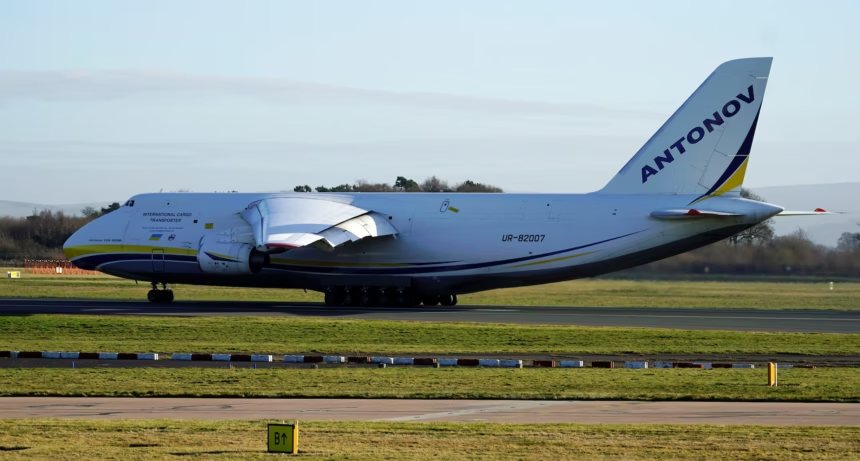
In recent weeks, Airbus and Boeing have used the Antonov An-124 to carry critical components and prevent disruption to their production schedules. While the aerospace supply chain remains under pressure, manufacturers are resorting to faster transport methods to offset production delays.
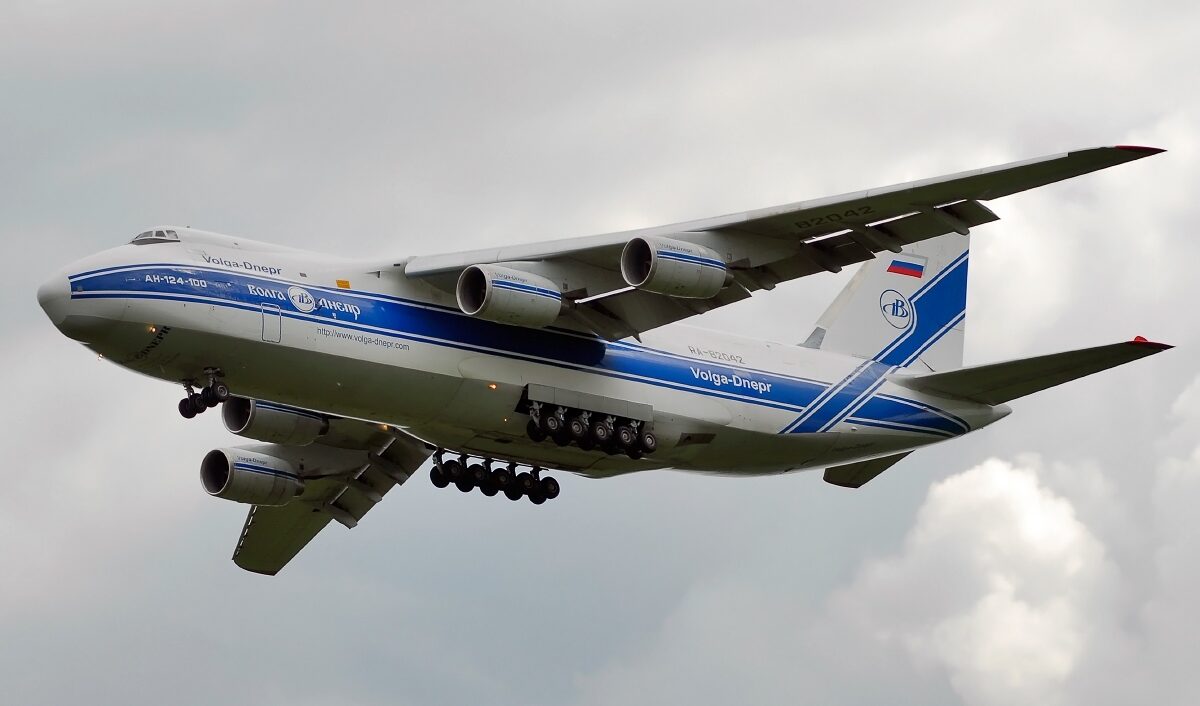
Antonov An-124 Supports Critical Parts Deliveries
As one of the world’s largest cargo aircraft, the Antonov An-124 is being used to move oversized aircraft structures that would typically be transported by sea or road. The aircraft has been deployed to move components for the Airbus A350 and Boeing’s 767 and 777 freighter programmes. This comes as manufacturers work to avoid costly delays.
Usually, manufacturers rely on established logistics networks or inventory reserves to ship aircraft parts, whereas airlifting major aircraft sections is significantly more expensive and generally reserved for urgent situations.
A Boeing spokesperson said it uses:
“a variety of transportation methods to maintain stability in our production,” but avoided commenting directly on the An-124 operations.
Airbus also acknowledged that:
“we sometimes use the Antonov,” without specifying whether it was used to transport A350 components.
Regulatory filings reveal Boeing sought approval in late June to make use of the An-124. During this time, the manufacturer transported two upper fuselage sections from a Daher Aerospace facility in Florida to its Everett, Washington, production site. In the filing, Boeing stated the components were:
“urgently required for the production of the 767,” adding that, “those delays would impose a significant economic cost if not avoided.”
Although the Boeing 767 is no longer produced as a passenger aircraft, it remains in service as the basis for commercial freighters and military aerial refuelling tankers.
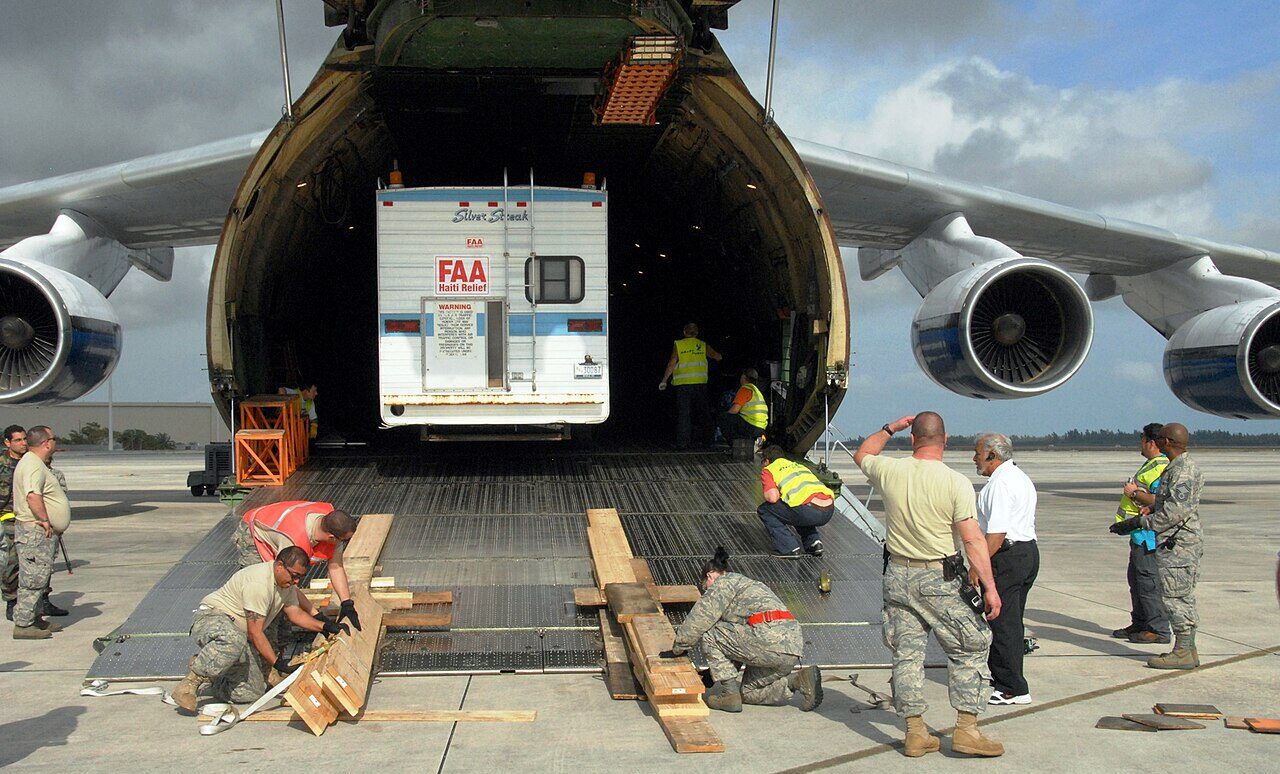
Supply Chain Challenges Continue for Airbus
Airbus has also faced supply chain pressures affecting its A350 programme. Reuters said the company’s decision to transport components by air reflects challenges at its Kinston facility, in North Carolina. This site was acquired from Spirit AeroSystems on Dec. 8, 2025, as part of a broader agreement involving Boeing.
The facility previously maintained inventory reserves that allowed components to be transported by sea. Insider sources indicate that faster transportation methods, such as the An-124, are being used to prevent further delays in production schedules.
“Regarding Kinston, we are making progress towards separation from the previous owner and integration into the Airbus landscape. However it remains a complex multi-year journey to complete,” an Airbus spokesperson said.
Airbus has previously warned some customers of delays affecting A350 deliveries later this decade. Supply chain issues have been cited as a major contributing factor to the revised timelines. Although the aerospace industry has largely recovered from pandemic-era disruptions, challenges involving suppliers and aircraft components continue to affect manufacturers worldwide.
Will supply chain challenges continue to affect aircraft deliveries in the years ahead? Share your predictions below.