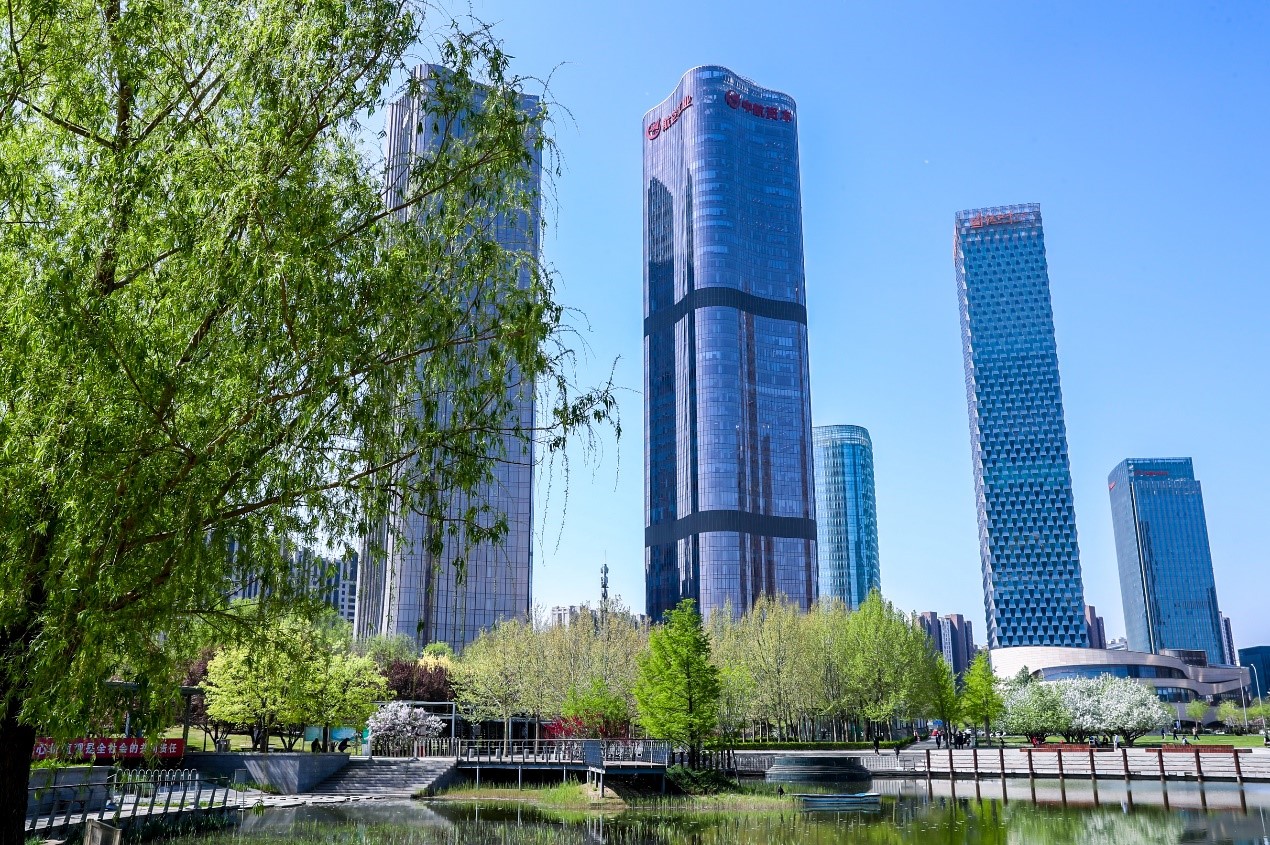
Authorities have confirmed the identity of the pilot who collided with the China International Trust and Investment Corporation (CITIC) Tower in Beijing Friday June 26. The Chaoyang district government has told reporters that the pilot was a 66-year-old man with the surname Liu, who held a private pilot license. They have also stated that the crash occurred purely due to “personal reasons” relating to Liu’s mental health.
What Do the Authorities Say Happened?
The Chaoyang district government, which is responsible for much of the City’s financial sector, including the CITIC tower, released a statement about the incident Thursday, July 2.
The statement said that:
“During his solo flight, he (Liu) deviated from the designated area and lost contact with the airport, subsequently colliding with the high-rise building and dying at the scene.”
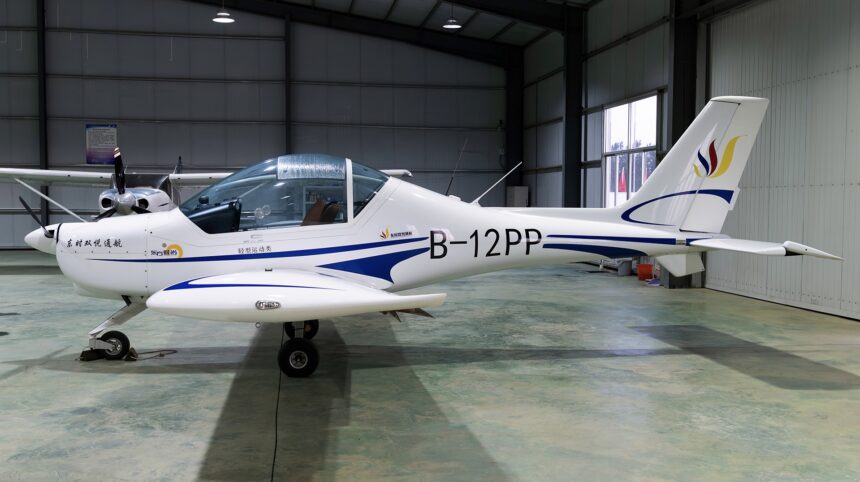
The district government also confirmed that the aircraft’s registration was B-12 PP, and that Liu had taken off from Beijing’s Pinggu district to the Northeast of the city.
There was no confirmation however, of whether the flight had been approved by the Air Traffic Administration Bureau (ATAB) in Beijing the day before take-off, as is required under Chinese law.
How Was This Allowed to Happen?
The statement went on to detail Liu’s troubled personal background, saying that access to his medical records and personal diary had revealed that he was suffering from insomnia and anxiety.
The district government also said that Liu had made “multiple expressions of ending his own life” in his diary, before concluding that:
“This was a case of endangering public safety caused by personal reasons.”
Liu reportedly first obtained a sports pilot license in 2021, before having that upgraded to a private pilot license in 2024.
To qualify for a private license, Chinese pilots must pass a series of health examinations, including a psychiatric assessment, which must be retaken every two years.
It is unclear exactly when Liu’s most recent psychiatric assessment was conducted, or if he had begun to contemplate taking his own life before this point.
What Should Be Learnt from the Crash?
The Chinese government has been criticised for its slow response to the incident, in which 13 people were injured, after failing to acknowledge the crash until the day after it occurred.
In the hours following the crash almost all photos of the CITIC tower were taken down from state regulated social media platforms, even those unrelated to the crash.
Questions have also been raised regarding the effectiveness of China’s aviation regulations, which are some of the strictest in the world.
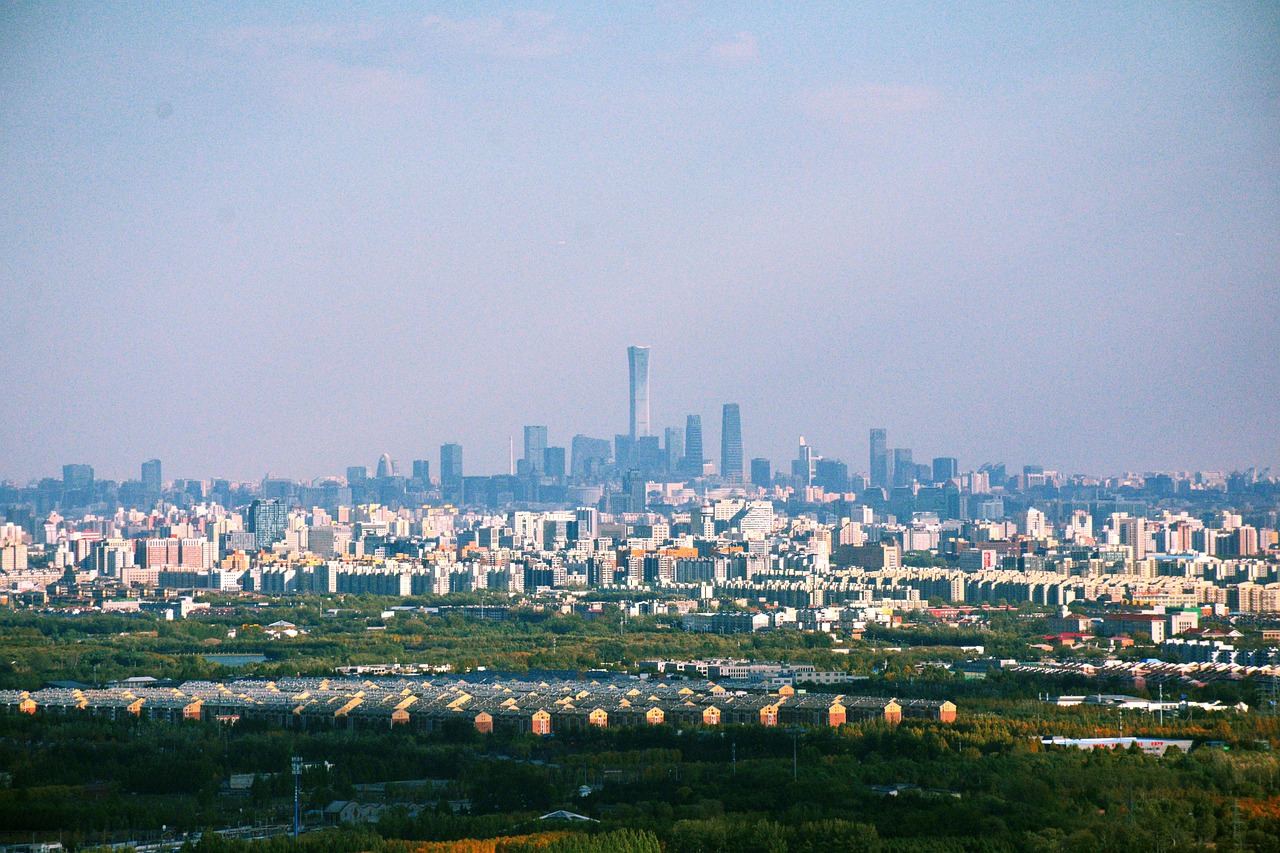
Most of Beijing, including the Chaoyang district, operates under a strict no-fly zone, meaning emergency services should have been alerted to B-12 PP’s movements long before it collided with the CITIC tower.
Has the Chinese government handled the incident well? Do pilot licensing laws need to be reviewed? Let us know your thoughts in the comments.