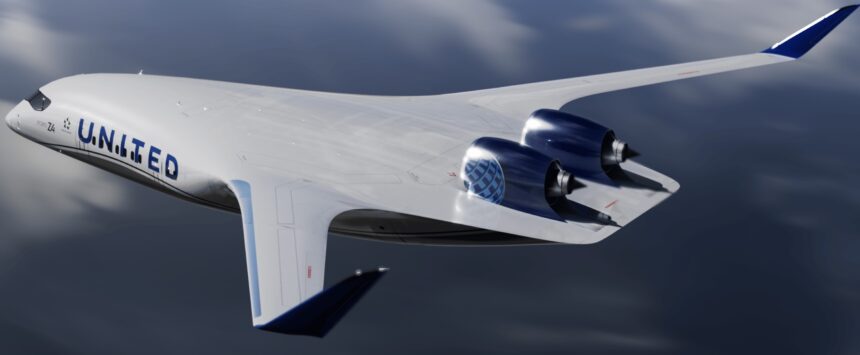
Aerospace start-up JetZero have begun construction on what it hopes will be the first Blended Wing Body (BWB) aircraft to be made commercially available. It is hoped that BWB technology could reduce fuel consumption by up to 50% per passenger. JetZero believe its prototype will be ready for a demonstration flight by the end of 2027.
What is BWB Technology?
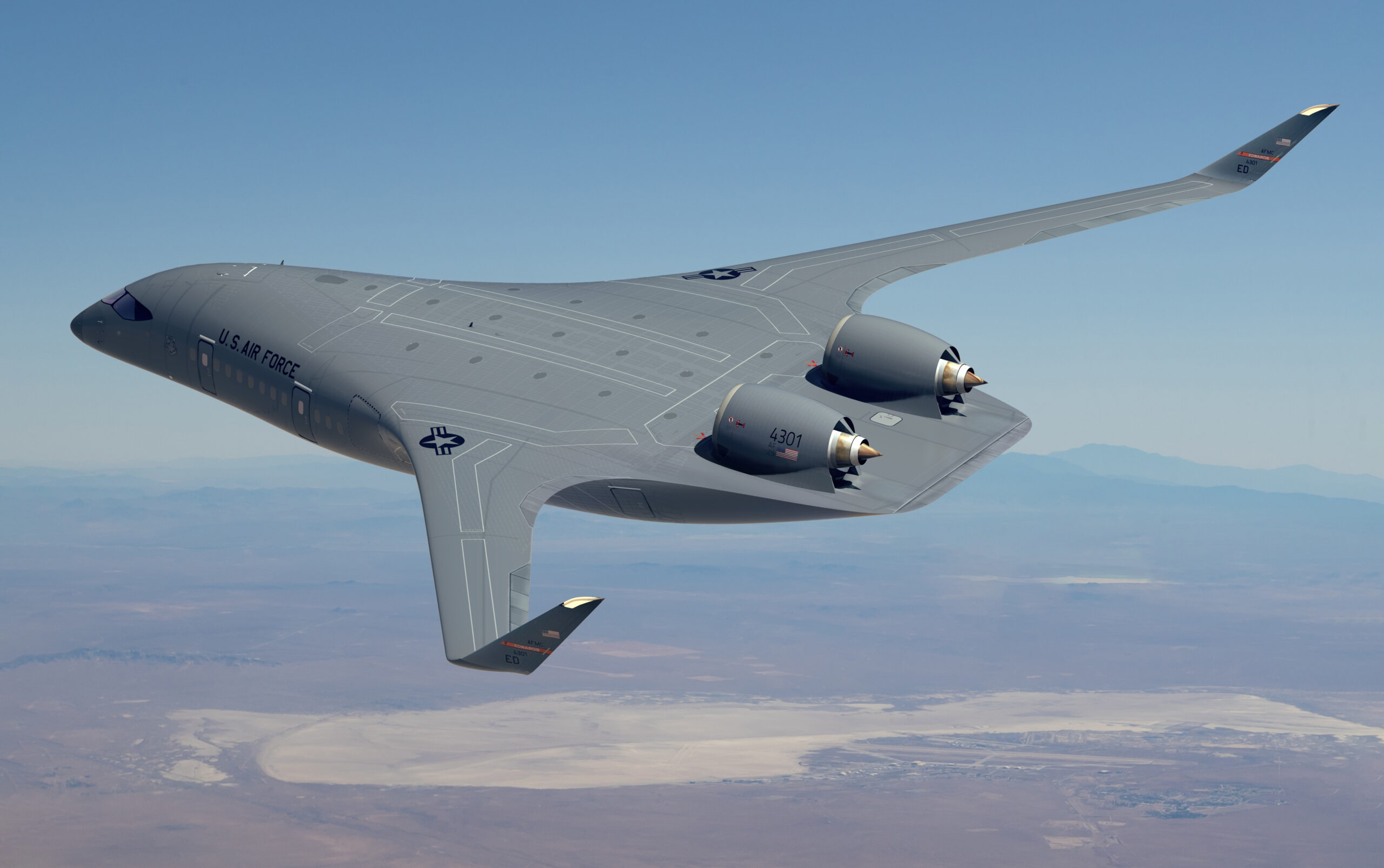
A BWB aircraft integrates the wings of a plane with its fuselage, creating a single continuous surface. This is in contrast to traditional plane designs, where the wings and fuselage only connect at one point.
This single surface will maximise the uplift a plane receives while in flight, reducing drag, and therefore the rate of fuel consumption the plane requires to remain in the air.
JetZero’s CEO Tom O’Leary said that:
“Nobody’s ever done this before”
He also stated that his company hopes to have a functional prototype ready for testing by the end of next year.
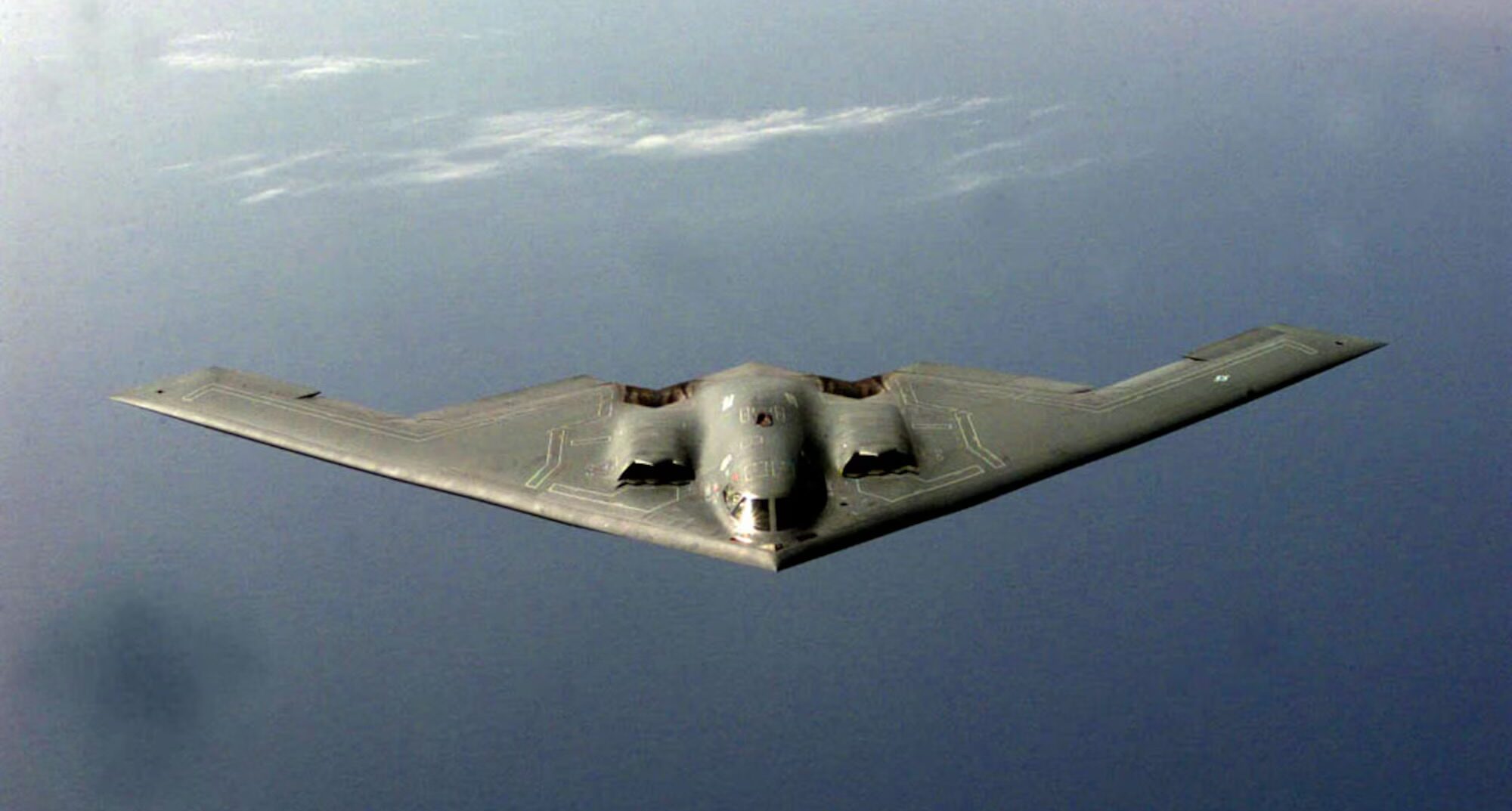
BWB technology has previously been used by the U.S. Air Force’s Northrop B-2 Spirit Bomber, which was in production between 1989 and 2000.
Both market leading plane manufacturers, Boeing and Airbus, have reportedly explored BWB designs. These have been abandoned however, due to the difficulty in providing passengers with natural light that BWB designs create, and their incompatibility with some major airports.
What is JetZero?
JetZero was founded by O’Leary and aerodynamicist Mark Page in 2021, with both founders having remained with the company ever since.
The company initially received funding from the U.S. Air Force and NASA, and are based in Long Beach, California.
The BWB project has also received support from leading United Airlines and Alaska Airlines, with both airlines being officially listed as strategic partners.
It is believed that this involves supplying JetZero with technical support during both the design and flight evaluation stages of the aircraft’s development.
There has been no confirmation if this involvement in the development process is linked to any provisional fleet orders, once the aircraft is commercially available.
How Could BWB Change Aviation?
Despite JetZero’s optimism regarding the date of its prototype’s first demonstration flight, it will likely be several years before any BWB aircraft is commercially available.
This is due to the rigorous safety testing all aircraft designs need to pass, along with the vast quantity of raw materials a manufacturer needs to produce planes at a commercially viable scale.
If JetZero can successfully bring BWB technology into widespread use however, it will undercut the duopoly that Boeing and Airbus have enjoyed in the aircraft manufacturing market since the 1990s.
Lower fuel costs will likely attract major airlines to BWB aircraft, while improved efficiency will allow these aircraft to better adapt to increasingly strict environmental regulations.
Would you be excited about flying on a BWB plane? Can JetZero challenge Boeing and Airbus? Let us know in the comments.