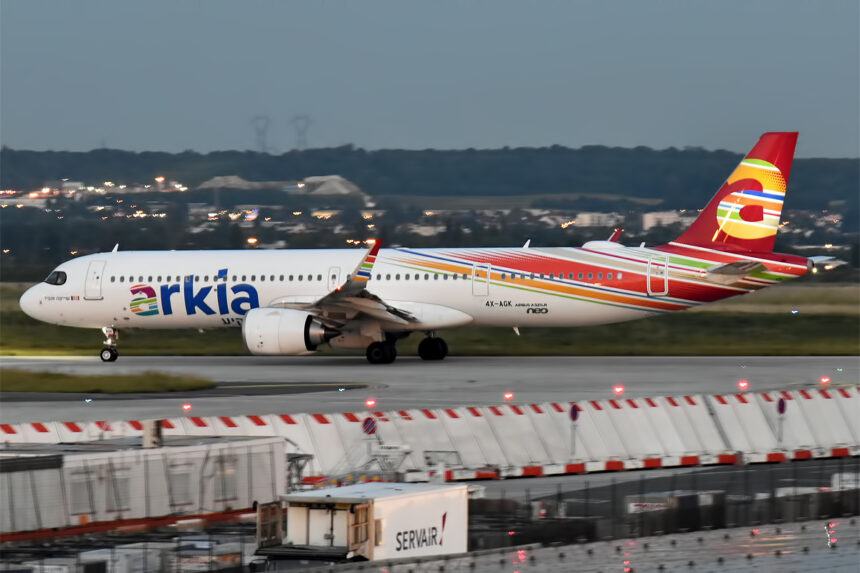
Arkia Israeli Airlines Ltd. signed a dry-lease agreement with AerCap for two Airbus A321-200s to be added to its fleet, which will be its first units of the type. This agreement will help Arkia build a unified fleet while lowering costs and boosting seat capacity.
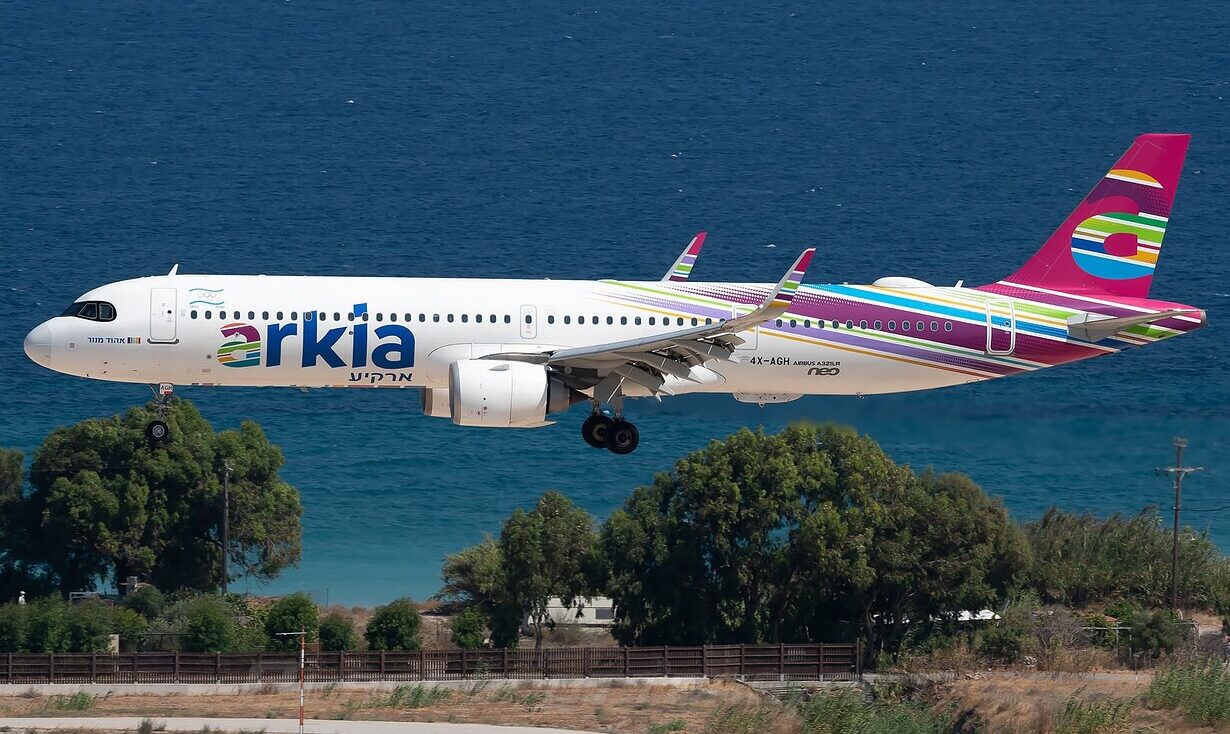
What is Arkia?
Arkia Israeli Airlines Ltd. is Israel’s second-largest airline, founded in 1949 and based at Ben Gurion Airport (TLV) in Tel Aviv. It provides domestic flights and international scheduled and charter services to over 40 destinations across Europe, Africa, and Asia.
Arkia Israeli Airlines operates a main in-house fleet of 7 active core aircraft, which expands to around 10 to 20 total planes when accounting for various seasonal short-term wet-leases and dry-leases.
According to fleet data, Arkia currently has:
- Three Airbus A320-200s (Used primarily for short-to-medium-haul European routes).
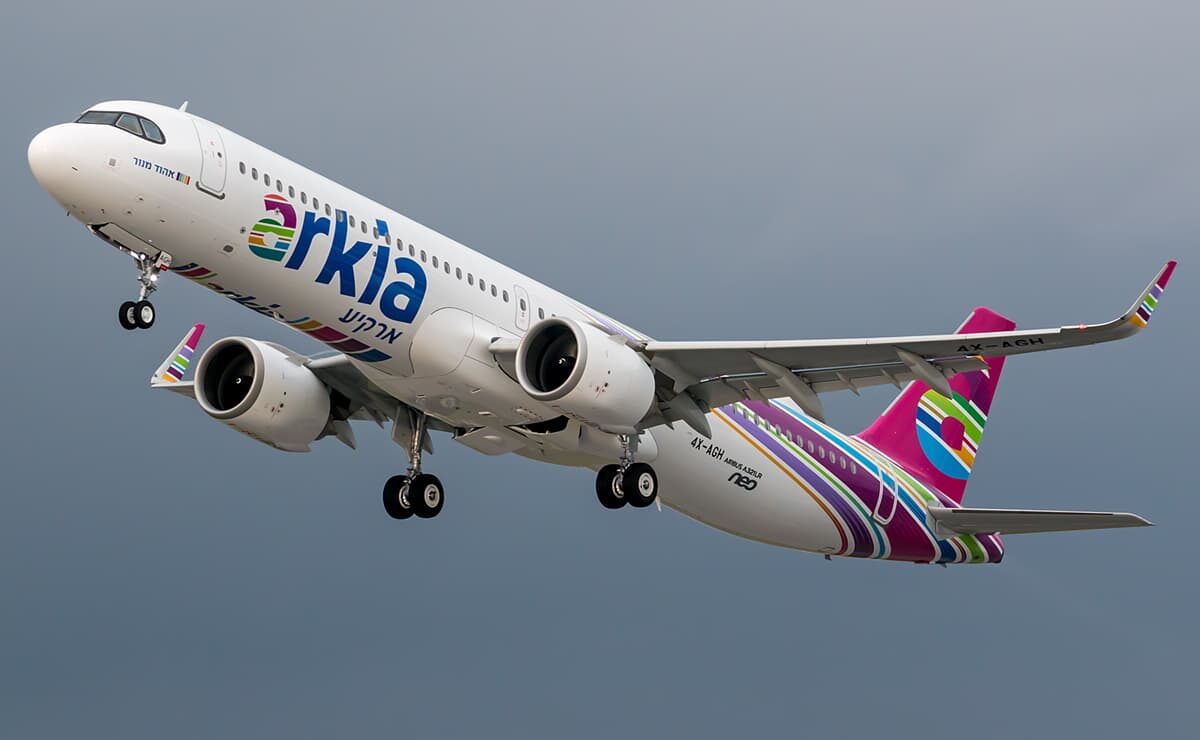
- Two Airbus A321neo LR (Long-range narrowbody aircraft serving long-haul flights and premium routes).
- Two Embraer E195s (Regional jets utilised for domestic routes to Eilat and short regional international flights).
As well as these, Arkia has signed an agreement with lessor AerCap to add two traditional Airbus A321-200 aircraft to its permanent in-house fleet, with deliveries scheduled for 2027.
Dry-Lease Agreement
A dry lease is an aviation agreement where an aircraft owner (lessor) rents out only the physical aircraft to an airline or operator (lessee). The renter assumes total responsibility for supplying the crew, maintenance, insurance, and all operational management under their own operating certificate. Dry leasing is cheaper than a wet lease, as Arkia already has trained staff, so it saves money by not paying extra for services they can handle themselves.
Arkia uses its own pilots and cabin crew from Latitude 33 Aviation, a private jet charter and management company. This gives them total control over customer service and flight schedules while making pilot training and plane maintenance easier and cheaper. This fleet expansion will help the airline transition to a single, unified Airbus fleet.
What are your thoughts on this dry-lease agreement? Let us know in the comments below!