A rise in bad behaviour aboard budget flights has caused Ryanair boss to call for a ban on alcohol consumption in airports before early morning departures. The ban would aim to put a stop to drunken disruptions while flying.
A Morning Booze Ban
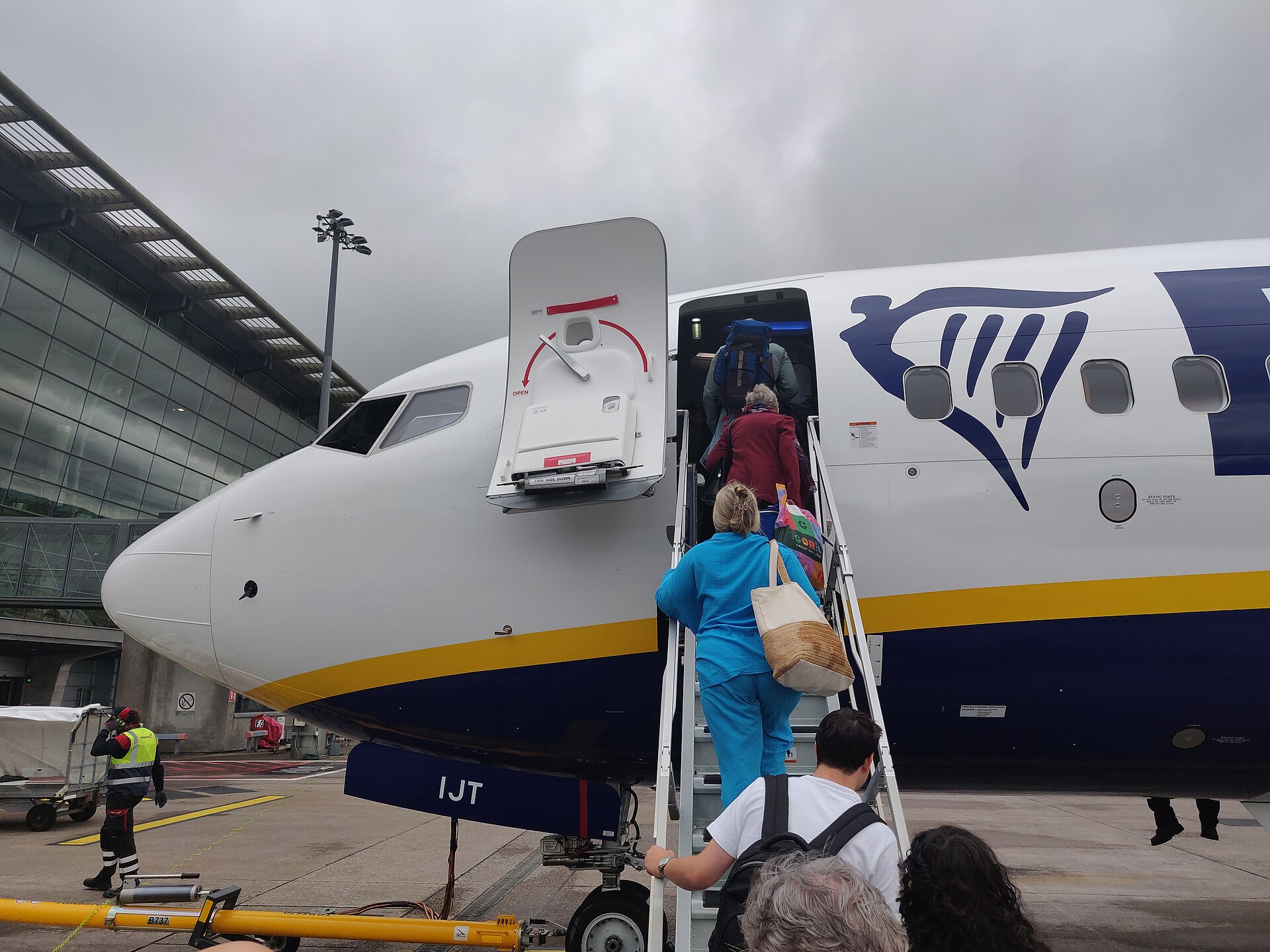
The Group CEO of British based budget airline Ryanair, Michael O’Leary, has expressed the belief that alcohol should not be consumed before early morning flights, after observing an increase in antisocial behaviour aboard flights. O’Leary said that his airline was finding itself increasingly often in the position of being forced to reroute flights, claiming that an average of nearly one Ryanair flight a day is diverted because of bad behaviour onboard. This is a solid increase from the rate of passenger disruption 10 years ago according to O’Leary, which was one diversion on account of antisocial actions per week.
Speaking in an interview with The Times, O’Leary emphasised his frustration, stating:
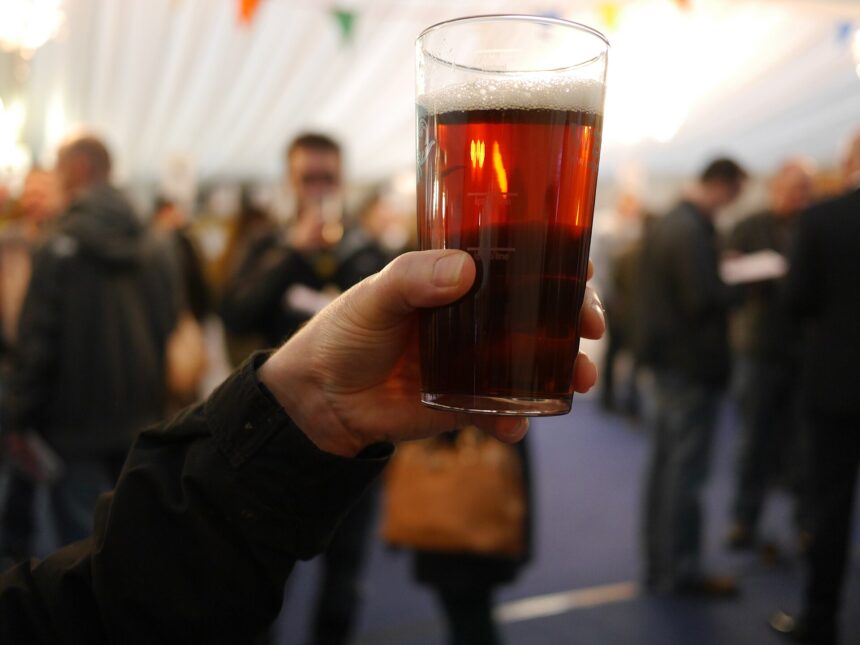
“It’s becoming a real challenge for all airlines. I fail to understand why anybody in airport bars is serving people at five or six o’clock in the morning. Who needs to be drinking beer at that time?”
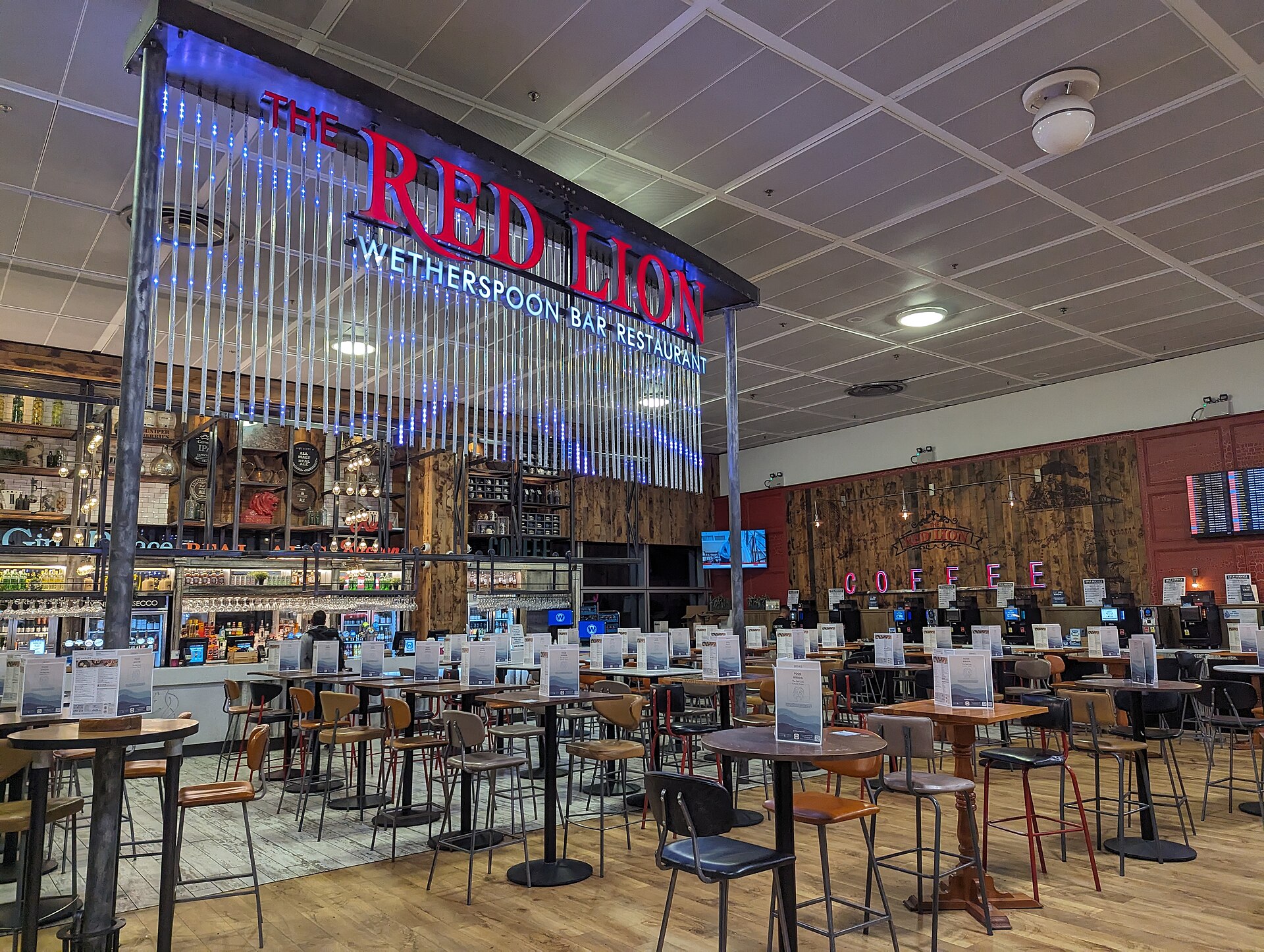
In the UK, airport bars are not required to adhere to restrictions that other venues, including pubs, are obligated to follow regarding opening and serving times. The Wetherspoons chain, for example, has a Wetherspoons branch in almost every airport in the UK, all of which open very early, between 3 a.m. and 4 a.m.. While these branches serve a range of food and beverages, they are best known – and most popular – for serving alcohol from their early opening time.
O’Leary asserted that, in his opinion, there should be no airports serving alcohol outside the hours that other venues are constrained to operate within. He also acknowledged that, while some establishments are responsible when providing alcohol to customers, others are not, and the main issue emerges when people are frustrated by delays and drink to pass the time.
He commented:
“We are reasonably responsible, but the ones who are not responsible, the ones who are profiteering off it, are the airports who have these bars open at five or six o’clock in the morning and during delays are quite happy to send these people as much alcohol as they want because they know they’re going to export the problem to the airlines.”
Highlighting that Ryanair rarely serve more than two drinks to a passenger in the duration of a flight, O’Leary called for airports to introduce a two-drink limit as well in order to reduce antisocial behaviour induced by alcohol aboard flights.
Unique Effects When Flying
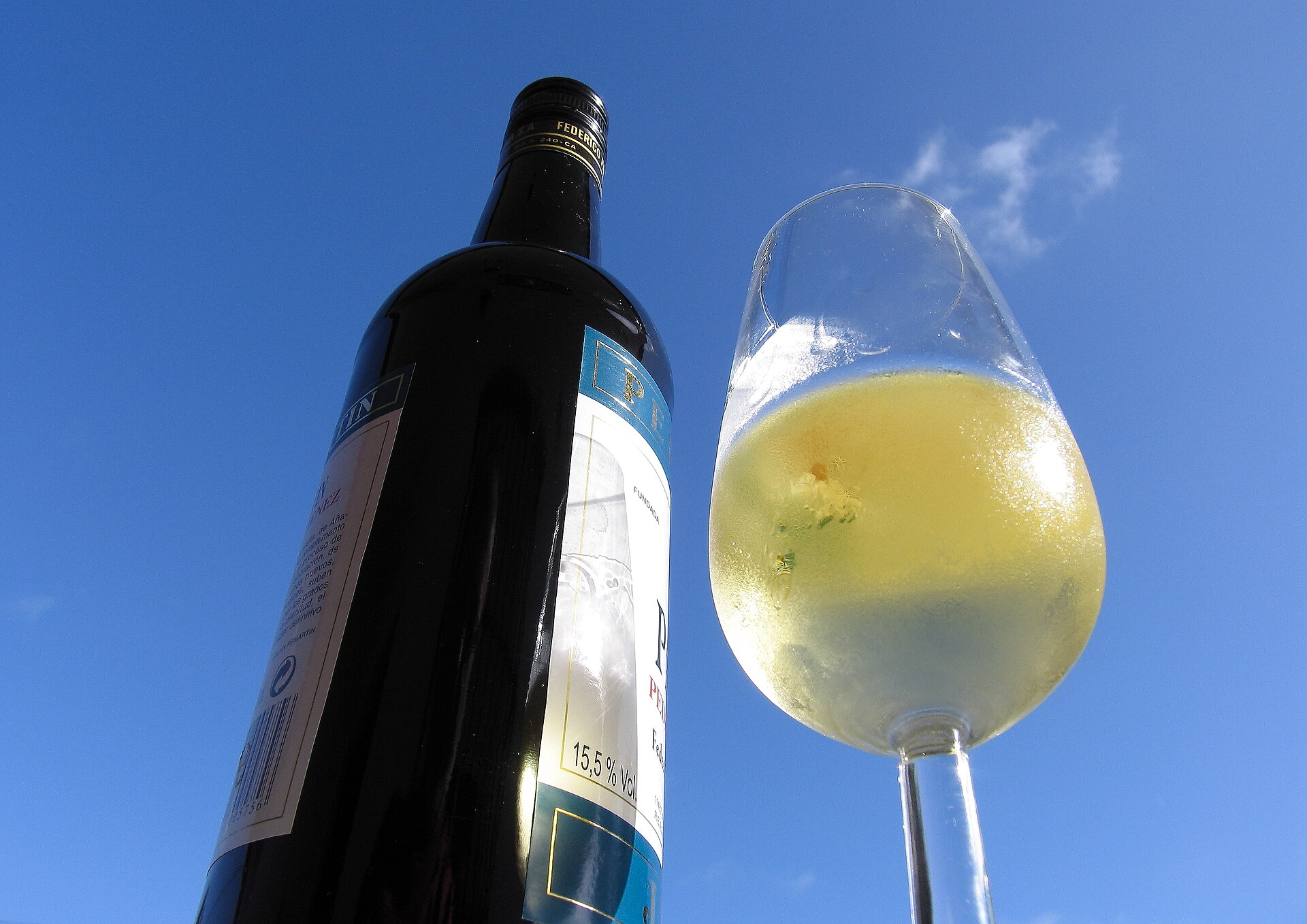
Although 1 in 10 British people confess to getting drunk on or before a flight according to insurance company Go Compare, there is minimal knowledge as to the impact that alcohol has on the body when flying. A study published in 2024 by the Institute of Aerospace Medicine found that the intoxicating effect is sped up while on a flight, as the body absorbs alcohol more quickly. This, combined with the high altitude, can cause chest pain, shortness of breath, and/or severe dizziness.
There are several other unique bodily responses to being drunk on a plane. For example, a person is much more likely to become very dehydrated; the low humidity inside a plane already causes dehydration, which is only exacerbated when drinking alcohol, a diuretic that causes the body to lose fluids. This dehydration, alongside long period of sitting, can increase the risk of blood clotting and deep vein thrombosis, especially if reacting to any medication taken. Additionally, the impacts of cabin pressure, and long haul travel in particular, blended with drinking alcohol and subsequently falling asleep can increase strain on the heart.
Inebriated and In Trouble
Approximately 40% of those getting drunk on flights are blissfully unaware that doing so is a criminal offence under the Air Navigation Order, and can be punished by a fine of up to £5,000 and two years imprisonment. This trend of binge drinking on or before flights can be seen as contributing to the rise in disruptive incidents that O’Leary refers to, with roughly 17% of passengers witnessing poor behaviour and disruption from intoxicated passengers.
In January last year, Ryanair announced that it was taking legal action against disruptive passengers who had caused a flight to be diverted, aiming to recover losses. It claimed to have filed legal proceedings against a passenger in Ireland in relation to a flight from Dublin to Lanzarote, looking to attain €15,000 (£12,500) in damages.
Another British based budget airline, Jet2, called for a national database to be introduced after dealing with an increasing number of disruptive incidents as a result of alcohol consumption, which would allow airlines to work collaboratively to ban unruly passengers and deter people from following their example.
The suggested ban is likely to be quite controversial in the UK, given the normalised drinking culture that has resulted in such a high number of British people admitting to being intoxicated on flights, and at least one Wetherspoons branch in every airport. However normalised alcohol consumption is in Britain, the reality remains that drinking before or during a flight is not healthy for the body. Regardless of its potential unpopularity, O’Leary’s proposed ban would be targeted at preventing serious drunken incidents and disruptions aboard flights, which have risen in recent years.
Do you agree with a morning drinking ban? Let us know in the comments down below.