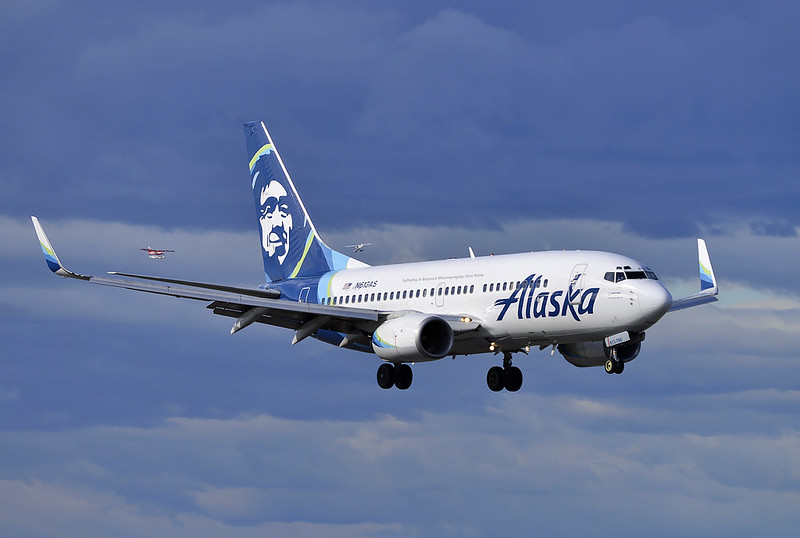
Alaska Air Group said on Oct. 30 that it will eliminate around 200 non-contract positions as higher fuel costs and geopolitical instability place pressure on its finances. Chief Executive Ben Minicucci warned that the airline could lose up to $700 million this year if current conditions persist.
Which Jobs Are Affected?
A company spokesperson said the layoff affects less than 1% of Alaska Airlines’ roughly 32,500 employees, including 125 roles in Washington state and 48 in Hawaii. No frontline, non-management positions are being cut.
Affected employees will work their final day on Nov. 13, but will continue to receive pay through Dec. 31, along with severance and other support. Minicucci told employees the company must return to what he described as its long-standing financial discipline and competitive advantage. He added that overhead expenses had grown faster than revenue over the past few years.
Fuel Costs Outweigh Revenue Gains
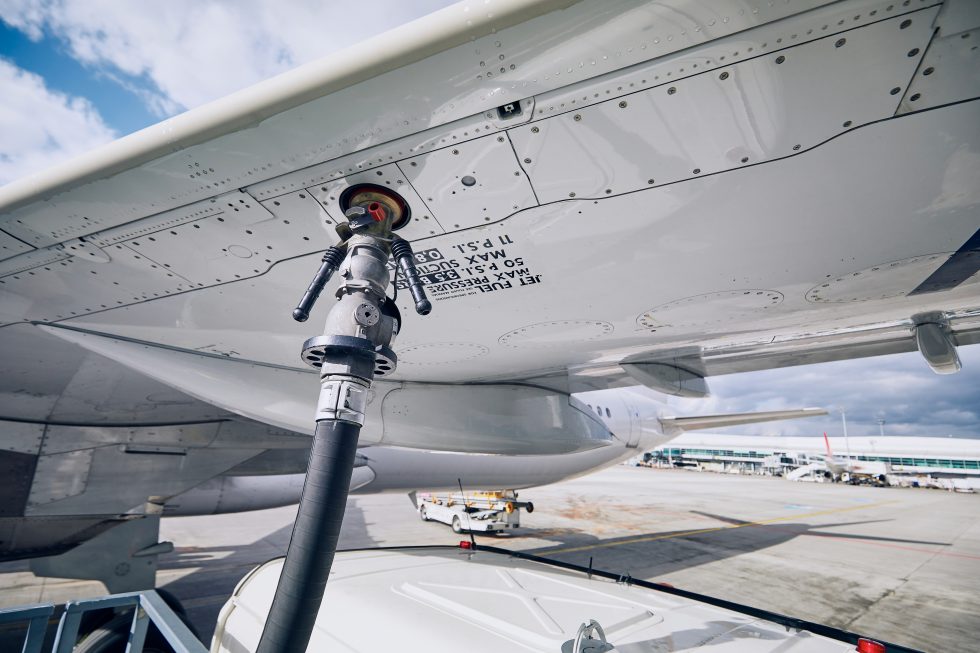
Alaska Air forecast a full-year adjusted loss of $5 to $5.50 per share last week, citing $1.8 billion in additional fuel costs compared with its original plan. It expects fourth-quarter fuel prices of $4.65 to $4.85 per gallon, nearly double the $2.50 assumed in its initial 2026 plan.
Third-quarter revenue rose 14% from the previous year, but adjusted pretax margin fell to 1.1%, down from 4.6%. A loss of up to $700 million would be Alaska Air’s first adjusted pretax loss outside the pandemic since 2003.
U.S. airfares rose an average of nearly 23% over the seven months through September, according to Labor Department data.
Delta Air Lines, American Airlines and Southwest Airlines have all cut their 2026 earnings forecasts.
The fuel-price shock attributed to the Iran war has already prompted U.S. carriers to raise fares and scale back planned capacity growth.
The Seattle-based carrier is investing in premium cabins, loyalty programmes and international routes following its acquisition of Hawaiian Airlines, and plans to expand its long-haul network from Seattle. Minicucci said Alaska Air will continue to invest in its fleet, customer experience and network while tightening spending to relieve financial pressure.
What impact do you think rising fuel costs will have on airfares and flights over the next year? Share your thoughts in the comments below.