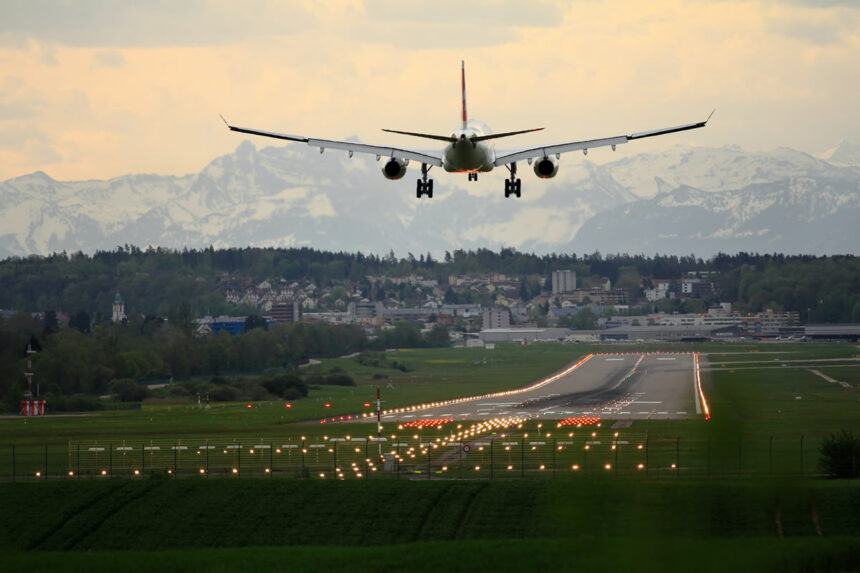
Flights to popular holiday destinations will face higher charges from April 2027 as the UK government increases Air Passenger Duty (APD) rates. All APD bands will be affected, likely resulting in higher ticket prices for passengers departing UK airports and putting additional pressure on airlines.
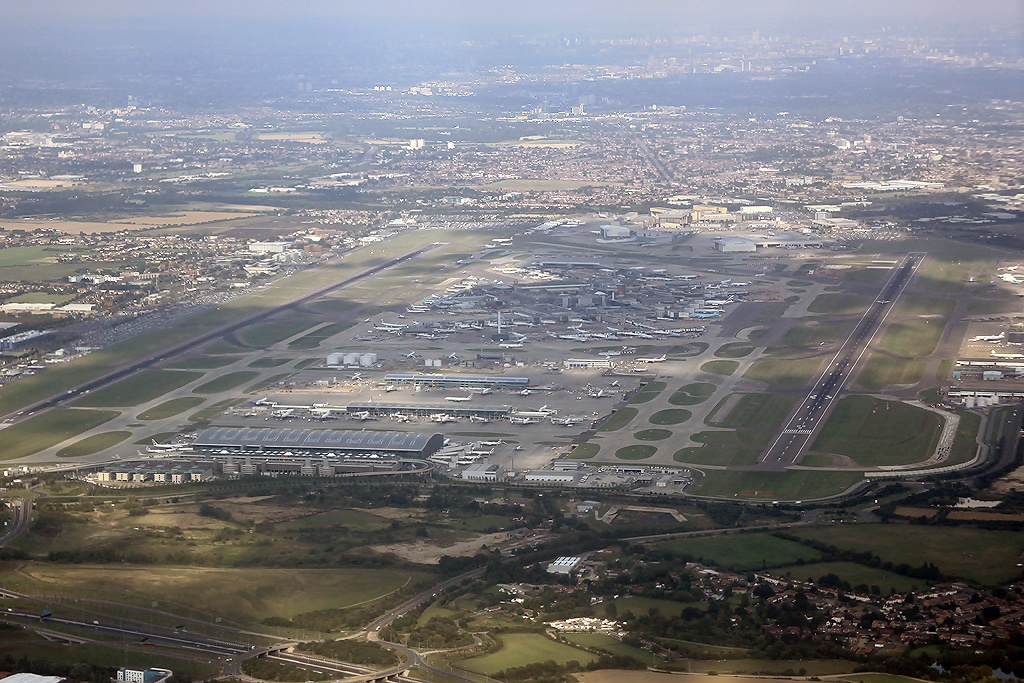
UK Government To Increase APD Rates
The UK government will increase all Air Passenger Duty (APD) rates from April. 1, 2027, HM Revenue and Customs (HMRC) has confirmed. Rates will increase next April due to inflation and will rise again in April 2028 in line with the Retail Prices Index (RPI).
APD is a tax paid by airline operators to HMRC for each passenger departing from a UK airport. The amount paid depends on several factors such as flight length, class of travel, and age of passenger, and applies to both domestic and international journeys to those aged 16 or over.
Although the bill for APD is footed by airlines, the cost is typically passed on through ticket prices. The UK already has some of the highest departure taxes in the world, and, if the bill is introduced, UK passengers should expect a raise to fares.
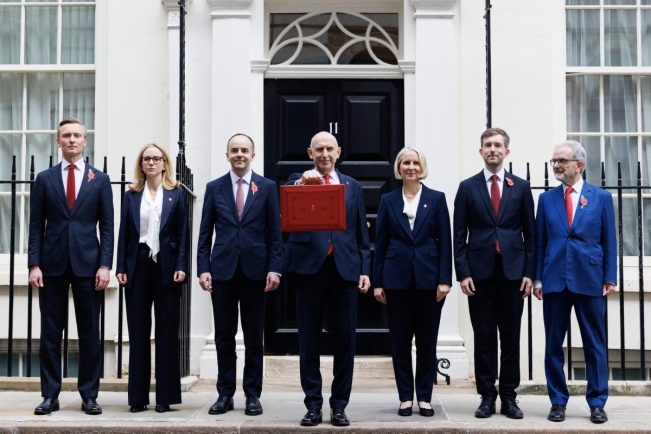
The announcement was made during Chancellor John Healey’s Budget on Oct. 28, alongside plans for a potential tariff on imported jet fuel. If enacted, this would put further pressure on airlines operating within the UK, and likely impact ticket prices.
How Are APD Rates Calculated?
APD rate is determined by two main factors: class of travel and distance band.
Classes of travel (based on seat pitch):
- Reduced rate – seat pitches under 1.016 metres, or 40 inches.
- Standard rate – seat pitches over 1.016 metres, or 40 inches.
- Higher rate – aircraft over 20 tonnes equipped to carry fewer than 19 passengers.
Upgrades or additional services that provide enhanced comfort can also affect the applicable rate.
Distance bands (based on distance from London to the destination’s capital):
- Band A – 0 to 2000 miles (Europe and most of North Africa)
- Band B – 2,001–5,500 miles (U.S., Canada, China, Bahamas, India)
- Band C – over 5,500 miles (Thailand, Australia, New Zealand)

How Much Are APD Rates Actually Going Up By?
HMRC has confirmed the following APD rates, calculated by the above considerations.
Domestic flights will face a £8.26 charge for the reduced rate, £16.52 for the standard rate, and £146.63 for the higher rate. This is an increase of 26p to the reduced rate, 52p to the standard rate, and an increase of £4.63 to the higher rate.
Band A flights face a £15.49 charge for the reduced rate, £33.04 for the standard rate, and £146.63 for the higher rate. This is an increase of 49p to the reduced rate, £1.04 to the standard rate, and an increase of £4.63 to the higher rate.
Band B flights face a £105.33 charge for the reduced rate, £251.95 for the standard rate, and £1132.76 for the higher rate. This is an increase of £3.33 to the reduced rate, £7.95 to the standard rate, and an increase of £35.76 to the higher rate.
Band C flights face a £109.46 charge for the reduced rate, £261.25 for the standard rate, and £1178.20 for the higher rate. This is an increase of £3.46 to the reduced rate, £8.25 to the standard rate, and an increase of £37.20 to the higher rate.
What do you think of the increase to APD rates, and the impact it will have on passenger ticket prices? Let us know in the comments below.