
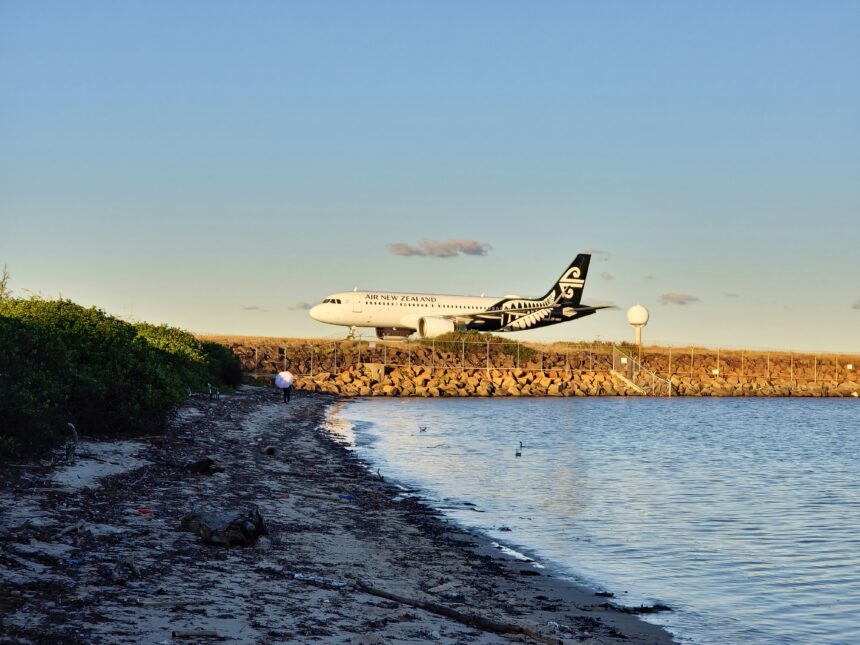
Air New Zealand will reduce its schedule by about 5% due to rising jet fuel costs, with most cuts affecting domestic and short-haul routes.

Cuts affect domestic and short-haul routes
Air New Zealand has explained that nearly all of the cuts will be to domestic flights and shorter routes to nearby destinations, rather than long-haul services.
Regional areas could see the biggest impact, as routes serving smaller airports may see reduced services. These routes still provide essential links; however, they usually carry fewer passengers and are more exposed when operating costs rise.
Long-haul flights are expected to remain largely unchanged for now. Demand for travel between New Zealand and major global destinations remains strong, particularly on routes connecting via the United States, as airlines continue to reroute around restricted airspace in parts of the Middle East, according to industry reports.
The airline has said that passengers who are affected will be contacted promptly and offered alternative travel options where available.

Fuel costs rise amid industry pressure
Airlines facing rising costs are already adjusting routes and schedules as financial pressure builds.
Recently, jet fuel costs rose after interruptions disrupted global supply routes. Although crude oil trades between $85 to $90 a barrel (as of recent market data), aviation fuel prices have also climbed, contributing to heavier financial pressure on airlines. Following these shifts, budget forecasts face new challenges without immediate relief in sight.
Fleet adjustments are emerging across global carriers, while ticket prices are increasing in some markets. Some routes are seeing reduced service, and airlines are adjusting operations in response to changing passenger demand, though cost increases remain uneven across regions. More details on Air New Zealand’s routes are available in this related article.
What Air New Zealand is doing reflects a broader pattern. Facing higher expenses, carriers such as Qantas, SAS, and Thai Airways have moved to adjust pricing or operations recently, showing similar responses across the industry.
Fuel costs remaining high may mean schedule adjustments persist, according to industry observers. Even small increases in fuel prices can have a significant impact on airline profitability.

Ongoing pressure on global aviation
This remains a period of operational and financial uncertainty for the aviation sector.
For travellers, the changes highlight how global events can influence flight availability and pricing. Airlines are balancing higher fuel costs, adjusted flight paths, and uncertain market conditions.
Although the reductions represent a relatively small portion of Air New Zealand’s overall schedule, they underline how global pressures continue to shape the industry.
To keep up to date with current developments in all things aviation, subscribe to Travel Radar today!