

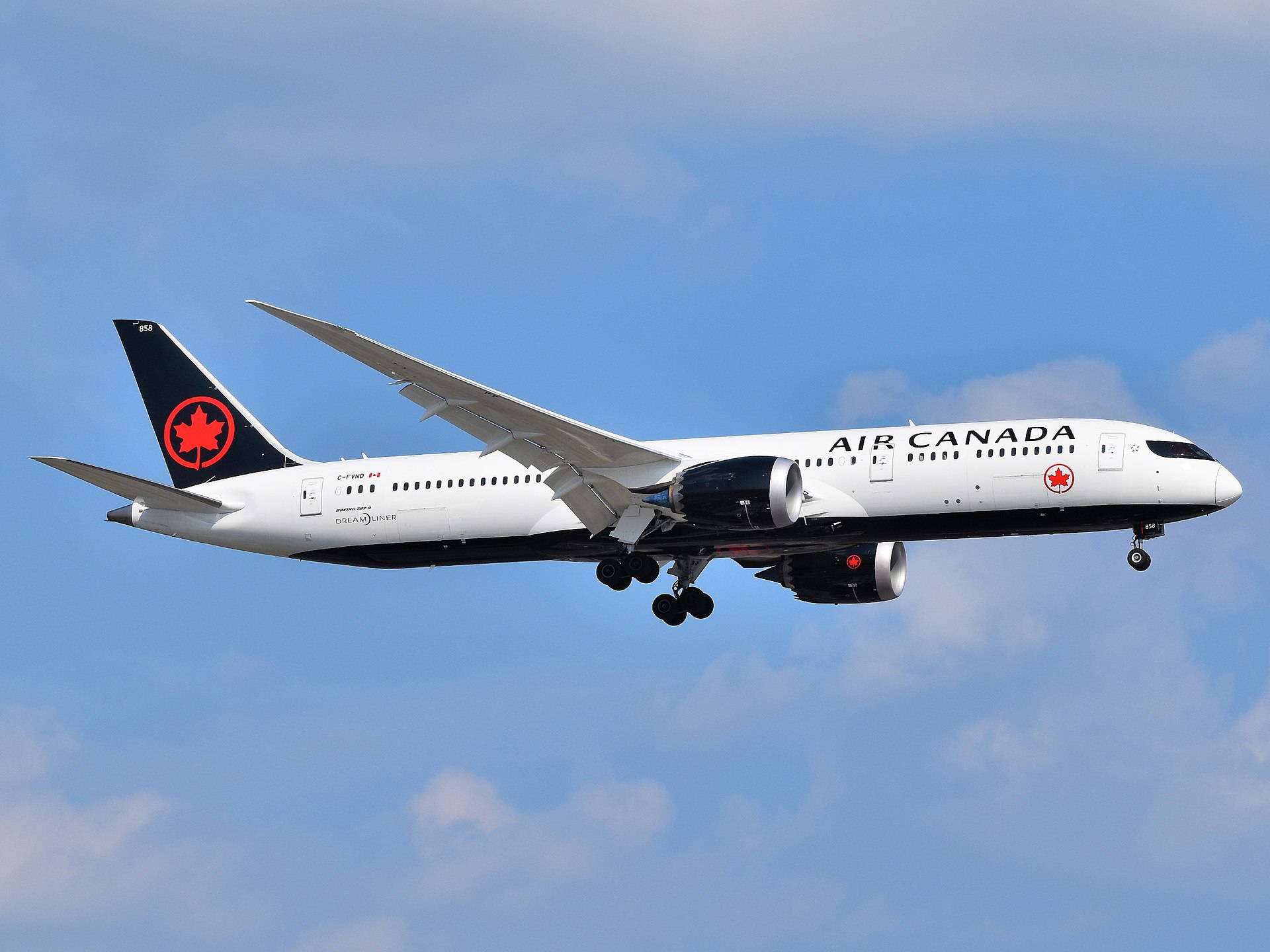
Air Canada has released its accessibility plan for 2026-2029, outlining how the airline intends to reduce barriers for travellers and employees with disabilities over the next three years. The plan builds on the previous 2023 strategy and includes 157 initiatives focused on improving airport experience and accessibility.
Focus on accessible travel
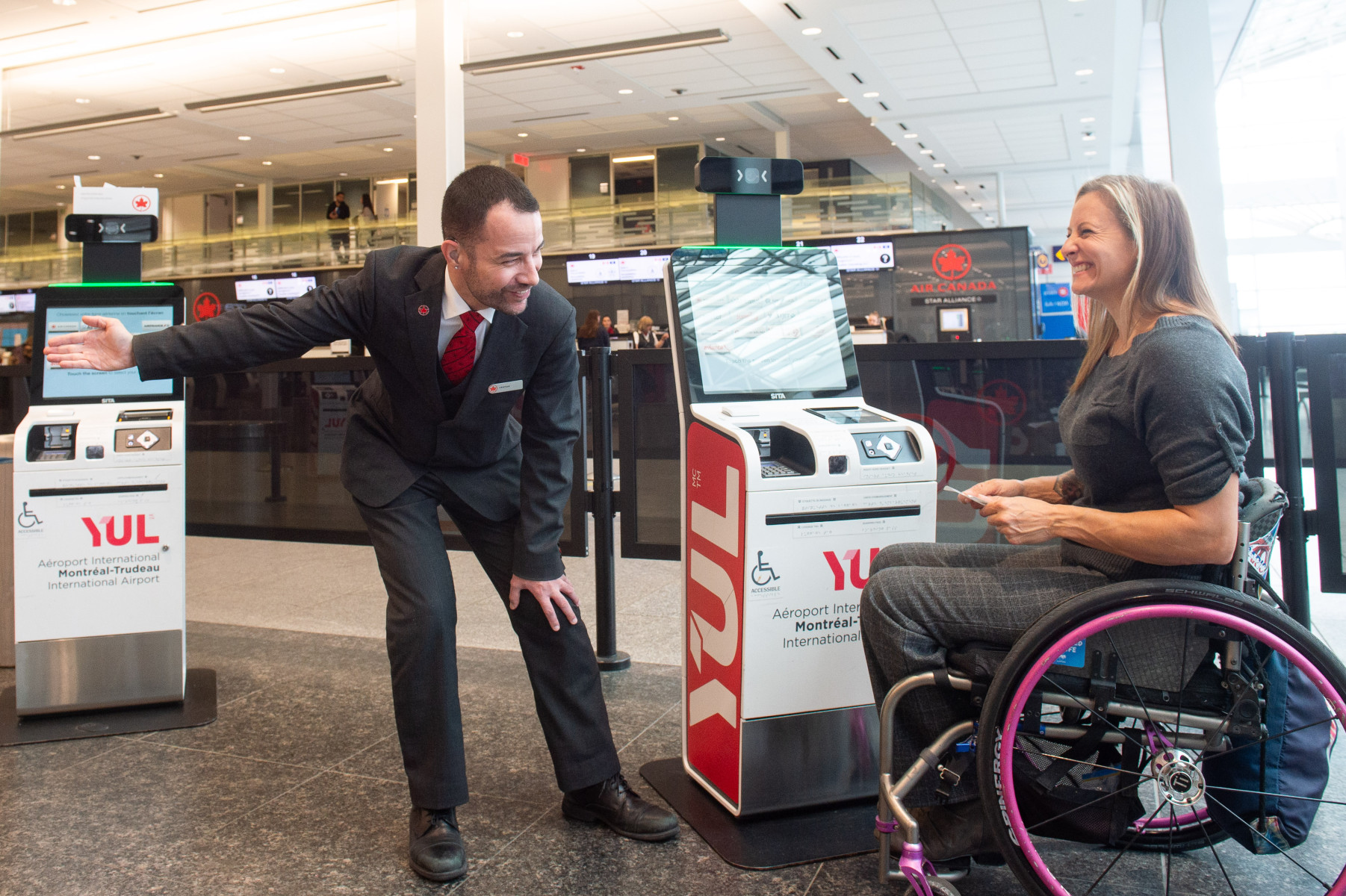
The new plan covers several areas identified under Canada’s ‘Accessible Canada Act’ and was developed through consultations with disability organisations, customers, employees and accessibility experts. Priorities include improving travel experiences for customers who use powered wheelchairs, as well as expanding training and support for employees throughout the whole flying experience.
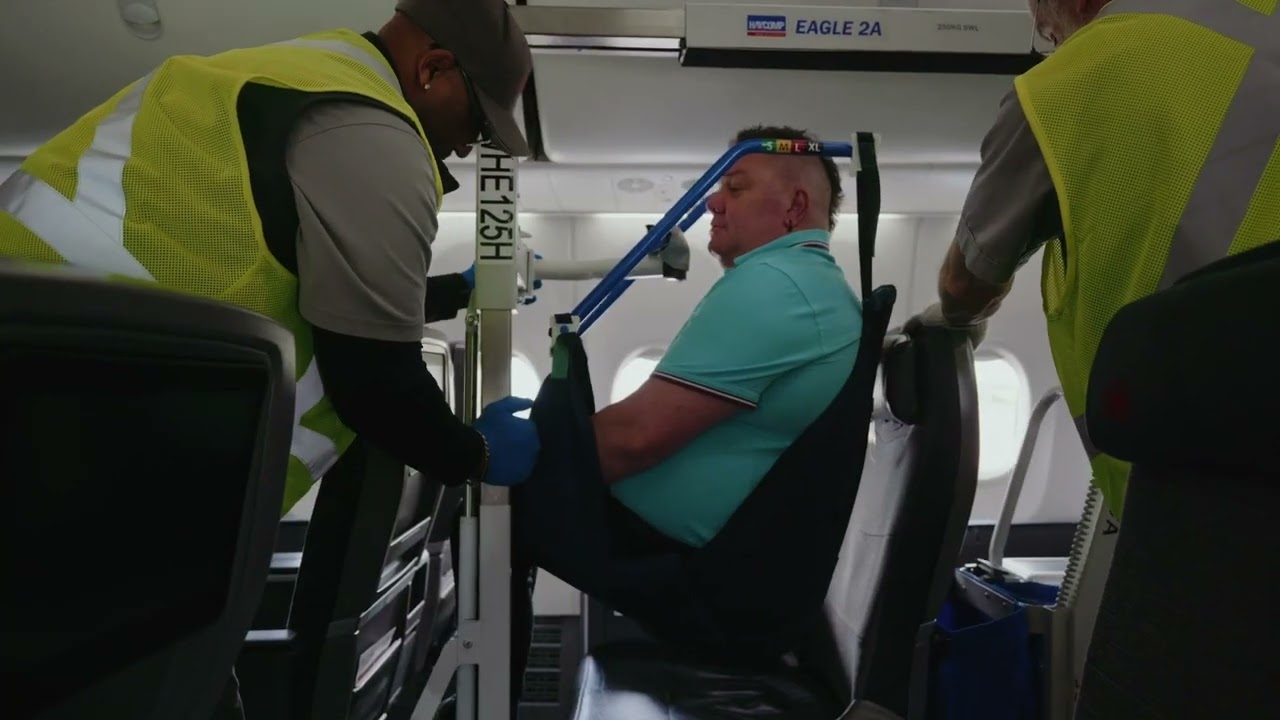
Other measures in the plan include improving boarding, deplaning and transfer assistance and increasing the availability of accessibility equipment such as passenger lifts and aisle chairs. The airline has also been providing various Autism Awareness Days in airports across Canada to help make travel more accessible.
Michael Rousseau, president and CEO of Air Canada, said:
“Air Canada is committed to championing accessibility in the travel industry by designing our products, services and employment practices so more people can access the services and opportunities we offer.”
Improvements for passengers using mobility aids
One of the key focuses is improving the experience for customers travelling with wheelchairs and other mobility devices. Air Canada has said it will explore new flight options and automation tools for these passengers, supported by digital tracking and notification systems.
The airline also plans to work with airports, aircraft manufacturers, mobility aid manufacturers and other airlines to improve accessibility across the wider travel experience.
In August 2023, the airline was fined $97,500 for multiple violations of the country’s regulations on accessible transportation for people with disabilities after a wheelchair user was forced to “drag himself off the aircraft” due to the lack of help. The new plan aims to make travelling easier for those needing assistance as well as train employees to appropriately deal with these situations.
Better accessibility in the workplace
Alongside customer-facing improvements, the plan introduces measures aimed at making employment more accessible. This includes efforts to improve recruitment and internship opportunities for people with disabilities as well as increased participation in the Diverse Abilities Employee Resource Group, which aims to create a workplace environment where employees feel more comfortable requesting support.
Kerianne Wilson, Director of Customer Accessibility at Air Canada, said the plan focuses on “clear, actionable commitments” designed to identify, prevent and remove barriers over the coming years. “Our priorities reflect what we heard from people with disabilities and where we can make the greatest impact,” she added.
The airline said it will push annual progress reports to track the delivery of its commitments through to 2029.
You can read the full 2026-2029 accessibility plan here.
Have you had any experiences with accessibility when travelling? Let us know in the comments below.