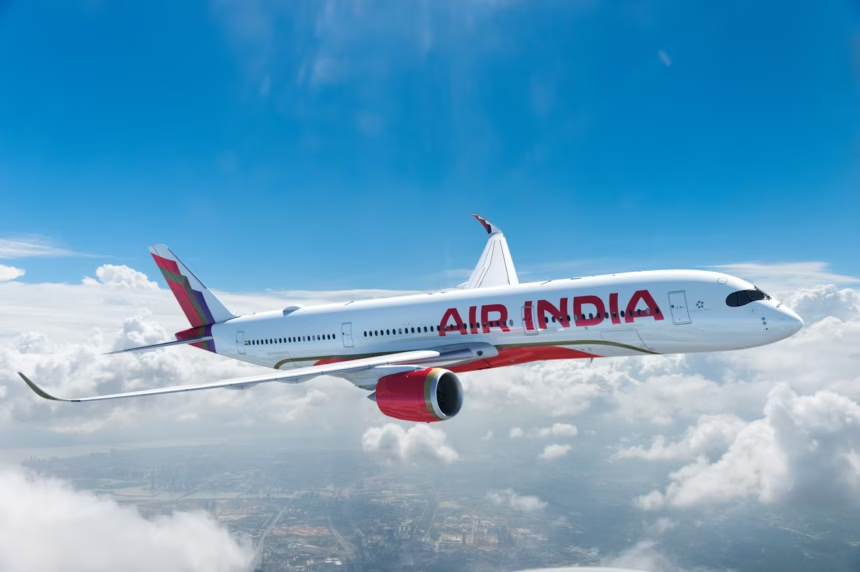
The captain of an Air India flight that suffered a 300-foot loss in altitude whilst travelling to Delhi on Aug. 4 is facing investigation after his mandatory psychoactive screening test returned a non-negative result. A non-negative result means the sample has been flagged for potentially containing a substance but is not necessarily a confirmed positive result.
The incident was classed as “serious” by the Aircraft Accident Investigation Bureau (AAIB) in India and consequently prompted a drug screening of both pilots, who have both been removed from their duties until confirmatory testing is completed.
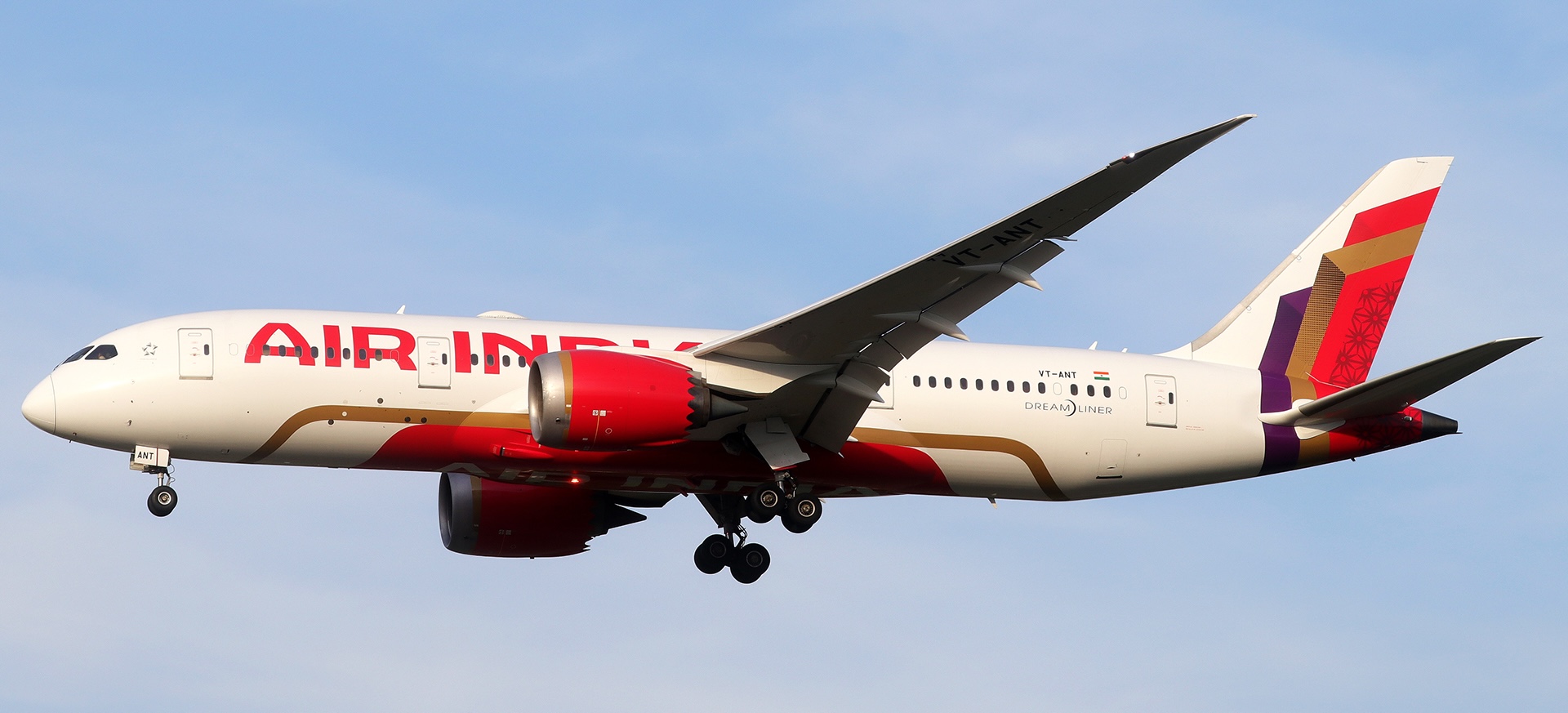
Serious Incident Declared Over Plane’s 300-Foot Plunge
On Aug. 4, a flight being operated by Air India encountered severe turbulence which resulted in the plane suddenly dropping 300 feet. The significant altitude loss was managed by the pilots, who eventually regained control and stabilised the aircraft.
The A320 aircraft was travelling between Phuket and Delhi (AI2379) when it encountered the turbulence, which reportedly lasted around five minutes. In that time, passengers and crew members who had not been seated and wearing seat belts at the time were “thrown around the cabin” according to passenger reports.
The aircraft was carrying 137 passengers, including three infant children, as well as eight crew members. Seventeen people, including two crew members, required medical attention for injuries sustained during the incident.
Ambulances and emergency responders attended to passengers when the plane successfully landed at Indira Gandhi International Airport (DEL) in Delhi, with some passengers being assisted in wheelchairs to be taken for medical evaluation.
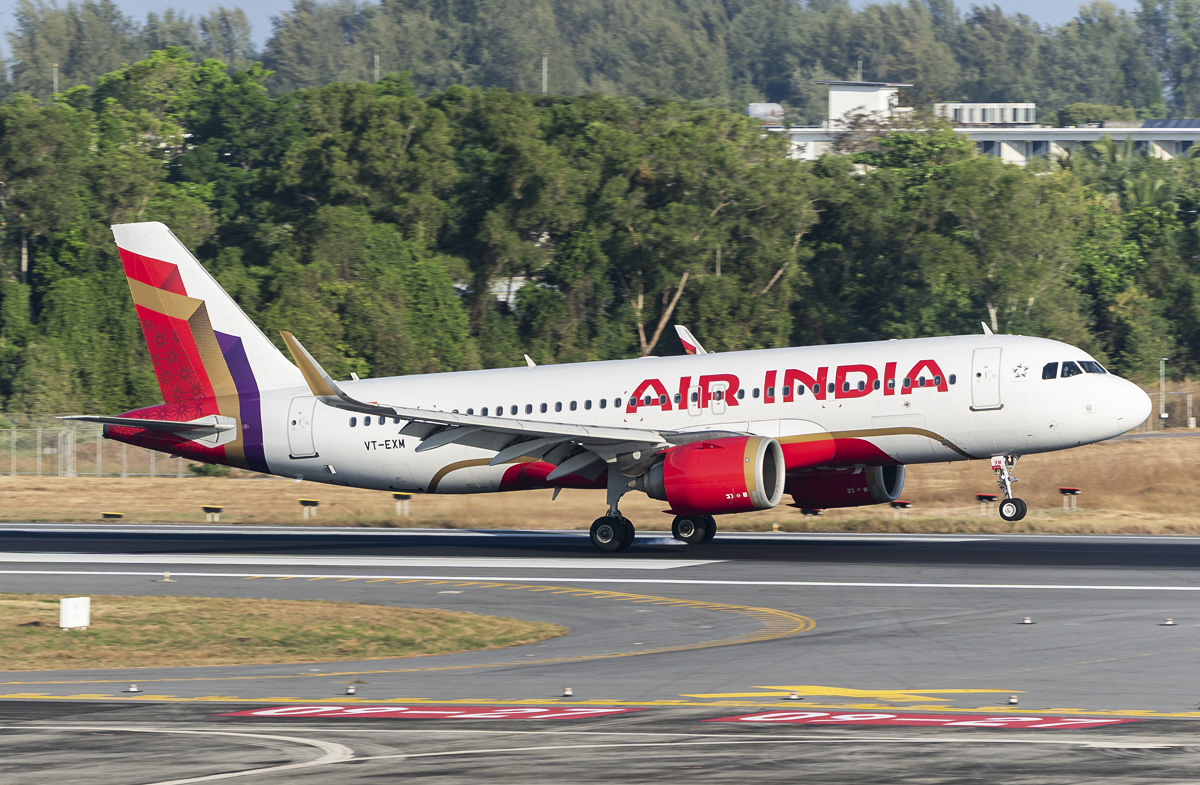
Captain Under Investigation
Following the AAIB’s classification of the event as a “serious incident”, mandatory procedures, as stipulated by the Directorate General of Civil Aviation (DGCA), required both pilots to undergo a psychoactive substance screening. Whilst the first officer’s test results did not raise concerns, the captain’s initial screening produced a non-negative result, which has prompted further investigation from the authorities.
A non-negative result does not necessarily mean that a person has consumed an illicit drug, or that they have tested positive for drug consumption. Screening tests can be affected by numerous factors, including prescription medication and over-the-counter medicine. A further laboratory test is required to establish whether any substances are present.
The Ministry of Civil Aviation confirmed that a final report about the captain’s sample is awaited.
The DGCA requires any aviation personnel who receive a non-negative result in an initial substance screening to be temporarily suspended from safety-sensitive duties until confirmatory testing is completed. If the laboratory confirms a positive result, then the individual is likely to be subject to further regulatory action, including a period of mandatory rehabilitation, before returning to their duties.
President of the Federation of Indian Pilots Captain C.S. Randhawa was asked about the potential ramifications for the captain of this flight by The Tribune India:
“If the test seems positive, then the licence cancellation of the pilot can also take place because of this. We have to wait for the report about the doping test, and then only we can comment on it.”
Air India also confirmed it is cooperating with both the DGCA and AAIB in their investigations, stressing that the airline follows civil aviation regulations on psychoactive substance testing and does conduct random screenings. A spokesperson for the Indian airline told ANI, a multimedia news agency:
“We are aware that a post-flight screening test was conducted on the pilots in accordance with applicable protocols. However, the results of the test have not been shared with Air India, and we are, therefore, not in a position to comment on any findings.”
Passengers Left Disgruntled After Suffering Injuries
Reports regarding passenger injuries have been emerging since the incident, with some filing complaints with the Directorate General of Civil Aviation, alleging that the sudden drop had caused passengers to be thrown against the cabin ceiling.
A family of six that had been travelling on the flight recorded their experience in a complaint which stated that Renu Raniwala, 62, suffered a rib injury as well as a suspected spinal injury, alongside Makul Raniwala, 64, who sustained bruises from the incident. Other passengers were seen leaving the aircraft with head bandages as well.
Ram Mohan Naidu, Civil Aviation Minister, confirmed that the two crew members who suffered from spinal injuries had been treated at Fortis Hospital, where they remained for two days after the incident. Naidu said that the majority of passengers were discharged from the hospital within hours after only minor medical treatment.
Srikant Jha, a U.S. resident on board the flight, told ANI:
“My family and I found the pilot to be shabbily dressed when we saw him at the airport but that did not raise an alarm then. It was after the incident when he came out to speak to the passengers that most of us thought he was intoxicated because he walked differently and threatened us all to not shoot a video.”
He also stated he would be contacting the U.S. embassy in India.
Final decisions about the pilot’s conduct and any further action against him will depend on the laboratory report and the findings of the ongoing investigation by the DCGA and AABI.
Have you ever experienced anything like this? Let us know in the comments below.