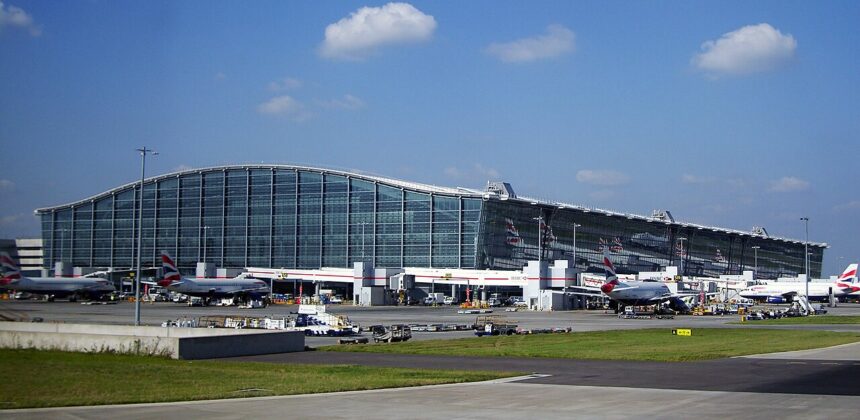
Heathrow passengers are set to face decades of higher fares as the airport is granted permission to recoup costs of developing its expansion plan. To recover the costs of planning a third runway at London Heathrow (LHR), the Civil Aviation Authority (CAA) plans to charge airlines more to fly into and out of Heathrow, which will increase passenger airfares.
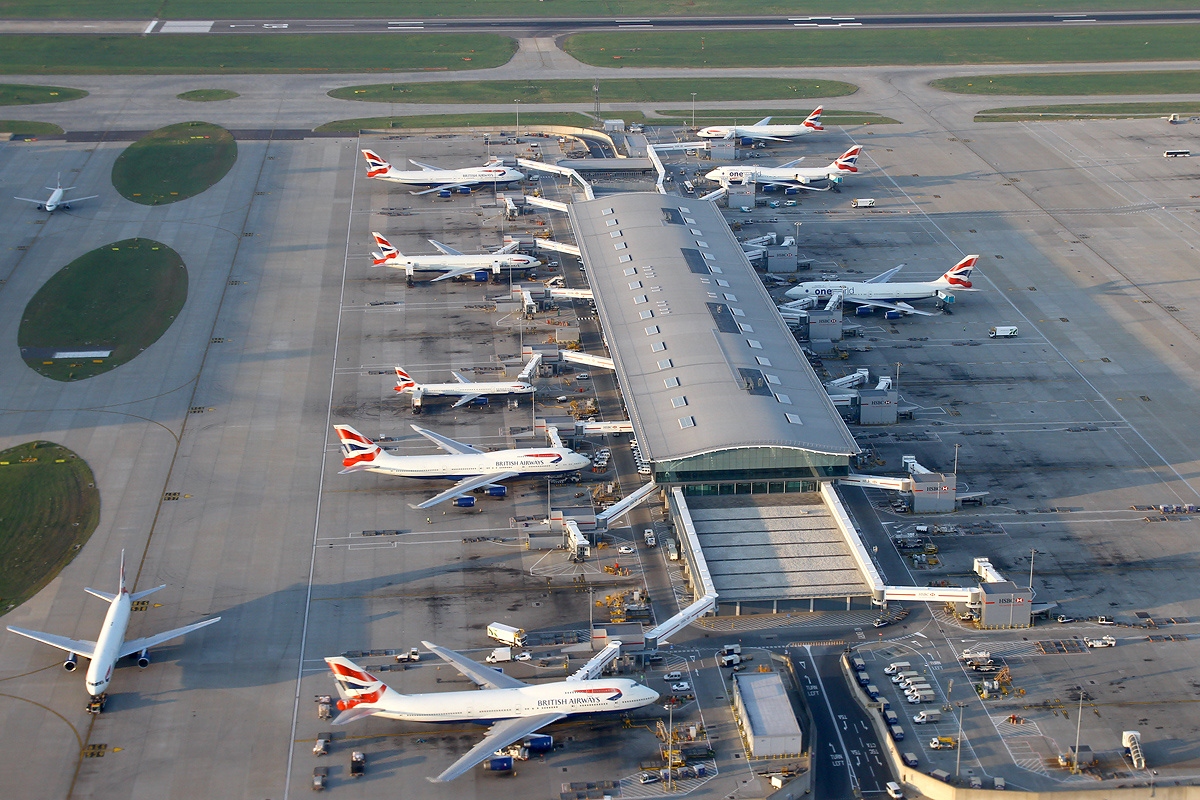
Third runway for Heathrow waiting for approval
The CAA has permitted Heathrow Airport Limited (HAL) to recoup the £320 million it spent on its proposal to build a third runway at LHR since the beginning of last year. HAL is responsible for the operation and management of London Heathrow and plays a large role in the airport’s development.
In addition, Heathrow West has also been permitted to recover costs of up to £4.1 million from its rival expansion plan that the company spent in 2025 before the British government announced HAL’s proposal was preferred.
The money spent on these plans is set to be recovered through higher airline charges, which tend to be passed on to passengers via air fares charged by said airlines. These higher air fares are expected to hit passengers for up to 25 years to cover the full costs of the expansion. This decision has already come under scrutiny, as some airlines have reportedly complained that Heathrow already has the highest charges of any airport in the world.
British Airways, the largest airline at London Heathrow, has expressed its concern about the higher charges according to one CAA document in which it stated that cost recovery by HAL risked making the expansion “unaffordable for consumers and inconsistent with a credible benefits case”.
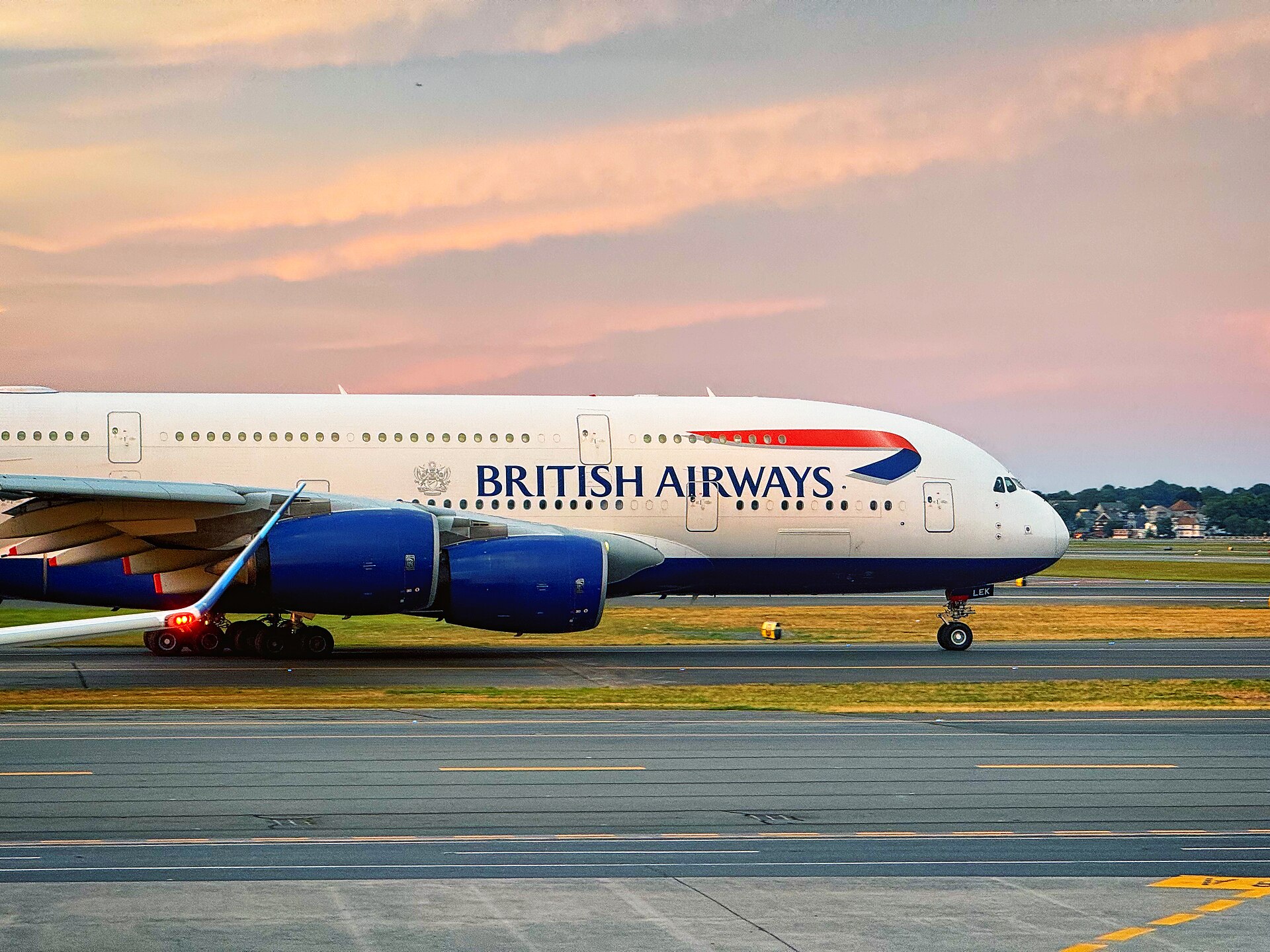
More runways but higher airfares for Heathrow passengers
The CAA has stated that this cost recovery scheme will see an increase in airport charge of approximately 15 pence per passenger in 2028, which is projected to rise to 30 pence in subsequent years.
Heathrow Airport Limited’s scheme is estimated to cost £33 billion, which includes £1.5 billion to move the M25. The scheme is expected to be fully privately financed.
The money able to be recouped through higher passenger fares includes the planning and design costs that were necessary to develop a credible expansion proposal, as well as material prepared for a future development consent order (DCO) application. Companies need to successfully apply for DCOs in order to be granted permission for major infrastructure projects to be approved.
Tim Johnson, the CAA’s director of consumers and markets, commented:
“Our decision strikes a balance between supporting the delivery of benefits to consumers through timely progress on Heathrow expansion, whilst also protecting them from undue increases in costs. The costs Heathrow can recover are capped, independently scrutinised and subject to efficiency reviews, helping ensure that passengers only pay for efficient costs that are justified.”
A separate process will be undertaken to arrange distribution of HAL’s costs from 2027.
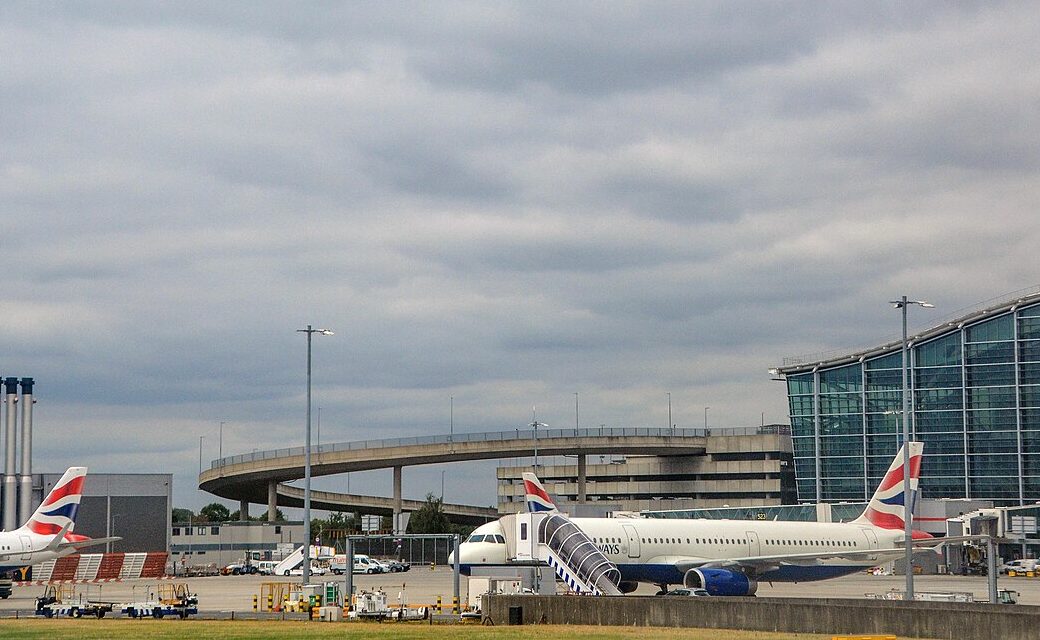
Heathrow’s expansion plans come under fire
Alongside complaints from airlines, who will also be burdened by the costs of LHR’s expansion, plans to build a third runway at LHR have not been an undisputed proposal.
The UK’s former Chancellor of the Exchequer, the chief finance minister and a senior member of the Cabinet, Rachel Reeves, stated she was determined to “get spades in the ground” for LHR’s third runway to be built by 2035. This was during a government consultation on its Heathrow expansion national policy statement, which aimed to set out conditions for the project’s approval. She also commented in an interview on BBC Radio 4 that LHR was Britain’s only major airport hub and she felt it was losing market share to other major European airports such as Amsterdam and Frankfurt, and would continue to do so if it didn’t expand.
Since then, Prime Minister Andy Burnham, who sacked Reeves from her post following Keir Starmer’s resignation as Prime Minister, has expressed concerns over the proposal. He has stated the project diverted infrastructure investment “away from the North and traps it in London”.
If the project does continue to be approved and gets the go-ahead, it would see Heathrow’s annual capacity increase to 765,000 flights and 150 million passengers.
An LHR spokesperson said the project aimed to give passengers more choice whilst providing a “real economic boost to every region and nation of the country”.
What do you think of these projected higher fares or a potential third runway at London Heathrow? Let us know in the comments below.