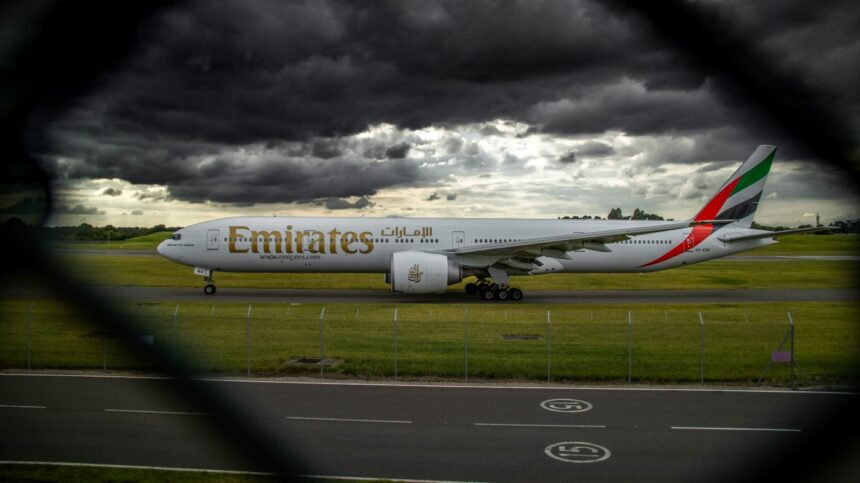
Birmingham Airport (BHX) will join zero-emission aviation developer ZeroAvia’s project to develop and test a mobile liquid hydrogen refuelling vehicle to supply commercial hydrogen-electric aircraft and ground equipment, as well as generate power on-site. The Hydrogen Propulsion Refuelling Infrastructure Mobile Ecosystem (HyPRIME) project also includes zero-emission energy companies ULEMCO and GeoPura, as well as Bristol Airport.
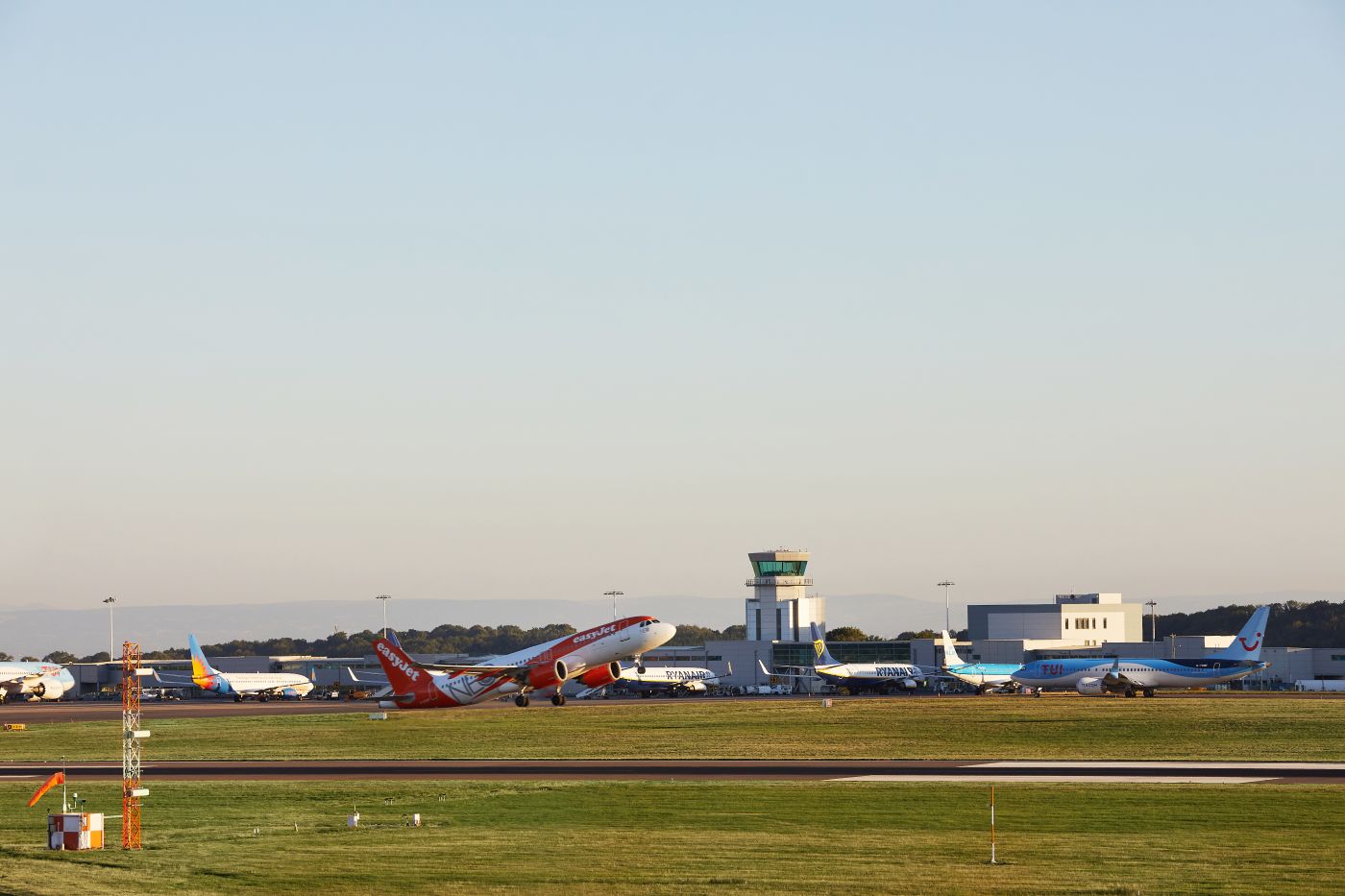
Zero-emission innovation
The HyPRIME project is one of eight projects to receive funding from the United Kingdom (UK) Department for Transport (DfT) as part of several initiatives to support the transition to zero-emission aviation. The DfT funds 62% of the HyPRIME project’s costs, amounting to £2,124,651.
On Feb. 20, 2023, ZeroAvia and Birmingham Airport announced a long-term partnership to develop on-airfield hydrogen refuelling capabilities and zero-emission passenger flights.
Tom Denton, head of sustainability at Birmingham Airport, said:
“Hydrogen electric aircraft are progressing quickly, and airports need to understand how this fuel can be safely and efficiently integrated into daily operations. HyPRIME gives us the opportunity to test procedures and build the knowledge required to support future zero emission flights from Birmingham. Taking part in this project helps us maintain the momentum we’ve built over the past few years and moves us that little bit closer to achieving our mission of running a lower carbon airport.”
UK airports’ zero-emissions goal
Birmingham Airport announced an 11% reduction in its location-based greenhouse gas emissions in 2025/26 and targets a 60% reduction in airport-controlled emissions by the end of 2026, as part of its commitment to net-zero operations by 2033.
Similarly, Bristol Airport aims to reduce its carbon emissions by 73% by 2027, with the goal of achieving net-zero operations by 2030.
The mobile liquid hydrogen refuelling vehicle built by the HyPRIME project can be an important step in supporting the use of hydrogen-electric aircraft by providing on-site means to refuel jets within commercially relevant timeframes and costs, without committing to a permanent hydrogen refuelling infrastructure.
How do you see the future of environmentally friendly aviation? Tell us in the comments section below!