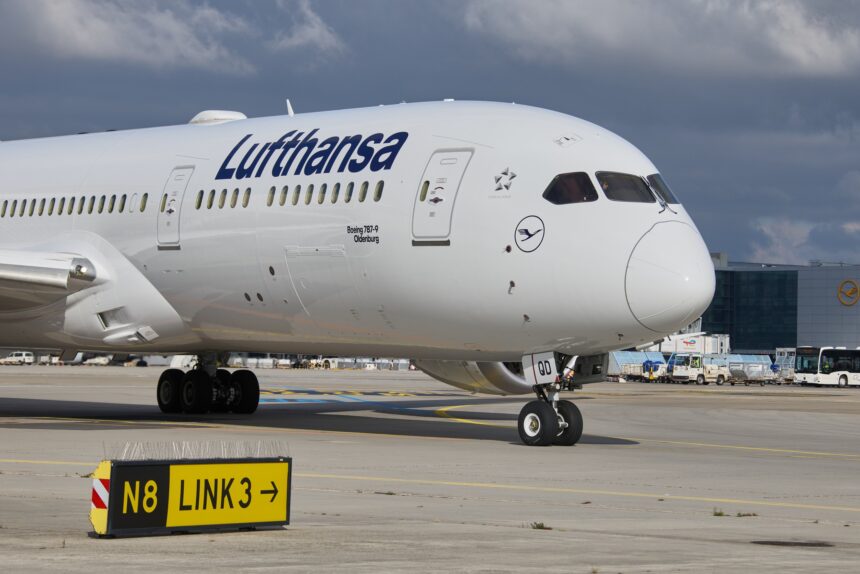
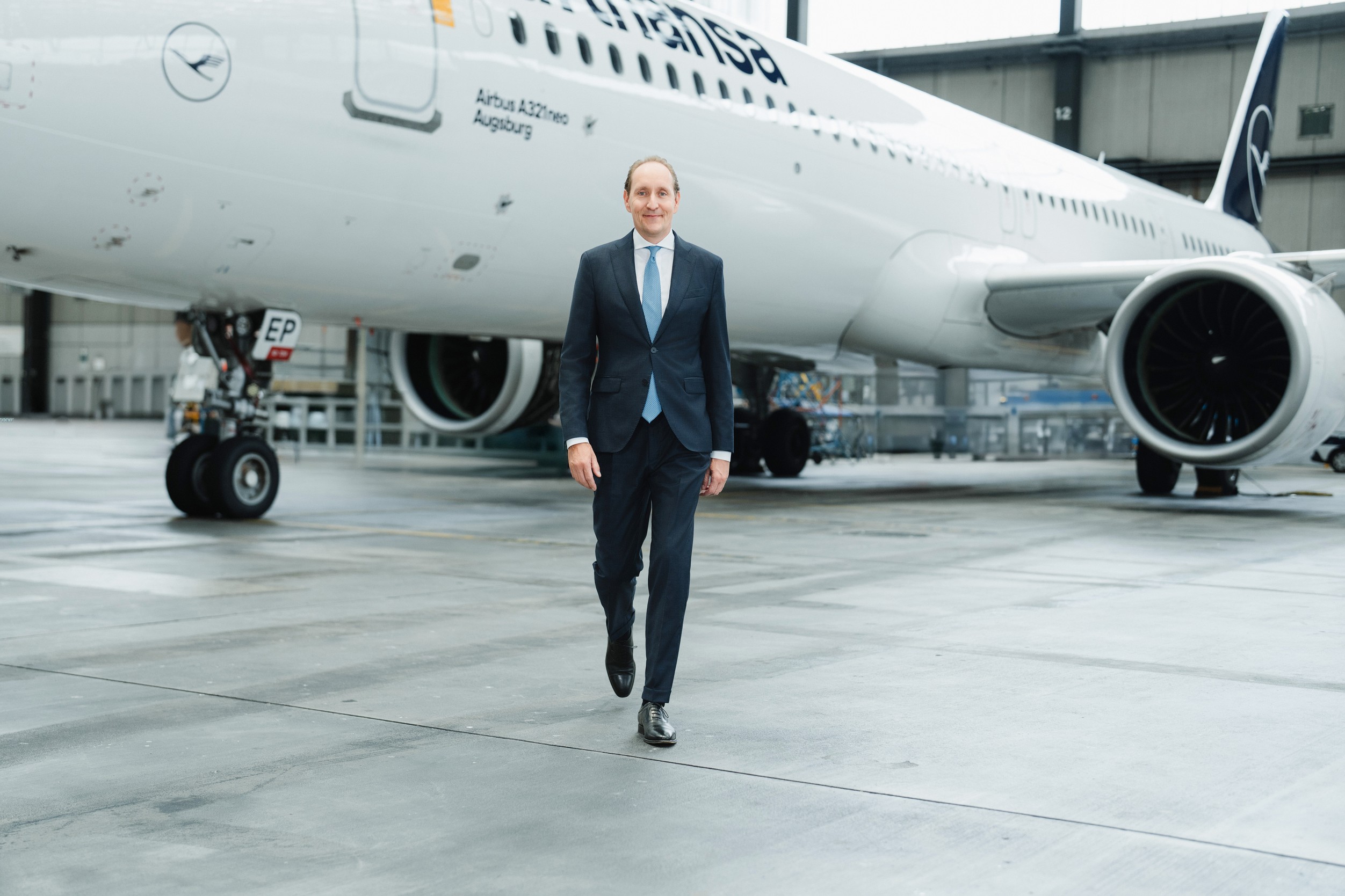
Lufthansa Group (LH) is shifting its seat capacity to fast-growing regions and its chief commercial officer, Dieter Vranckx says that traditional network planning is irrelevant to its current portfolio. Speaking about the group’s commercial strategy at the Routes 2026 conference held at Frankfurt earlier this year, he said that capacity now has to be deployed and monitored constantly across its hubs to keep them profitable.
Capacity Shift from North America
For Lufthansa Group, U.S. destinations fell short in terms of demand in the first half of 2026. Taking that into consideration, the group is moving much of its seat capacity to South America and Asia-Pacific markets where demand is much stronger and expects new routes in those markets to become profitable at least twice as quickly as they did before. Vranckx said:
“We need to go much faster into profitability. We need to see an immediate impact in the market. We need to see that we create value in that market.”
Under its previous approach, Lufthansa gave a new long-haul destination at least a year to settle into the market and another year to build demand before expecting a profit.
Currently, the group operates five airlines, Lufthansa, SWISS (LX), Austrian Airlines (OS), Brussels Airlines (SN), Eurowings (EW) across six European hubs, and Vranckx said that the network and capacity decisions are increasingly made from a group-wide view. Speaking about the group’s operation, Vranckx said:
“We will always look at the whole concept as if it would be one airline, and we optimise the five airlines and the six hubs commercially from that perspective.”
TAP Air Acquisition
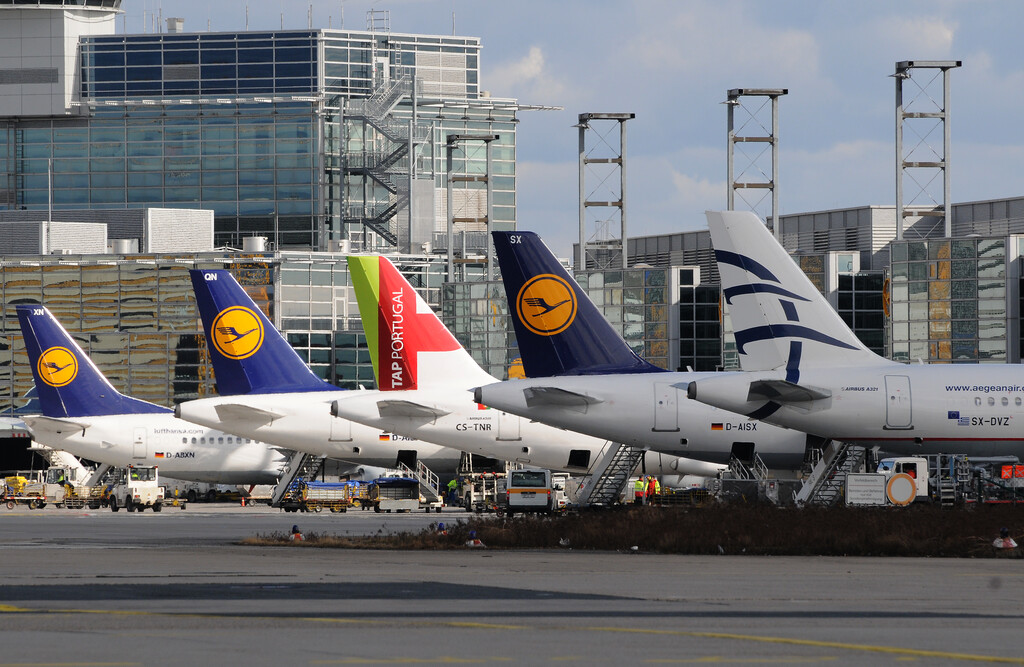
With the recent acquisition of TAP Air Portugal (TP) into Lufthansa Group, Vranckx said Lufthansa’s interest follows the same logic. He said Lufthansa assessed TAP’s financial value, geographical proximity and overall network fit to the group.
“TAP should be similar to ITA. Ideally, since we are an ambitious airline group, I always say it should go faster than ITA,” he said.
He said that the merger completion into the group could be at between one year and 18 months. The outcome still depends on the acquisition process and the regulatory approvals.
Network Planning without five-year plan
Vranckx said that there some short-haul traffic is concentrated better at few airports rather than operating out of every hub airport the group owns. He also said long-range network strategies are fading. Vranckx added:
“We don’t see the need for every hub to serve Oslo. The times of setting up a network strategy for the next five to 10 years and then to follow through are probably over.”
With constant fluctuations globally, Lufthansa wants to leverage its ability to move capacity between hubs
If airlines keep moving capacity this quickly, which routes do you think will be the first to see changes? Tell us in the comments.