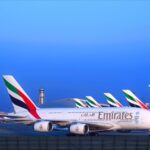
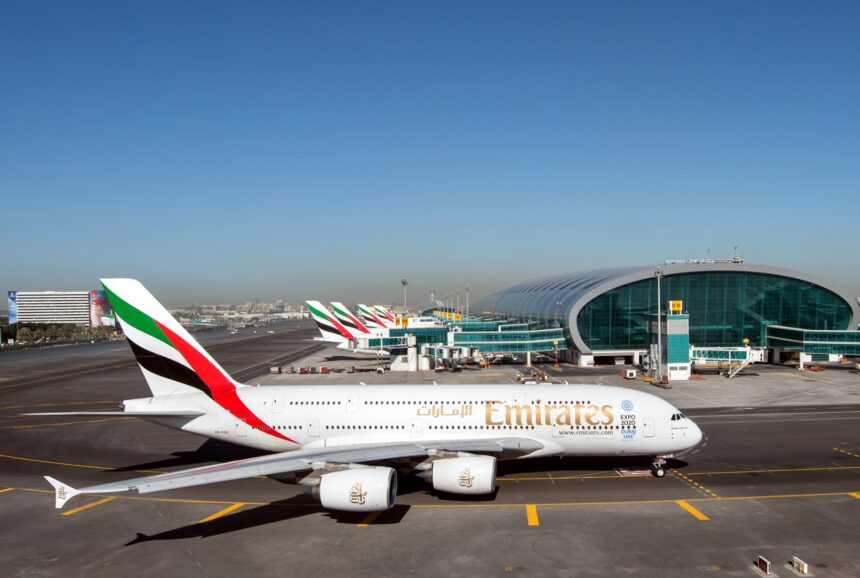
With widespread disruption in the Middle East, Emirates said it is operating at 91% of its pre-war capacity. Fuel cost fluctuations and prolonged engine maintenance delays remain concerns, but Emirates President, Sir Tim Clark said that revenue generated in one week in October was higher than in the same period a year earlier.
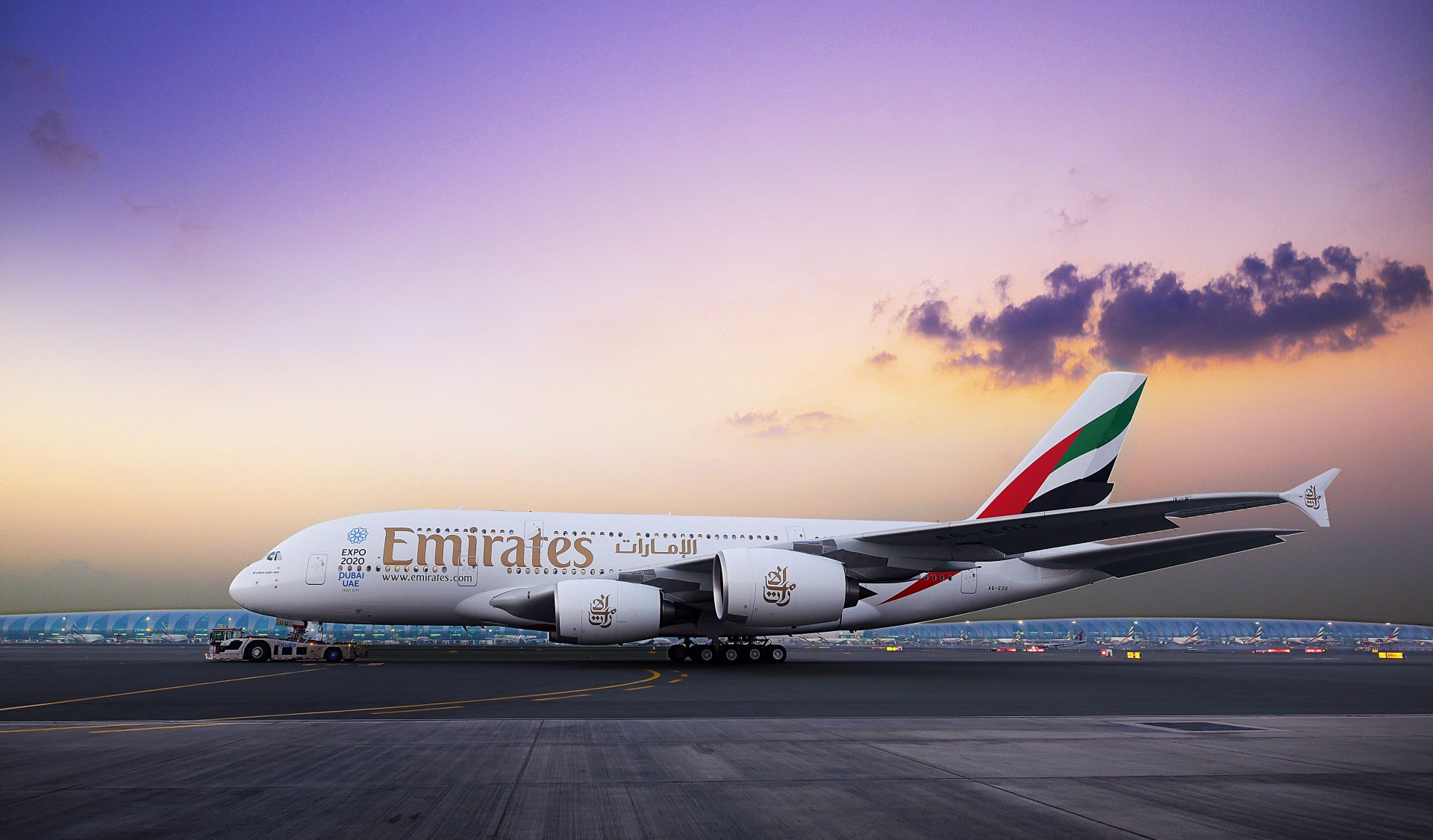
Revenue and demand amid disruption
Speaking at Routes World 2026 in Frankfurt, Sir Tim said:
“We’re actually making more money in terms of income, what with cargo and passengers, than we were doing this time last year.”
He added that fuel costs remain one of the key factors that destabilise an airline’s resilience to external shocks. Speaking more on oil price volatility, Sir Tim indicated that demand would follow once the disruption faded.
“There will be an end to this, and I think, as has been in the past, without fail once there’s an end, the surge comes,” he said.
He highlighted strong demand to Asian leisure markets such as Thailand and Bali, particularly Denpasar, where Emirates is operating with high load factors.
Prolonged Engine Delays and Improved Airport Experience
Emirates, the world’s largest A380 operator, with 117 in its fleet, tis facing constraints on engine availability. Seven A380s are currently grounded because of delays in engine servicing, and Sir Tim added that the airline wants to restore its network once they are ready to return.
The immediate focus is extending base operations at Dubai World Central (DWC), which is due to open in the early 2030s with an annual capacity of 165 million passengers. On the onboard product, Sir Tim said the cost of delivering high-end service is lower than the airline expected.
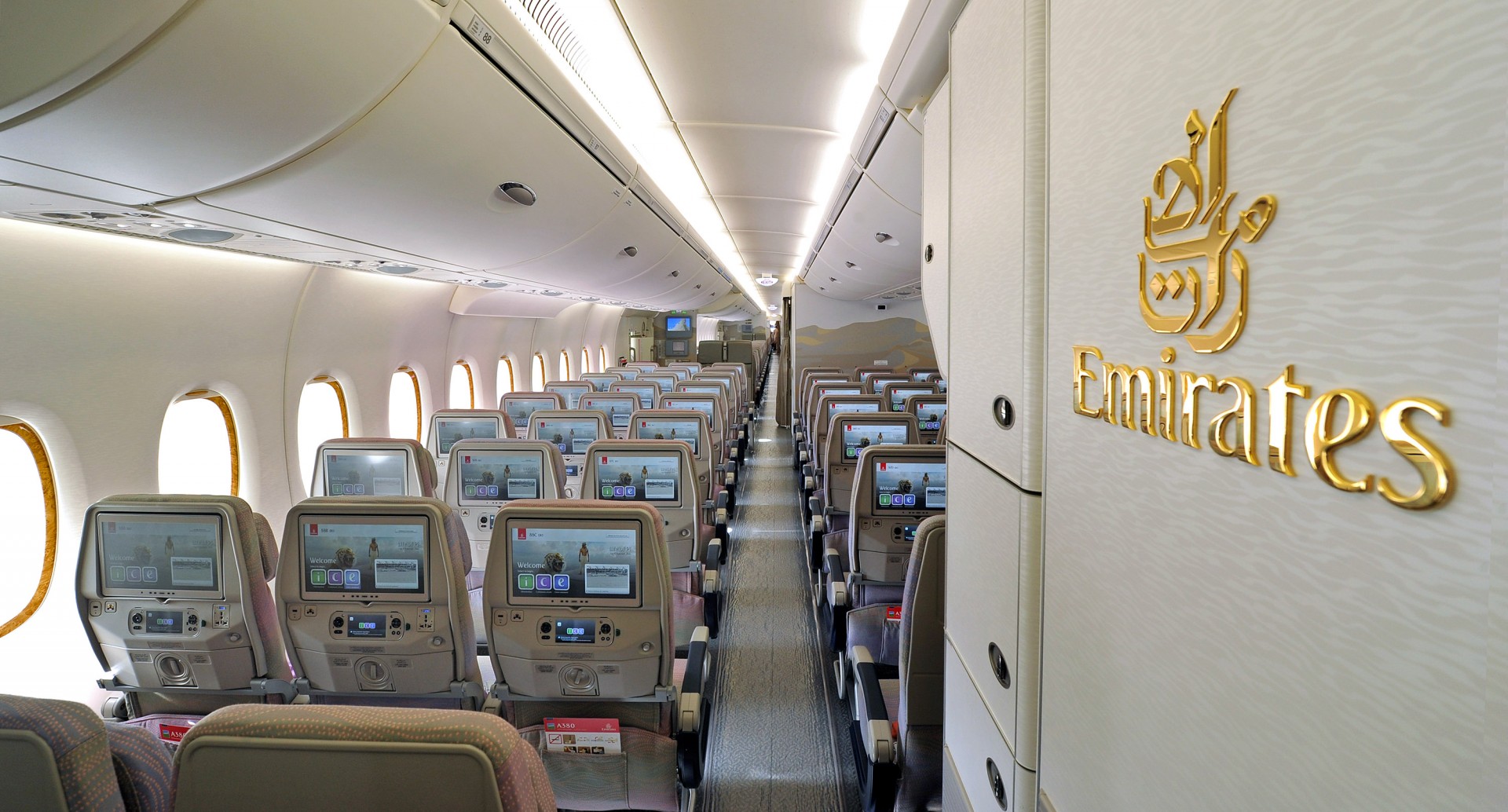
“Good food, good beverages, nice TV, important comfortable seats, nice ambience in the cabin. Don’t make your cabins dark and grey. Make them light and airy. People feel good. The actual cost of delivering these high-end products is cheaper than we thought.” he said.
He also named airport experience as a key area for improving customer satisfaction. At Dubai International Airport (DXB), he said automated processing and biometrics at gates could substantially improve the passenger experience.
How quickly do you think Emirate’s can restore the rest of its network? Let us know in the comments below.