
The U.S. Senate has approved the Mental Health in Aviation Act of 2026, a legislation concerning airlines crew and air traffic control (ATC). The new legislation would allow the Federal Aviation Administration (FAA) to review its mental health policies, increase medical guidance and improve mental health awareness. The bill still requires approval from the House of Representatives in order for the law to pass.

Mental Health Problems in Aviation
Mental health has always been an industry-wide stigma in aviation. The tragic crash of Germanwings flight 9525 in 2015 had brought to light the fatal consequences of a mentally-incapacitated pilot alone inside a cockpit and the need for transparent disclosure of mental health problems and medications. Although many cockpit security and mental health measures had been established, there have not been safe and helpful conditions for transparency.
Several airline pilots still avoid disclosing their full mental health problems and medications as they fear they could lose their license and their livelihoods eventually. The industry employs very stringent rules around medication, with many pilots forced to be on the sidelines for three months if they make any alterations regarding their medication even within approved limits. A 2023 FAA expert panel on pilot mental health issues found that around 1 in 5 pilots and ATC are disqualified initially as soon as they report a mental health problem. Approval for antidepressant medication could also take around a year.

Mental Health in Aviation Act of 2026
The main goal of this legislation is to encourage pilots and ATC to disclose mental health problems and medication to seek monitored necessary treatment without having to fear harsh reprimands. Senator Tammy Duckworth, one of the legislators, said:
“Their careers should never be threatened because they weren’t properly informed about which medications they’re allowed to take, or simply sought the mental health care they need.”
The legislation would allow the FAA to regularly scrutinise its mental health policies, conduct research and search for gaps in mental health data, introduce public awareness campaigns on treatment and report to Congress regarding the campaign’s effectiveness. A separate bill would also authorise the FAA to establish user-friendly information about medications approved for pilots and ATC.
What to expect next?
The Allied Pilots Association (APA), who represents 16,000 professional American Airlines pilots, welcomed the bill as a step in the right direction towards the FAA adopting a modernised approach on pilot mental health.
“For far too long, pilots have faced barriers to seeking care and navigating the medical certification process,” APA president Nick Silva said.
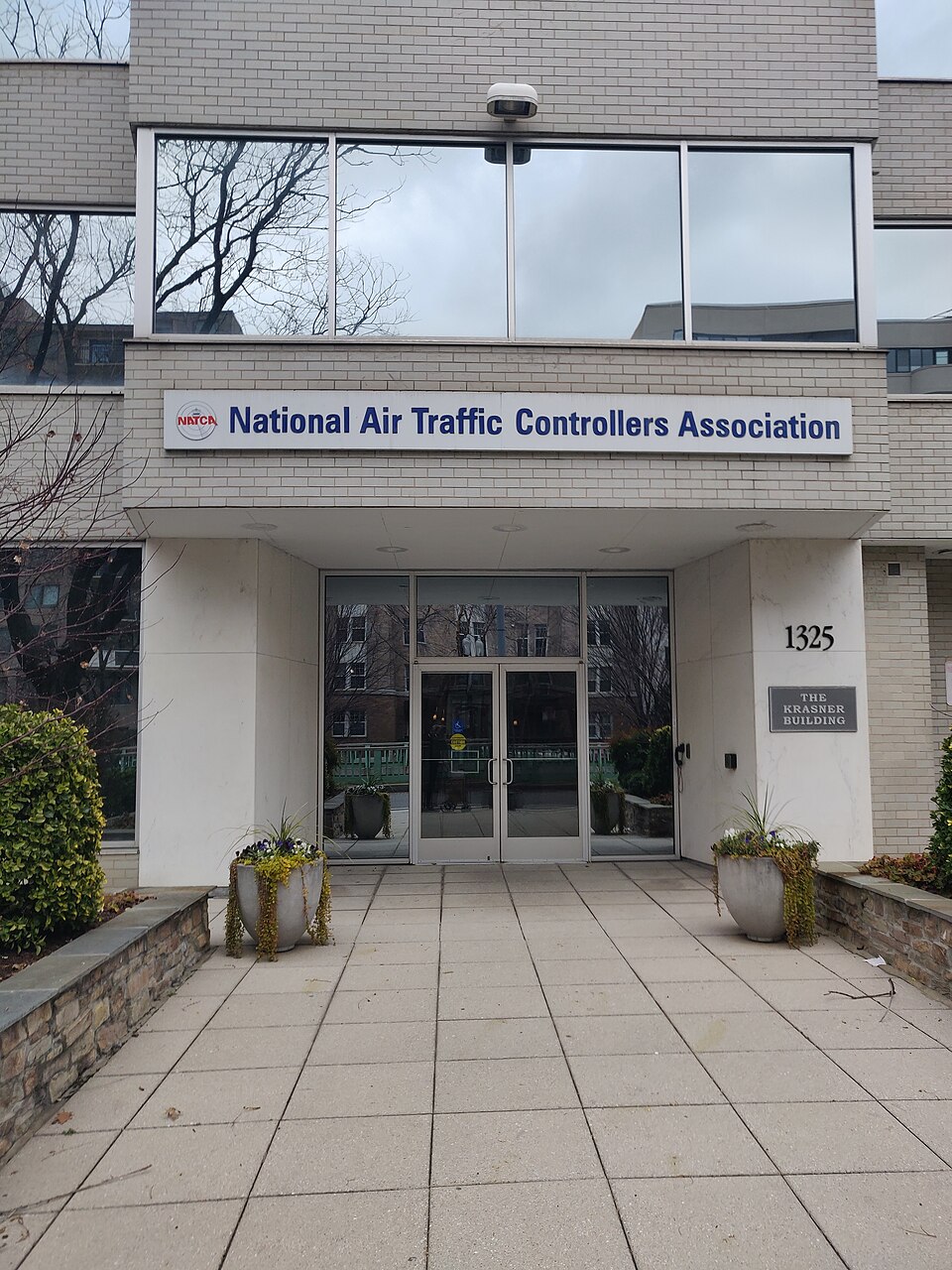
The National Air Traffic Controllers Association (NATCA) also released a statement praising the new bills:
“These bills would help ensure the well-being of critical aviation professionals and enhance safety for the flying public.”
The Senate approved the bills on Sept. 24, 2026. They are now awaiting the House of Representatives to take the bill into consideration.
What are your thoughts on mental health issues in the aviation industry? Let us know in the comments!