


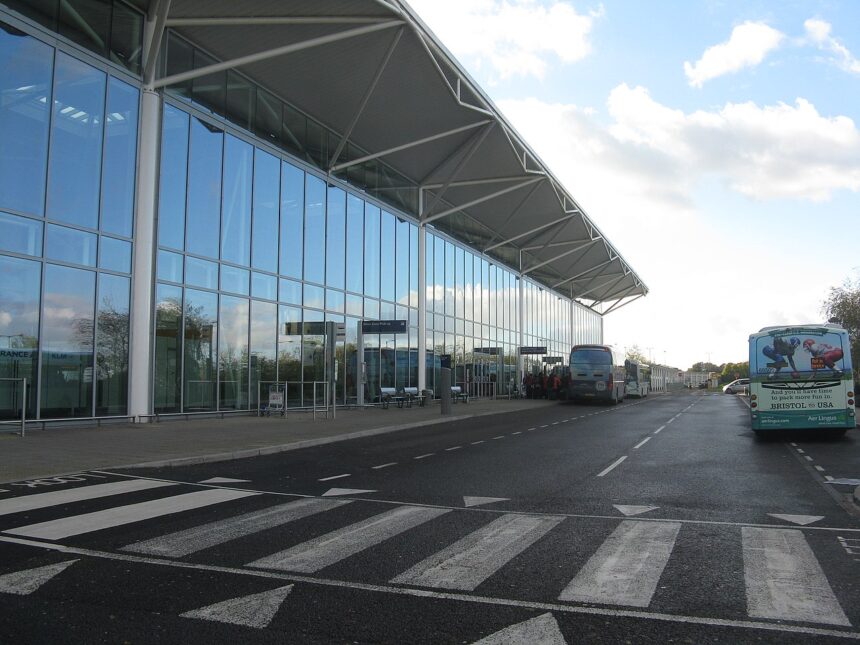
Plans to expand Bristol Airport (BRS) have re-emerged, placing renewed focus on the balance between regional economic growth and aviation’s environmental sustainability. The proposal, reported by the BBC, would increase the airport’s capacity from approximately 10.8 million to 15 million passengers per year, instead of the previously approved 12 million. Macquarie Asset Management, owner of Bristol Airport, is driving a £500 million investment programme to expand the airport’s infrastructure.
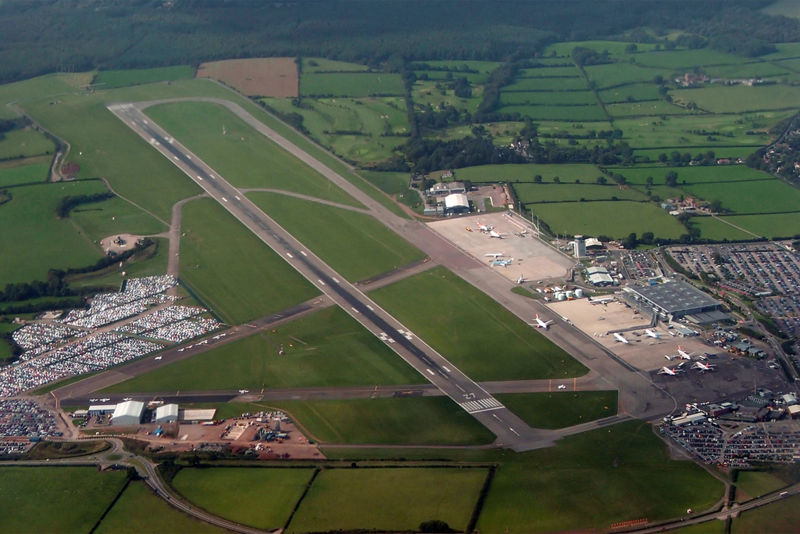
Background and Planning History
The expansion of Bristol Airport has been contested since 2018. In 2020, North Somerset Council rejected earlier proposals on environmental grounds. However, following appeals and a High Court ruling in 2023, the airport received approval to increase capacity to 12 million passengers annually.
Opposition has remained consistent, led by groups such as Bristol Airport Action Network. This marked the culmination of a five-year saga that even drew climate activist Greta Thunberg into the debate, according to the BBC.
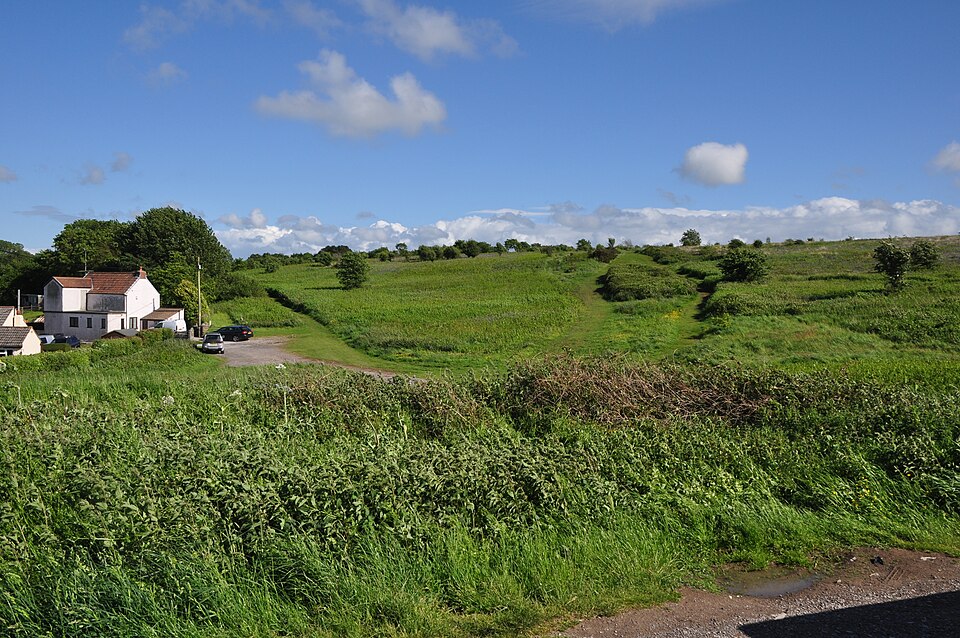
The latest proposals have intensified concerns. A central issue is the potential development of Felton Common, a site valued for its ecological and community significance. Campaigners argue that extending airport infrastructure into this area would damage habitats and reduce public green space.
Noise and operational impacts are also significant concerns. The expansion could result in approximately 35 additional daily flights during peak periods and an increase in annual night flights from 4,000 to nearly 5,000.
Although the airport states that newer aircraft, expected to make up 80% of operations by 2038, are up to 40% quieter, residents question whether this will offset increased flight frequency. Transport infrastructure remains another challenge. The airport currently lacks a dedicated mass transit link, relying heavily on road access, which has led to congestion on routes such as the A38.
Planned developments include runway enhancements, an increase in annual flights from around 86,000 to nearly 100,000, expanded terminal facilities, and improved transport and parking infrastructure. The airport states the expansion could create around 1,000 on-site jobs and up to 36,000 jobs across the wider region, according to the BBC.
Environmental Impact
According to the airport, expansion to 15 million passengers would contribute less than 0.1% of the UK’s carbon budget for 2028–2037. However, critics argue this still represents a substantial emissions increase, estimated at hundreds of thousands of tonnes of CO₂.
This underscores a wider trend across the aviation sector: aligning passenger growth with climate targets. Technologies such as sustainable aviation fuels and hydrogen-powered aircraft, being developed by companies like Airbus, may reduce long-term emissions, but policymakers have warned that these solutions may not scale quickly enough to offset near-term growth.
Political and Regional Response
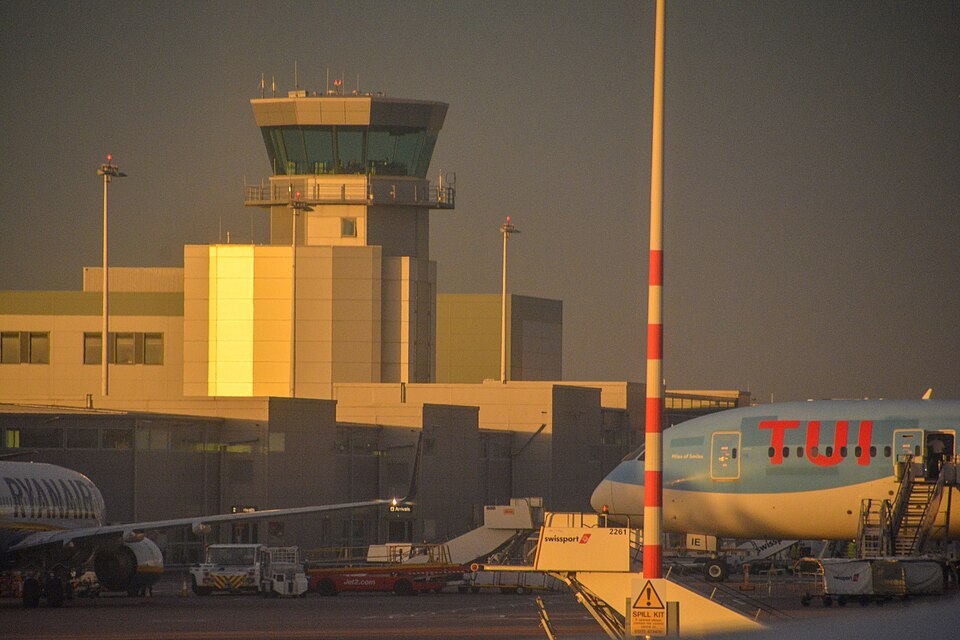
Political opinion remains divided. Local business groups like Business West emphasise improved long-haul connectivity. Others highlight risks related to congestion, environmental damage, and pressure on local infrastructure.
Regional bodies such as the West of England Combined Authority are exploring long-term transport solutions, including a potential mass transit link to the airport, though funding and timelines remain uncertain. The proposal is expected to be reviewed by local planning authorities later this year, with the possibility of further legal challenges given the history of the project.
As planning decisions move forward, the outcome is likely to shape not only the South West of England but also how regional airports approach sustainable growth.
What do you think of Bristol Airport’s expansion plan? Let us know in the comments below.




Great article, i really enjoy reading it, i hope you post more, keep up the good wok , is gona come follow you for more , nice reading it.