


Choosing to fly to Sicily means embarking on a journey through centuries of human history. This island, anciently named Trinacria due to its triangular shape, is much more than just a beach destination. On the contrary, it represents a cultural palimpsest where every ruling civilization has left an indelible mark. In fact, from the Greeks to the Arabs, and the Normans to the Spaniards, Sicily is a mosaic of beauty waiting to be explored.
💡 KEY TAKEAWAYS:
📍 Historical Heritage: Sicily boasts the highest density of UNESCO sites in the world.
📍 Pristine Nature: From Etna to crystal-clear beaches, the landscape is unparalleled.
📍 Gastronomy: A unique cuisine blending Middle Eastern and European traditions.
Why should you choose to fly to Sicily?
Choosing to fly to Sicily is the ideal choice for those seeking a perfect mix of culture, adventure, and relaxation. The island offers a mild climate year-round, making it perfect for every season. Thanks to its international airports, such as Catania and Palermo, reaching this land full of myths, flavors, and breathtaking landscapes is now extremely easy and fast.
1. Mount Etna: The Earth’s Breath
Mount Etna is not merely a volcano; it is a living entity that shapes the destiny of Eastern Sicily. Declared a UNESCO World Heritage site, it is the highest active volcano in Europe. However, its beauty is not limited to the summit craters. For instance, according to the;National Institute of Geophysics and Volcanology, its constant activity transforms the landscape daily. Furthermore, the fertile slopes host prestigious vineyards producing mineral-rich wines unique in the world. If you wish to have a profound experience, you might decide on an unforgettable adventure discovering the volcano and its gorges, combining volcanic majesty with the freshness of the Alcantara River.
2. The Valley of the Temples: A Leap into Magna Graecia
In Agrigento, time seems to have stood still. The Valley of the Temples represents one of the best-preserved archaeological complexes in the world. Walking among the Doric columns of the Temple of Concord at sunset is an experience that touches the soul. Moreover, this site has been officially recognized as a UNESCO World Heritage since 1997. In that era, it was the fourth-largest city in the ancient world, surpassing even Athens in architectural splendor.
3. Taormina and its Dreamy Beaches
Taormina is known as the “Pearl of the Mediterranean”. Perched on a hill, it offers an incomparable view ranging from Mount Etna to the Ionian Sea. But it is not just the historic center that enchants visitors. Indeed, for those who love the sea, it is essential to explore the coastal wonders of the Messina area, where Isola Bella and the Bay of Mazzarò offer transparent waters nestled among ancient rocks.
4. Palermo: Arab-Norman and Baroque Capital
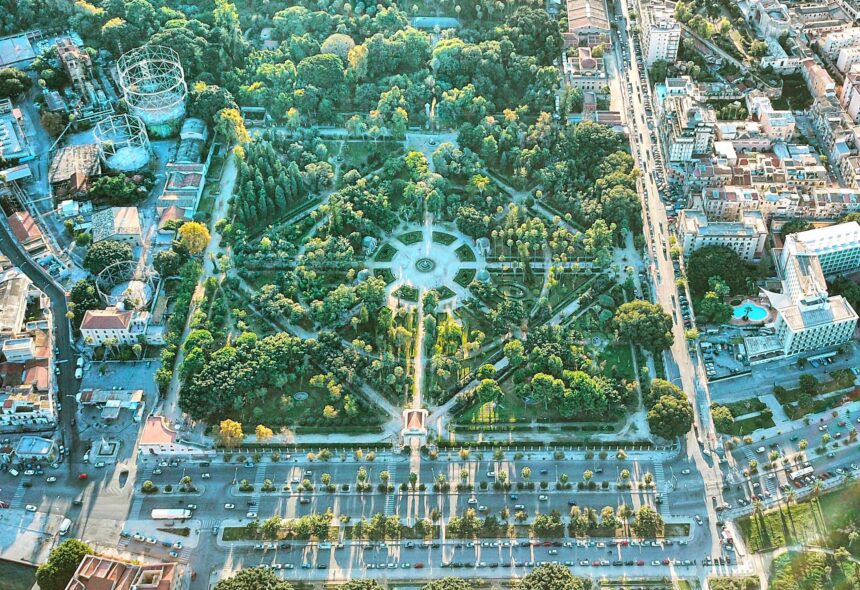
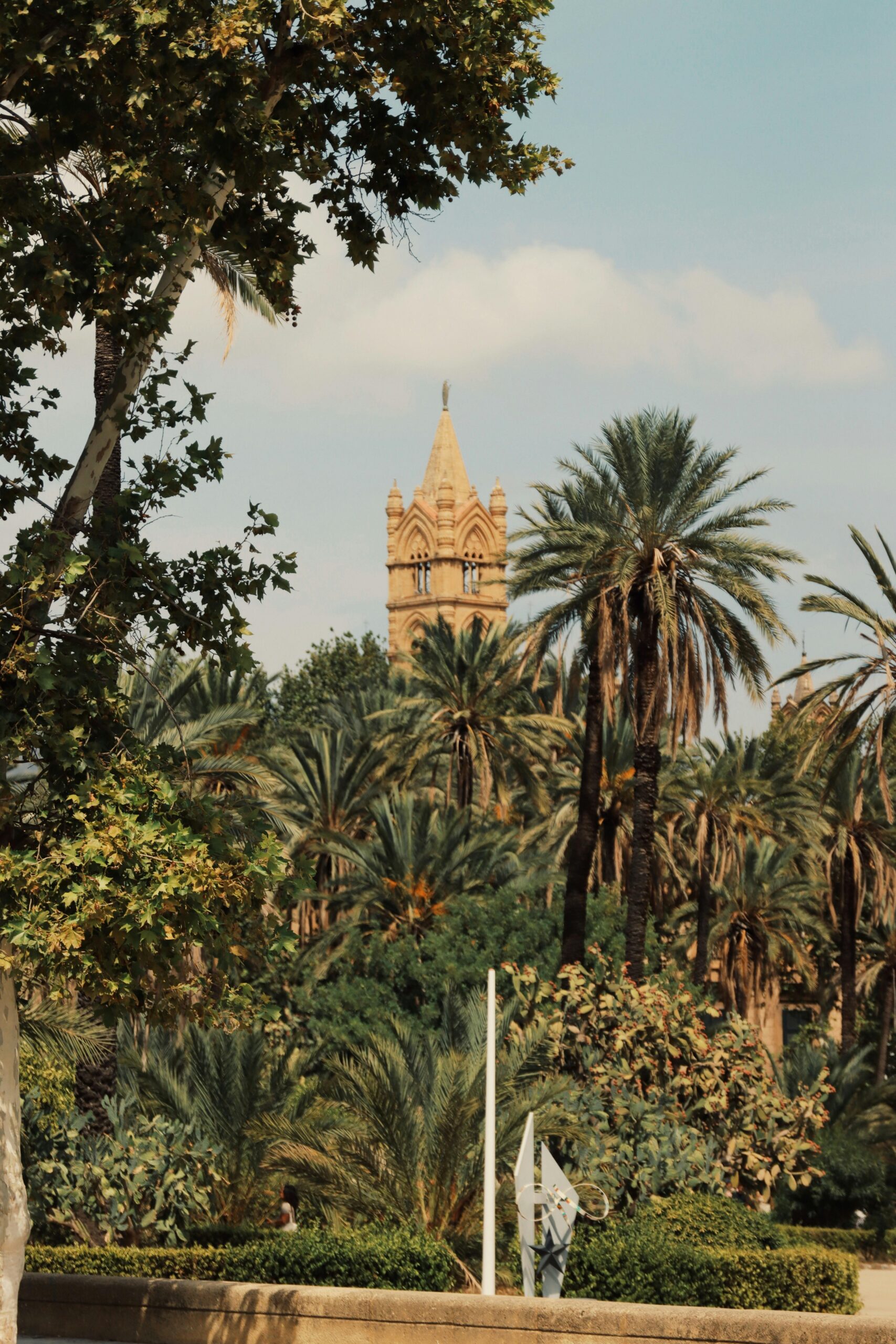
The Sicilian capital is a harmonious chaos of styles. The Arab-Norman route shows how different religions once coexisted peacefully. To learn more about this unique cultural crossroads, you can visit the official Palermo UNESCO Site. Consequently, walking through Palermo means breathing the history of an entire geographical basin.
5. Food Culture: Authentic Street Food
You cannot fly to Sicily without savoring its legendary cuisine. Sicilian street food is world-famous. From arancine to pane con la milza, every bite tells a deep story. Did you know that the famous sorbet has Arabic roots? The Arabs used Etna’s snow mixed with fruit juices to cool down, effectively creating the ancestor of modern gelato.
6. Il Barocco della Val di Noto
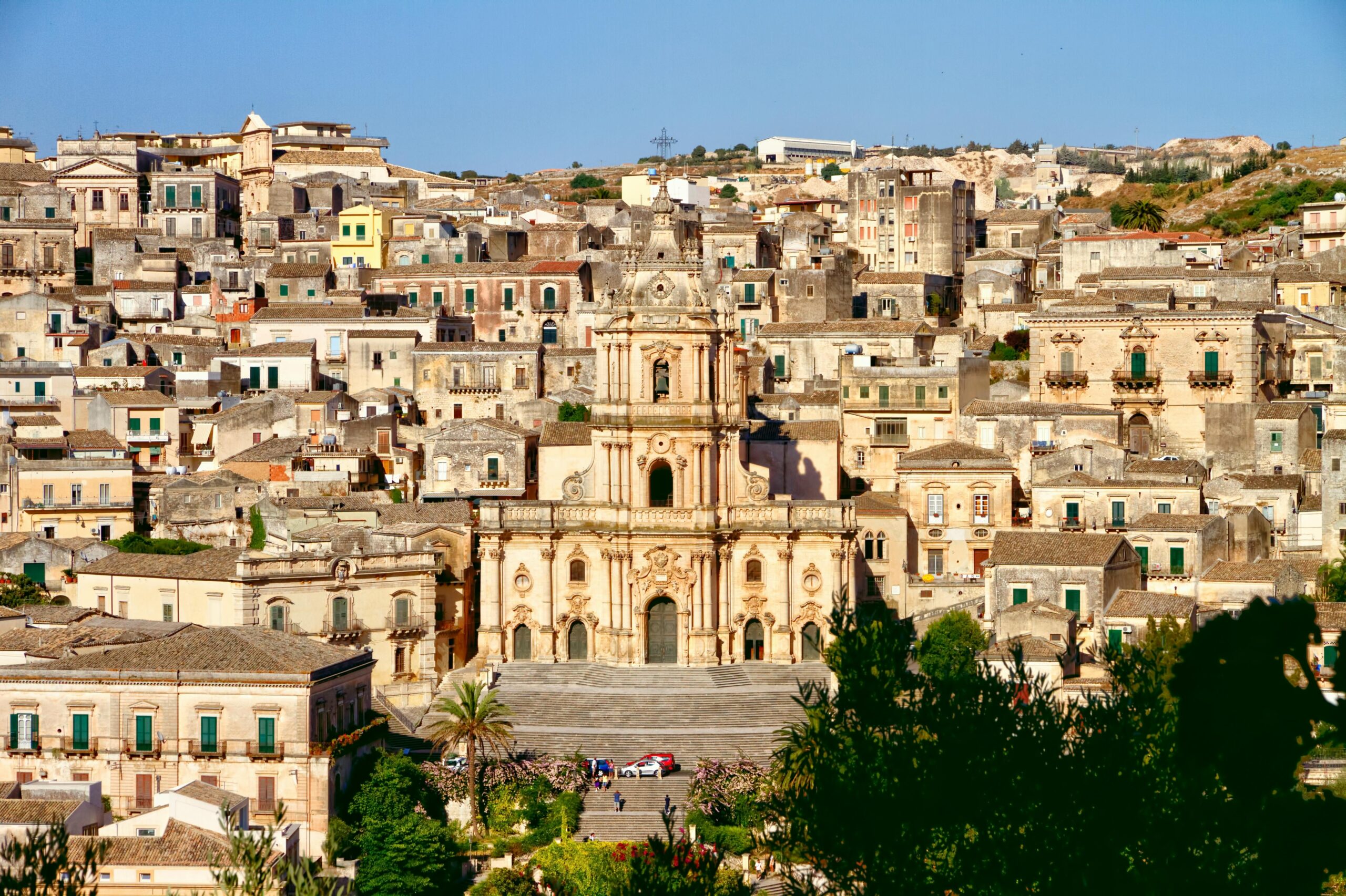
After the terrible earthquake of 1693, southeastern Sicily rose like a phoenix. Ragusa Ibla, Modica, and Noto are jewels of golden stone. The curved facades and grotesque masks on balconies are expressions of theatrical opulence. Therefore, every corner of these cities feels like an open-air movie set.
7. The Minor Islands: Miniature Paradises
Surrounding Sicily are extraordinary archipelaghi. The Aeolian Islands, with their wild and volcanic spirit, and the Egadi Islands, with the turquoise sea of Favignana, offer refuges far from modernity. Flying to Sicily gives you the chance to hop from one island to another, discovering intact maritime traditions.
8. Traditions and Festivals: Living Folklore
The Sicilian people are deeply connected to their roots. Participating in these celebrations allows one to understand the truest and most visceral soul of the island. The Holy Week processions or the Festival of Saint Agatha in Catania are powerful manifestations of collective identity.
9. Nature Reserves and Biodiversity
Zingaro, Vendicari, Torre Salsa: Sicily protects its natural treasures fiercely. Trekking enthusiasts will find trails overlooking the sea. In addition, these reserves are vital stops for migratory birds, making the island a reference point for international birdwatching.
10. Hospitality and Human Warmth
Finally, the most important reason: the Sicilian people. Hospitality is sacred in Sicily, a heritage dating back to the Greek concept of Xenia, or ritualized guest-friendship. Being welcomed with a smile and an invitation to the table is the norm. In short, Sicily does not just host you; it adopts you.
Conclusion
In conclusion, choosing to fly to Sicily is a gift every traveler should give themselves at least once. It is an island that knows how to surprise, move, and satisfy every desire for beauty. Whether you are a history buff or a relaxation seeker, Sicily awaits you. What are you waiting for? Book your next flight and let yourself be enchanted.
FAQ
When is the best time to fly to Sicily? Spring and autumn are ideal for cultural tours, while summer is perfect for the beach.
What are the main airports? The primary airports are Catania (CTA) and Palermo (PMO), followed by Trapani and Comiso.
Do I need a car to travel around Sicily? While trains connect major cities, renting a car is highly recommended for exploring rural areas and nature reserves.






Really great read — I appreciate how clearly you explained the importance of local online presence for businesses today. It’s a topic many companies overlook, i find it very interesting and very important topic. can i ask you a question? also we are recently checking out this newbies in the webdesign industry., you can take a look . waiting to ask my question if allowed. Thank you