
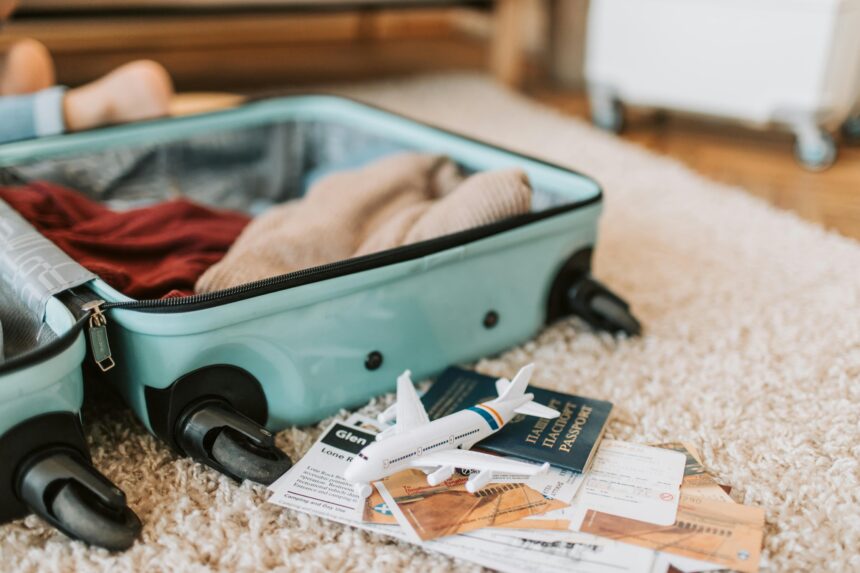
It’s pretty much a travel nightmare seeing the luggage carousel stop and people walk away while you are stuck in the empty arrivals hall. It doesn’t matter if you just got off the plane in the tropical heat of Thailand or the freezing cold of the Portuguese coast. Your stress level will increase when you realize that your suitcase did not make the trip with you. Getting luggage that is lost or delayed is a common travel thing. It happens because of rushed connecting flights, problems with the luggage sorting system, or the overwhelming amount of bags at busy travel times.
It’s understandable that you are upset, but try to stay calm. There is a high probability that your bag is delayed and will be returned to you within the next two days. Quickly processing the situation is essential for keeping your stress levels low. Experienced travelers tend to insure lost luggage before traveling as they can avoid high costs of purchasing items while away from the luggage. Lost luggage travel insurance will replace lost luggage, provide emergency funds, and address items in your luggage.

Report the Issue Immediately at the Airport
The biggest rule about lost luggage is that you can’t leave the airport without filing a report. Once you realize that your luggage is not there, you must go to the airline’s Baggage Service Desk located near the luggage carousels.
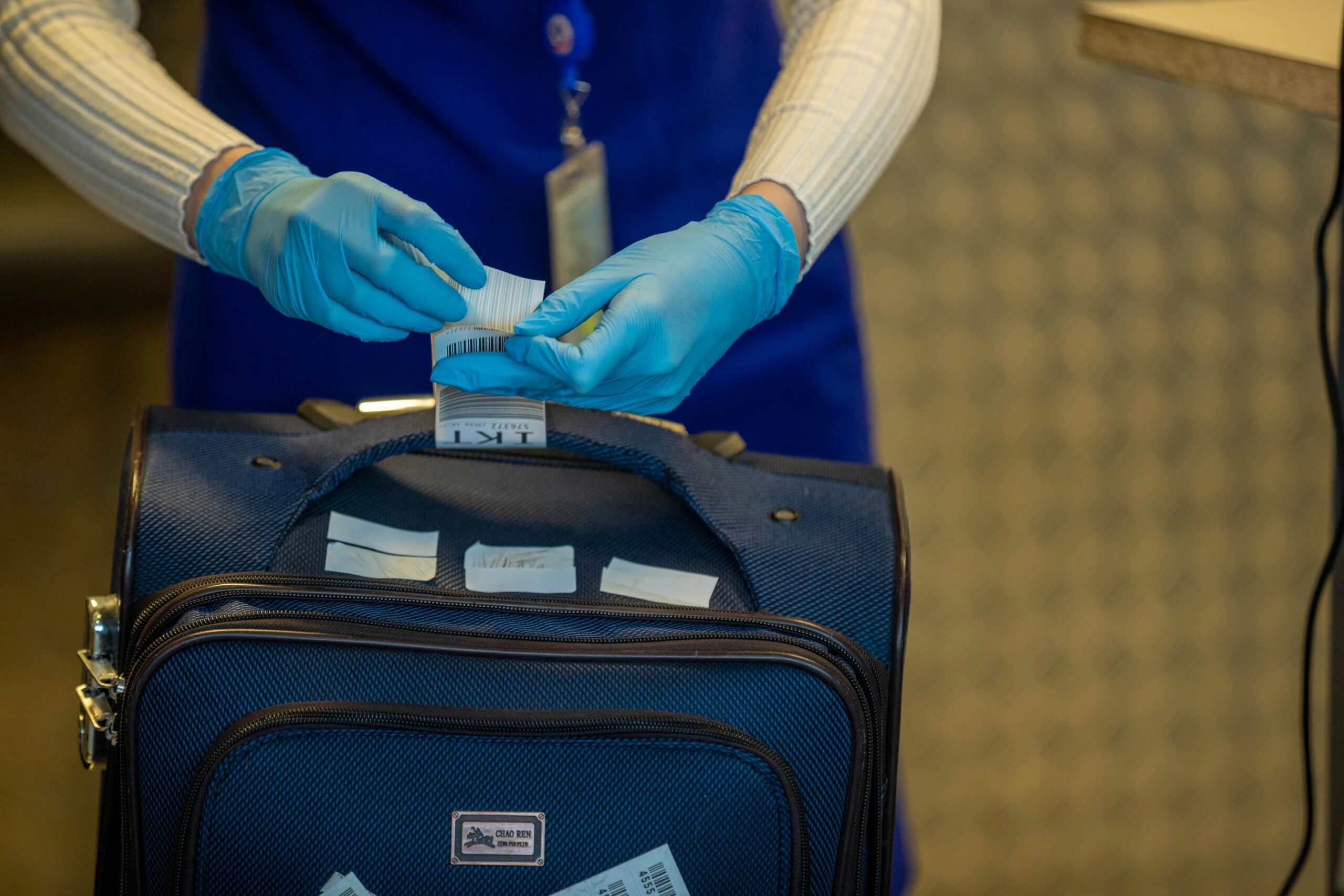
Their job is to help you create a Property Irregularity Report Operative, which is a part of the global tracking system. Be as detailed as you can about the bag’s description (color, brand, size, ribbons, stickers, etc.).
- The hotel address you will be staying at is a requirement.
- Finally, get a copy of the report along with a reference number (10-digit code).
Keep All Documents and Baggage Receipts
The most important thing to do is keep any valid paperwork. The period when you check in until the time you get your lost bag back is when you will have to be especially protective of your airline paperwork. The airline will ask for proof in order to retrieve your lost bag or in order to issue a claim. Proof that you boarded is your:
- Your boarding pass, and the baggage claim tag which is usually located behind the passport or boarding pass.
- Copy of your PIR: Proof that the report was submitted on time.
If you have to buy emergency stuff, keep all the paper receipts. Some airlines still require the original receipts for reimbursement, even if you take a picture of the receipt as a backup.
Know the Difference Between Delayed and Lost Luggage
Airlines take a few days before officially declaring a bag “lost.” During the time that they are still searching for the bag, they classify the bag as “delayed.” Their goal is to find the bag before it has to be placed on a flight.
Most airlines will only officially classify a bag as “lost” after 21 days of it being missing. Once they reach that point, the search is over and they will only deal with possible compensation. This is how the compensation goal is set. It is all about the search and not about the compensation. There are no fights about checks, only fights about the search.
Check Your Bag With The Airline
If you have a major airline, you are able to check the status of your baggage right from your phone. With the tracking number from your PIR, you can check the status of your baggage by going to the airline’s website. If your bag status is “In Transit”, that means it has been found and is being transported to your final destination.
You do need to check the app. If it has been over 24 hours and there is no update, you should reach out to the baggage desk. Most people are really polite, but being polite and a little annoying goes a long way to help ensure that your bag is a priority to the team handling the bags.
Understand What the Airline Will Pay For
While you are away from your home airport, the airline will most likely cover reasonable meal expenses due to the delay. The airline will pay for the cost of:
- Basic toiletries, such as toothbrush, toothpaste, and deodorant.
- Clothes such as underwear and a change of clothing for a work meeting or for the climate.
The word reasonable is key here. The airline will not reimburse you for a business suit if you went to a tropical destination. Your bag being delayed for more than a couple of days is likely. Most people need a change of clothes. Check the airline’s policies online. Each airline pays a daily limit and has policies.
Keep Following Up If Your Bag Fails To Be Located
The time limit for every airline’s search for the bag’s location is 21 days. Once that period is over, you can legally claim lost baggage under the Montreal Convention. The airline’s responsibility comes with a monetary cap – somewhere near $1,700 (this amount is prone to change).
In order to back up a claim, you are required to provide:
- An itemized account of every piece in the bag.
- An estimate for each one of the items.
- If you happen to have original purchase receipts for the valuables, that is ideal (most people don’t. So, pictures of the items can be helpful).
Smart Packing To Avoid Problems On The Next Trip
Although you have no control over how the airline’s baggage people treat the bags, you do have control over how you prepare.
- Use Smart Tags: With Apple AirTags or Tiles, you have the capability of tracking your bag. You will know where your bag is before the airline does.
- Label Internally and Externally: Your exterior labels may be ripped off, so put a piece of paper with your contact info, or a business card, in the suitcase.
- The 24-Hour Rule: Pack a change of clothes, your carry-on should have essential medications as well as chargers. If your checked bag goes missing, you can survive comfortably for the first day.
- Photograph Your Bag: Before checking your bag, take a photo of the outside (for identifying) and the inside (for proof of contents).
Stay Ready and Feel Good About Your Trip
While lost luggage is a major inconvenience, it can still be an enjoyable trip as long as you act quickly at the airport, keep your documents organized, and know your rights regarding reimbursements. Most bags eventually find their way to their rightful owner, so the goal is to keep you comfortable and protected.