By using this site, you agree to the Privacy Policy and Terms of Use.
Accept
Travel Radar - Aviation NewsTravel Radar - Aviation News
  • Breaking News
  • Aviation
    • Aircraft
    • Airlines
    • Airshow & Events
    • Careers
    • Manufacturing
  • Travel
    • Airports
    • Points & Loyalty
    • Technology
    • Trip Reviews
  • Newsletters
  • Aircraft for Sale
Reading: What Is The Current Situation Regarding Economy Class Syndrome?
Share
Sign In
Notification Show More
Font ResizerAa
Font ResizerAa
Travel Radar - Aviation NewsTravel Radar - Aviation News
  • Breaking News
  • Aviation
  • Travel
  • Newsletters
  • Aircraft for Sale
  • Breaking News
  • Aviation
    • Aircraft
    • Airlines
    • Airshow & Events
    • Careers
    • Manufacturing
  • Travel
    • Airports
    • Points & Loyalty
    • Technology
    • Trip Reviews
  • Newsletters
  • Aircraft for Sale
Signin Sign In
Follow US
Copyright © Travel Radar Media Ltd. 2025 | All Rights Reserved
Travel Radar - Aviation News > News > Aviation > What Is The Current Situation Regarding Economy Class Syndrome?
AviationTravel

What Is The Current Situation Regarding Economy Class Syndrome?

Amuthan Chandrarajan
Last updated: 12 March 2025 19:18
By Amuthan Chandrarajan
6 Min Read
Share
ba19
© British Airways
SHARE

Economy class syndrome is a condition also known as travel related Deep vein thrombosis, which forms as a result of blood clots in the veins (blood vessels that take blood to the heart back from other parts of the body). These clots are essentially blockages which prevent blood from flowing through the blood vessels.

Summary
Risk FactorsPreventative StrategiesAreas For Airlines to Consider

The veins affected are usually in the legs. As a result, a sufferer of economy class syndrome can experience pain, aching, discolouration or swelling in the affected leg. This can also be life threatening if the clot were to move to blood vessels supplying the heart or lungs. If this were to become the case, the sufferer can experience shortness of breath, difficulty breathing or chest pain.
ba20
Economy class syndrome usually affects the legs .© British Airways

Risk Factors

Risk factors for economy class syndrome include being obese which is a situation where people are very overweight. Obese people have a BMI (Body Mass Index) of 30 or more.  In order to calculate your BMI, you must divide your weight in kilograms by your height in metres squared. There is also a BMI calculator on the NHS website. Obesity reduces the ability of blood to flow around the body and is therefore more likely to stagnate and form clots in areas further away from the heart. Legs can be particularly affected as the body has to effectively work against gravity for blood to flow through the veins and return to the heart.

Certain treatments such as Hormone Replacement Therapy and oral contraceptives can also increase risk. In addition, there are also blood clotting disorders such as thrombophilia which can be inherited or acquired later in life, as well as predominantly inherited conditions which cause an imbalance in clotting factors in the blood such as protein C, protein S or antithrombin deficiencies which can increase risk. Longer flight times also put people at greater risk of economy class syndrome. Passengers flying for over 8 hours have a 0.5% chance of developing the condition.

Preventative Strategies

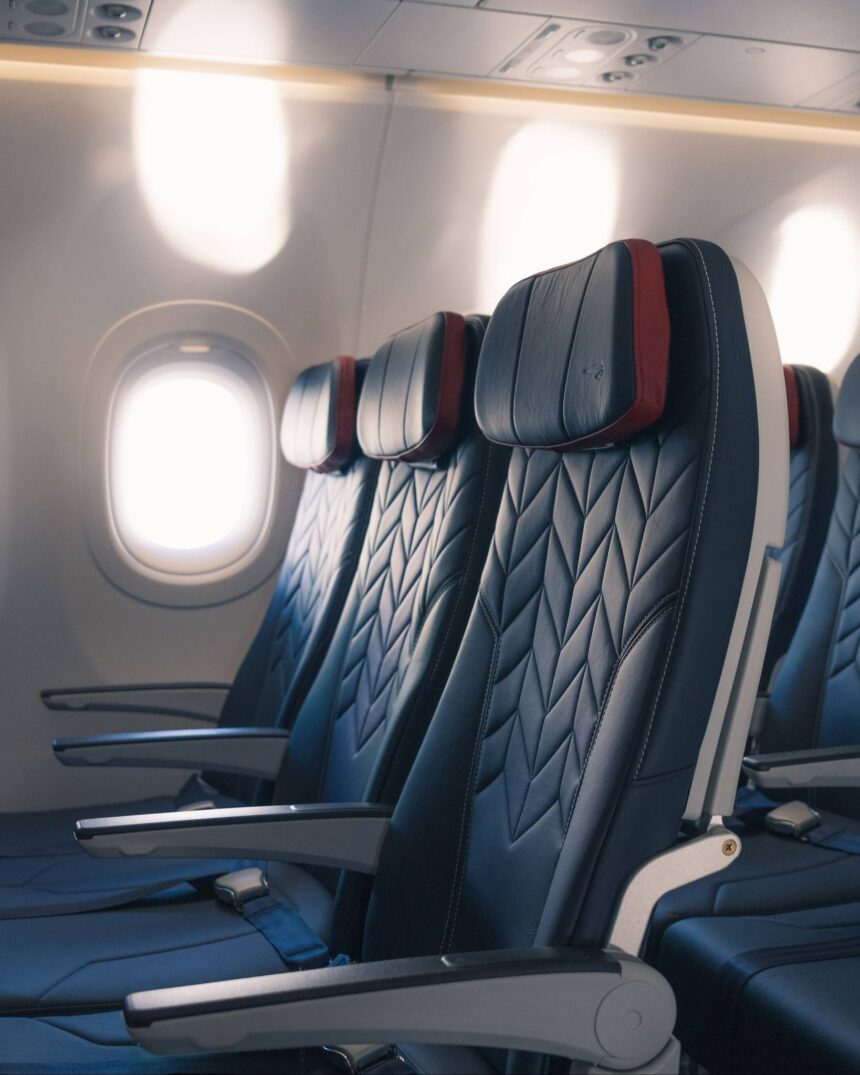
Flight cabins can be cramped places. After sitting for long periods blood can pool up in the veins making it more likely for clots to form. This means that leg exercises on the flight can increase the flow of blood around the body which reduces the occurrence of economy class syndrome. Compression stockings can also help in increasing blood flow through the veins in the legs.

In addition, the consumption of alcohol and tea and coffee can also increase the likelihood of economy class syndrome as they can cause dehydration (loss of fluids from the body) which makes blood thicker thereby increasing the risk of blood clots forming.
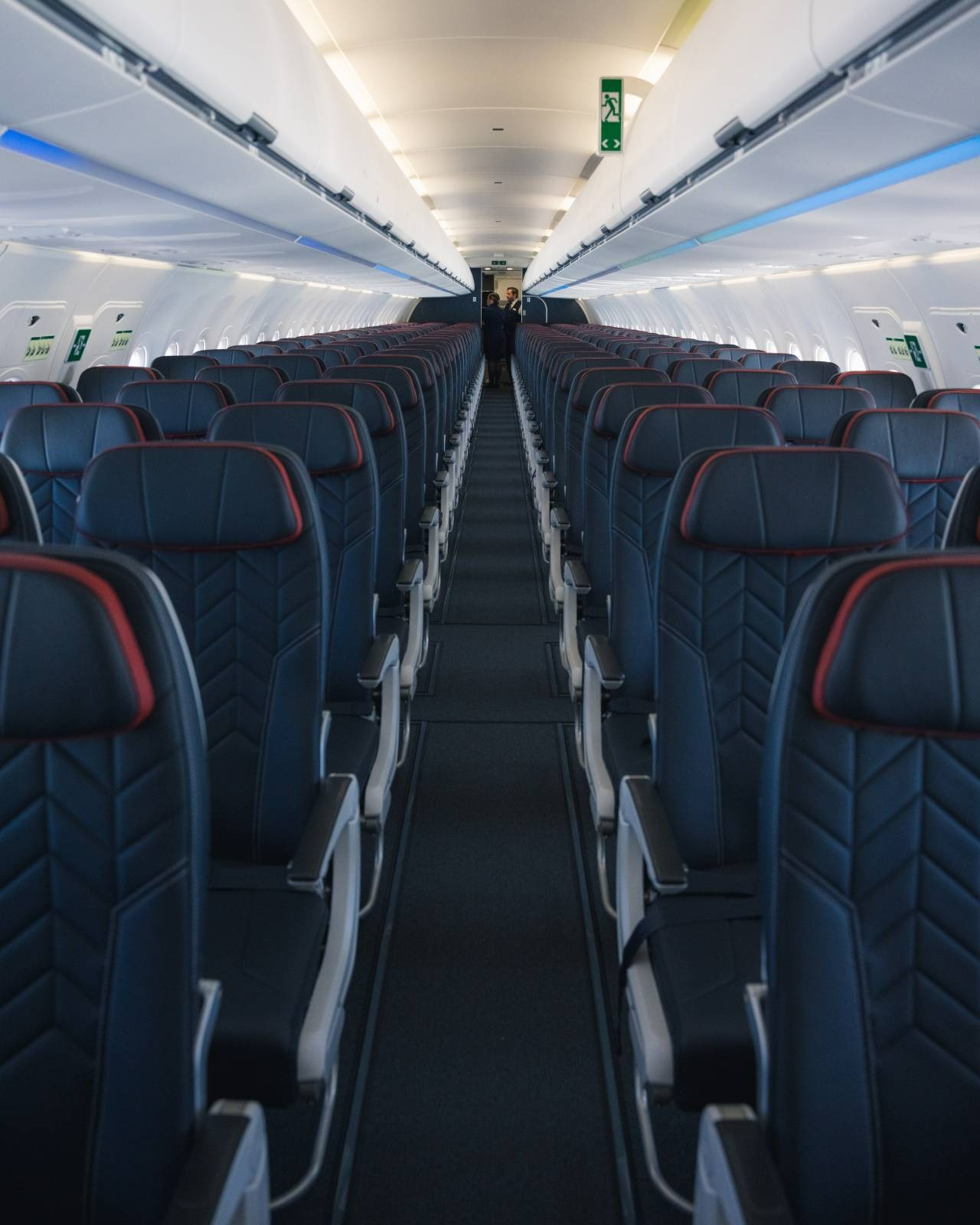
ba18
Flights cabins can be cramped. © British Airways


Areas For Airlines to Consider

Airlines appear to be aware of economy class syndrome and do provide general advice to customers about it. Customers are encouraged to keep well hydrated and to exercise their legs on flights. Airlines also give advice on seat selection encouraging the use of aisle seats to allow for easier movement during the flight. They also advise to store hand luggage in overhead cabins rather than under the seat to maximise legroom.

There are however ways airlines could potentially improve in this area. As discussed, there are risk factors which increase the chance of developing economy class syndrome. Perhaps if airlines were to identify those at risk and offer them aisle seats or other seats such as those at the front of the cabin which may offer more legroom, cases of travel related Deep vein thrombosis would decrease. Airlines could achieve this by asking relevant questions at the time of booking so risk factors could be taken into account with seating arrangements. In addition, cabin crew would also be aware of passengers’ conditions should they need assistance.

As one can see therefore, economy class syndrome is a condition that the aviation industry is aware of and does provide passengers with information about. However, there is the potential of providing more help with this condition to minimise the risk of it developing. We will have to wait to see how this progresses.

So on the whole airlines are making people aware of economy class syndrome but more can be done to prevent it. What are your views on economy class syndrome and what more could airlines do to minimise its occurrence? Share your answers in the comments below.


 

You Might Also Like

Passengers Panic at Mexican Airports After Cartel Leader Killed
TUI Summer Bookings Fall as UK Travellers Delay Holidays
Extreme Weather causes Chaos at Bristol Airport
Alaska Airlines Non Stop Route From Seattle To Seoul
Ryanair Confirms Major Shannon Airport Expansion and Academy
Share This Article
Facebook Twitter Email Copy Link
What’s your thoughts?
Love0
Sad0
Happy0
Angry0
ByAmuthan Chandrarajan
Aviation Reporter — Amuthan brings a strong background in both residential and commercial real estate, complemented by a deep passion for aviation and travel that has taken him to numerous countries around the world. With a solid foundation in business and finance and a Master of Business Administration degree, he combines analytical insight with a global perspective in his reporting.
Previous Article Airbus A220-300 airBaltic Airline Expansion: Record Growth in February 2025
Next Article airBaltic in the snow airBaltic prepares to resume flights to Ukraine
Leave a Comment

Leave a Reply Cancel reply

Your email address will not be published. Required fields are marked *


Stay Connected

FacebookLike
TwitterFollow
InstagramFollow
YoutubeSubscribe

Trending News

Photo of a Daher aircraft in the sky above the sea facing eastwards
Daher Kodiak 900 Expands into Europe
Aircraft Airshow & Events
Side view of an American Airlines narrow‑body passenger jet in flight, identified as an Airbus A320, descending with landing gear extended. The silver-grey fuselage carries the “American” name in dark lettering, while the tail features the airline’s red, white and blue striped design. The aircraft is lit by warm, low sunlight against a softly clouded sky, with both engines and wing details clearly visible.
American Airlines to New Flights in January 2027
Airlines Route Development
Two Air New Zealand aircraft on airport taxiways, including a De Havilland Q300 turboprop in the foreground and an Airbus narrowbody aircraft in the background, with airport buildings and residential areas visible beyond the airfield.
Air New Zealand Q300 Incident Prompts Safety Findings
Airlines Incidents & Accidents
An up-close image of the outside of the entrance of Doncaster Sheffield Airport. The building is made of glass panels which reflect the sky and clouds. Viewable is white lettering that says 'Doncaster Sheffield'.
UK’s Doncaster Sheffield Airport set to become publicly owned
Airports Aviation
An air traffic controller from Switzerland's Skyguide working in the airport tower of Zurich.
FAA wants ownership stake in Air Space Intelligence
Airports Aviation Technology

Travel Radar is the leading digital hub for all things aviation and air-travel. Discover our latest aviation news, aviation data, insight and analysis.


Discover

  • Latest News
  • Subscribe
  • Weekly Digest
  • Contact Us
  • Privacy Policy
  • About Us
  • Advertising
  • Media Coverage
  • Press & Events
  • Join Our Team
  • Our Brands

Signup to our Newsletter!

And get the latest aviation news via our weekly news digest!

© Travel Radar Media Ltd. 2015-2026 | ISSN #2635-0696 | Trademark #UK00003579704
adbanner
Welcome to the TR Community!

Sign in to your account

Not a member? Sign Up