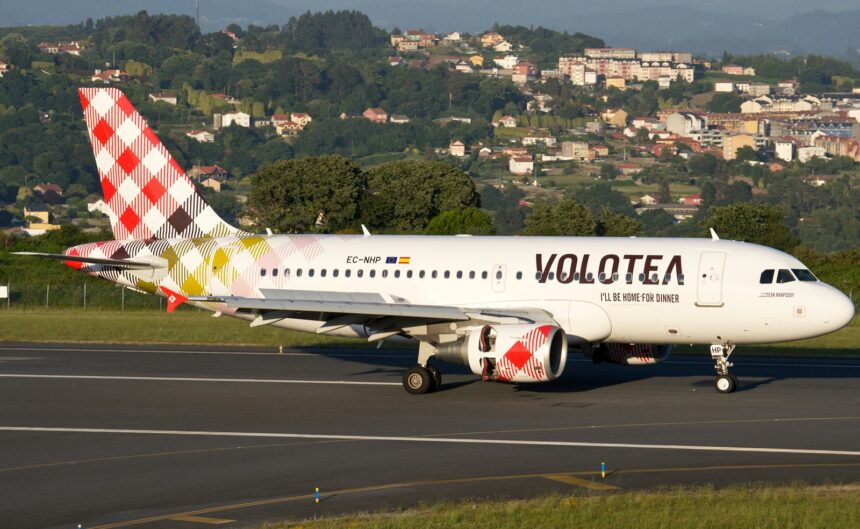
Spanish low-cost carrier Volotea is restructuring as it prepares to shrink its fleet and pursue a capital increase. The airline points to the Middle East conflict and the resulting rise in jet fuel prices as the main trigger.
Fleet and Financial Restructure
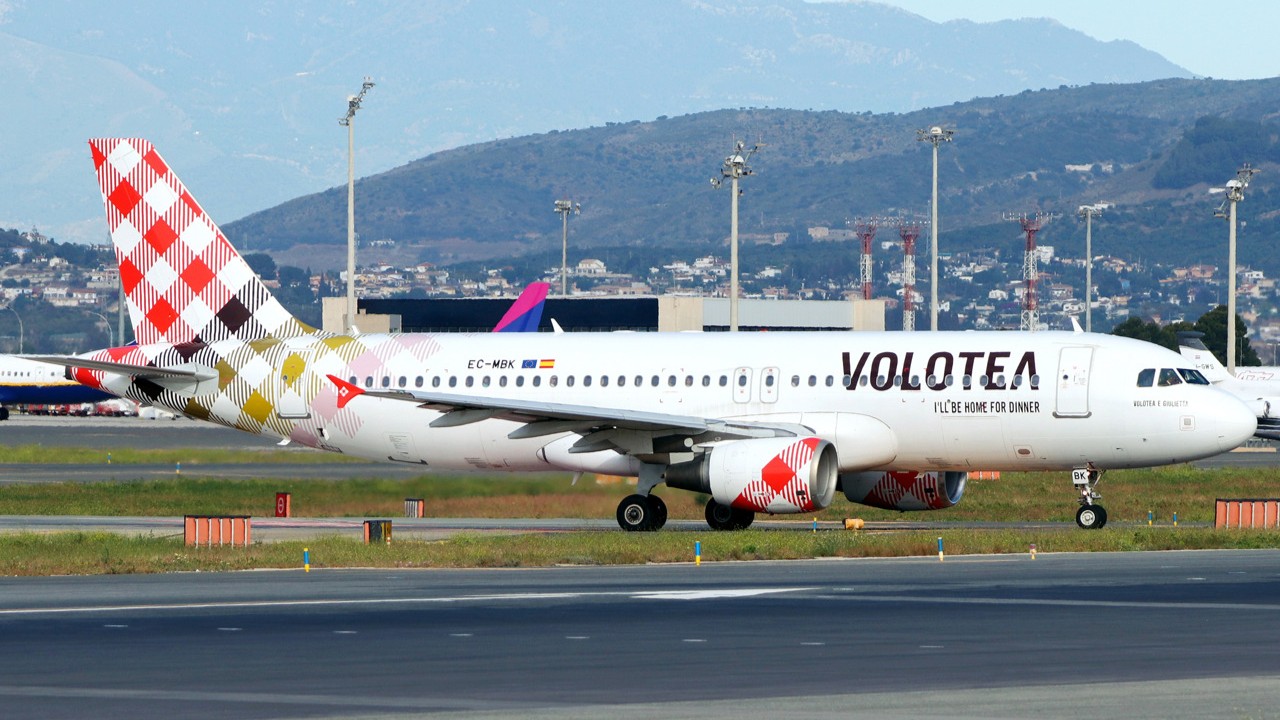
According to ch-aviation data, Volotea operates a fleet of 16 A319-100 and 25 A320-200 aircraft, with an average fleet age of more than 18 years. Under its proposed restructuring plan, the fleet would be reduced to between 30 and 35 aircraft.
In 2022, Volotea received 200 million euros from SEPI, a state-owned holding company that supported the carrier after COVID-19 travel restrictions. Reports suggest that Volotea is now seeking to reschedule repayment of the loan, which is due in 2029.
The carrier is additionally seeking to raise capital to strengthen its long-term financial stability. Greek hybrid carrier Aegean Airlines invested a 13% stake in Volotea in September 2024 and increased its holding to 20% in March 2026.
Industry speculation has suggested that Aegean Airlines could take full ownership of the airline, though the airline has denied the rumours.
The Core Problem: Fuel Price
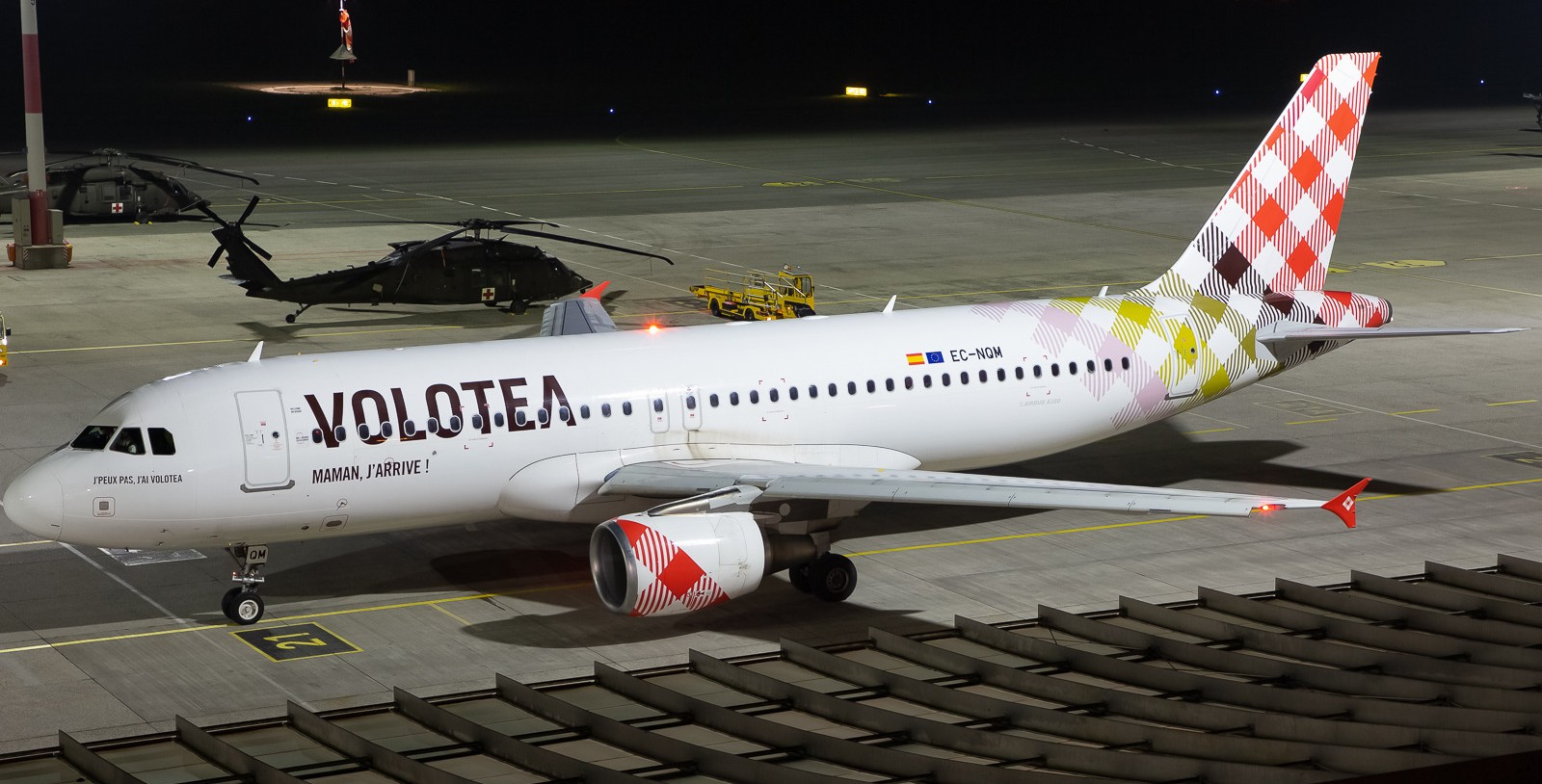
At the centre of Volotea’s restructuring crisis is a response to a sudden cost shock driven by rising fuel prices. Industry reports highlight that the Iran conflict and tensions around the Strait of Hormuz have pushed jet fuel prices from $800 to around $1,300 per metric tonne this year. Volotea estimates that the fuel price crisis has added around 150 million euros to its annual costs. The carrier cites the Middle East conflict as a key factor, despite recording three consecutive years of operating profit.
For now, Volotea’s capacity and route network remain unchanged, and existing tickets remain valid. The airline has not announced any plans to cut routes or reduce frequencies.
Do you think Volotea’s restructuring will be enough to secure its long-term financial stability? Let us know in the comments below.