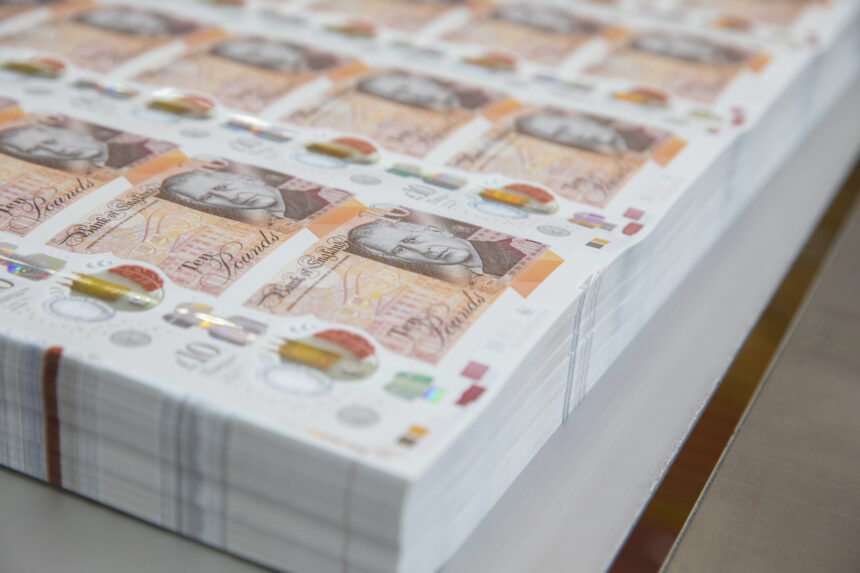
The Bank of England has confirmed that pound sterling’s exchange rate has reached its highest level in over ten years. This increases the spending power British tourists will have when converting their money into a foreign currency in order to spend money abroad. Experts believe that the rise in the exchange rates has been caused by favourable economic conditions in the UK, combined with political instability in the Eurozone.
Why has the UK’s Exchange Rate Risen?
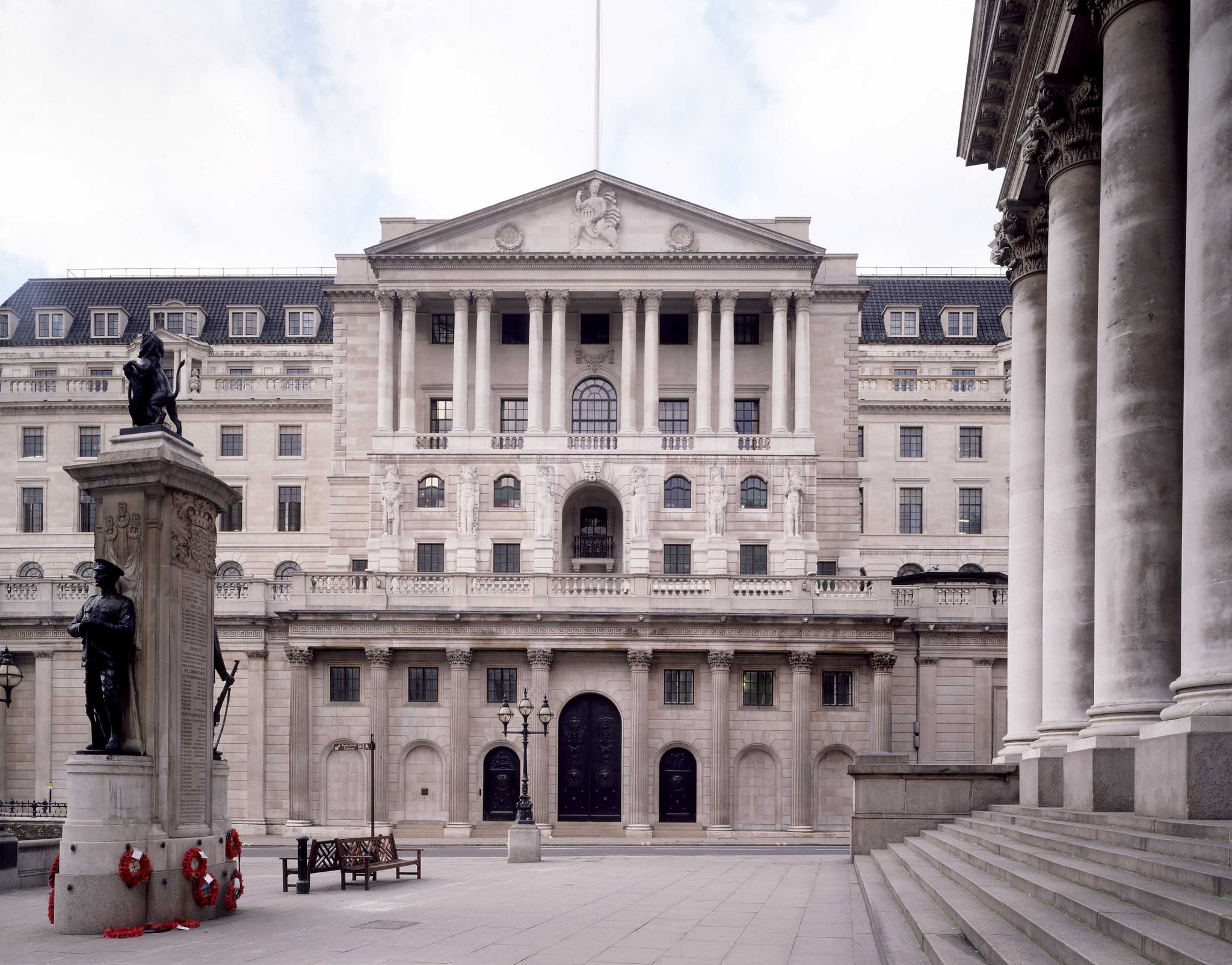
The Bank of England confirmed on Thursday Nov, 5. that its central measure for the pound’s exchange rate had reached its highest level since June 2016.
This measure involves comparing the value of pound sterling to a weighted mean of 18 other currencies, including the euro and the U.S. dollar.
Exchange rates typically rise due to high demand for that country’s goods, which can only be bought using that nation’s currency. As well as high interest rates, which encourage international savers to purchase the currency, and use UK bank accounts.
The pound’s exchange rate fell dramatically following the result of the EU referendum June. 23, 2016, and fell further as the UK experienced persistently high inflation in 2022.
Economist and former Treasury Minister Jim O’Neill has said that:
“[He’s] not surprised. People were, and to a lesser extent, are, underestimating the improving momentum in the UK.”
The Bank of England’s decision to raise the UK’s base rate of interest for the first time in three years, from 3.75% to 4%, may lead to further exchange rate rises.

What Does this Mean for Travellers?
The immediate consequence of a high exchange rate for the pound, is that the price of foreign currency has fallen for British tourists.
Simon Phillips is the managing director of No1 Currency, a provider of foreign exchange services, which is owned by Ireland-based financial services company Fexco.
Phillips has said that,
“The pound is now worth 5.6% more against the euro than it was at this time last year. This has given a significant boost to British travellers’ spending power.”
Higher exchange rates will also decrease the cost of flights if British tourists choose to book and pay for them using the currency of the nation they are flying to.
Travel to the UK may be reduced by the high exchange rates however, with international tourists choosing to prioritise travel to destinations where they would enjoy more spending power.
How Long will Exchange Rates Remain High For?
While the pound’s exchange rate has reached its highest level since the June 2016 EU referendum, it remains 13.6% lower than when the Bank of England first introduced its current measurement system in 2005.
Simon Philips believes that the pound’s exchange rate has risen partially due to the relative weakness of the euro, following the political instability in France and Germany.
He said that,
“Exchange rates can be volatile. If you’ve already booked a trip to one of these destinations but aren’t travelling from a few weeks, it might be worth exchanging some currency now to lock in the current favourable rate.”
The U.S. Federal Bank is next set to decide whether to change its base rate of interest Dec. 8-9, with the European Central Bank making a similar decision Dec. 16-17.
Both decisions could impact the exchange rate of their relevant currency areas, relative to pound sterling.
Are you planning to travel abroad soon? Do you plan to take advantage of the higher exchange rates? Let us know in the comments.