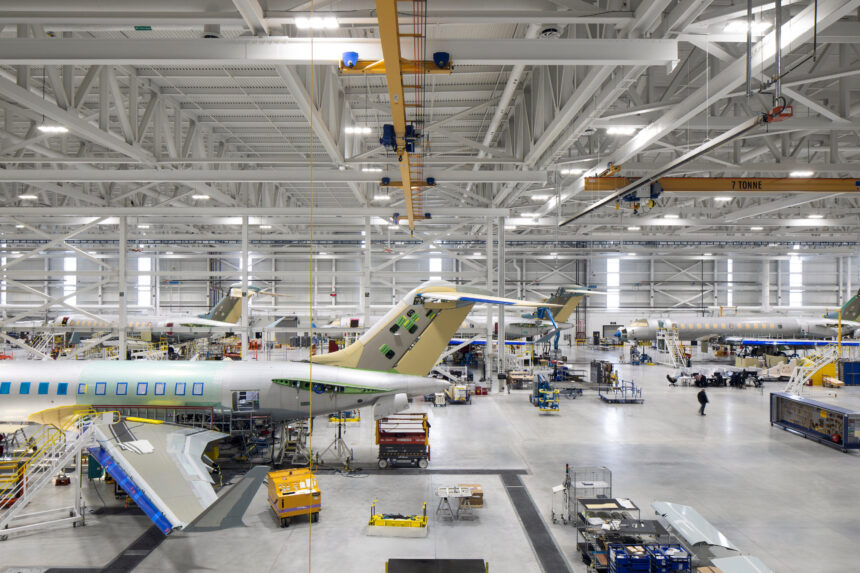
President Donald Trump has threatened to block Canadian aircraft manufacturer Bombardier from selling its aircraft in the United States unless the company begins manufacturing them domestically, adding a new aviation dimension to the escalating trade dispute between Washington and Ottawa.
Bombardier Already Has a U.S. Presence
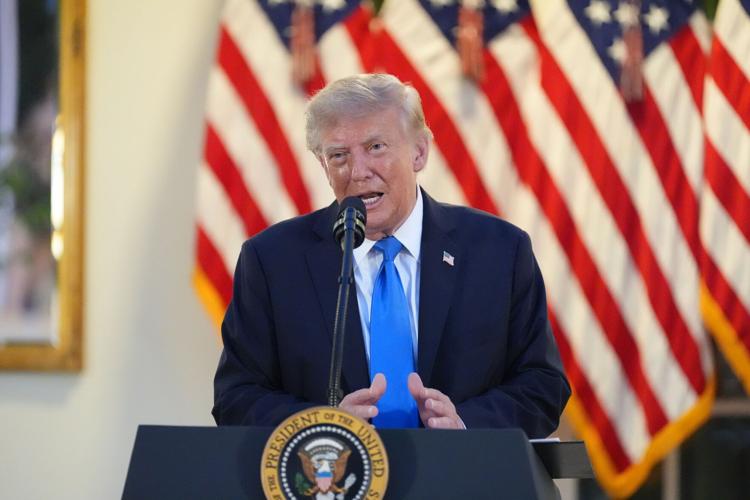
Trump made the statement on Monday, Sept. 7, in a post on Truth Social, saying Bombardier would no longer be allowed to sell in the U.S. unless it starts building aircraft in the country. In his statement, he also criticized the company’s products and accused Canada of treating the United States unfairly in trade.
It remains unclear how such a restriction would be implemented. Bombardier has yet to respond to Trump’s latest comments, and the White House has yet to provide details on what action the administration will take.
The Canadian manufacturer employs around 3,500 people in the U.S. and operates multiple facilities, including service centers and a defense operation in Kansas. About half of the 5,100 aircraft operated by Bombardier customers are located in the United States, according to Reuters.
That makes any attempt to restrict Bombardier’s access to the American market potentially more complicated than simply stopping aircraft imports from Canada. The company’s aircraft also incorporates components from U.S. suppliers, while its wider manufacturing and service networks span both countries.
Québec Government Backs Bombardier
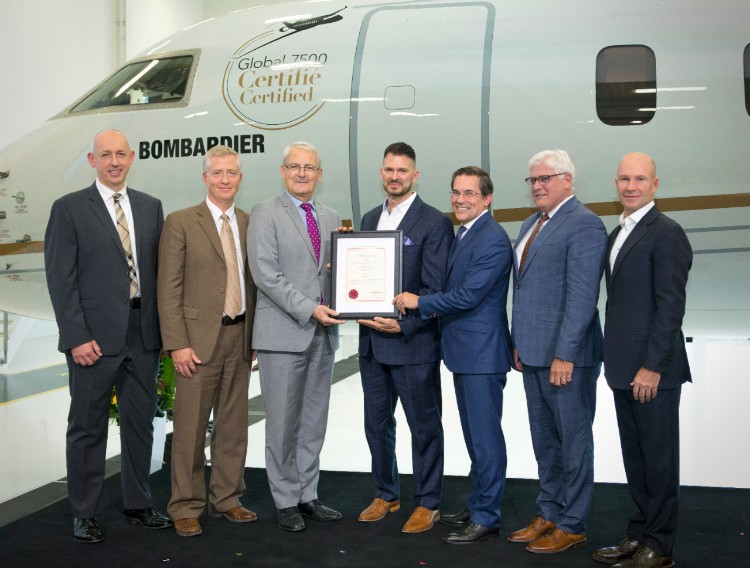
This is not the first time Bombardier has faced U.S. pressure. In January, Trump threatened to decertify Bombardier Global Express business jets and impose 50% tariffs on aircraft manufactured in Canada until Canada certified certain aircraft produced by U.S. rival Gulfstream. Neither measure was ultimately implemented, and Canada subsequently certified several Gulfstream aircraft.
The latest comments represent another escalation involving one of Canada’s most prominent aerospace manufacturers. While Bombardier itself has yet to respond publicly, Québec Premier Christine Fréchette has defended the company following Trump’s comments.
“Bombardier is a flagship company for Québec, bringing together expertise we’ve built up over the past decades,” the Coalition Avenir Québec (CAQ) leader said Monday afternoon in Quebec City during a public rally.
During the rally, she also said that Québec would not allow another government to dictate where its companies must manufacture in order to access a particular market.
This is the latest provocation from the U.S. president as Canadian retaliatory tariffs are set to take effect at midnight on Tuesday, Sept. 8. For now, the practical consequences remain uncertain but the dispute could have significant implications for the business-jet market.
How could potential restrictions on Canadian-built business jets impact cross-border corporate travel and aerospace manufacturing? Let us know in the comments below.