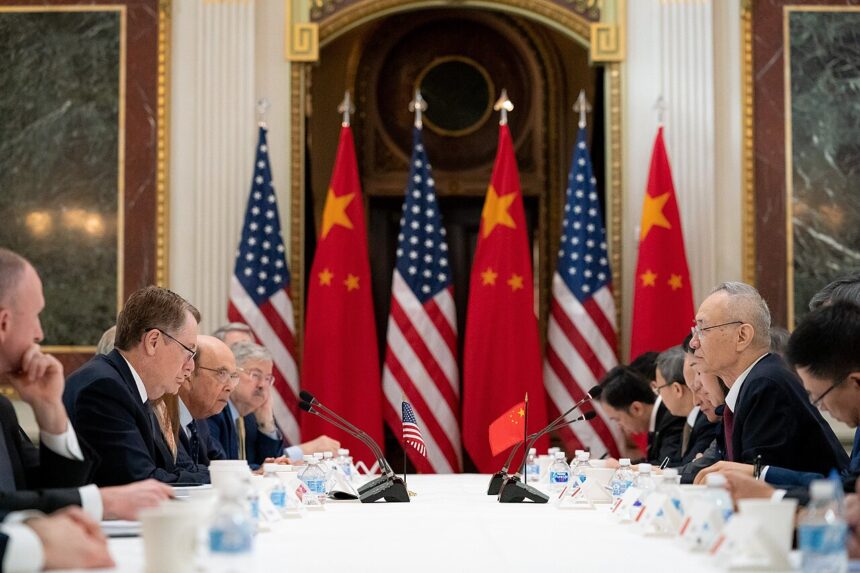
Talks come to a halt as the U.S. and Beijing are unable to agree upon a deal involving Boeing planes. China is trying to secure an enduring deal that includes long-term maintenance for the secured Boeings, but miscommunication seems rife as the deal appears to be breaking down.
China’s new expectation
China has introduced a new expectation from the deal, asserting that the U.S.’s long-term supply of engine parts for the Boeing planes would be guaranteed.
The White House claimed that this long-term maintenance was not a part of the original projected $17 billion to $19 billion agreement made in May 2026.
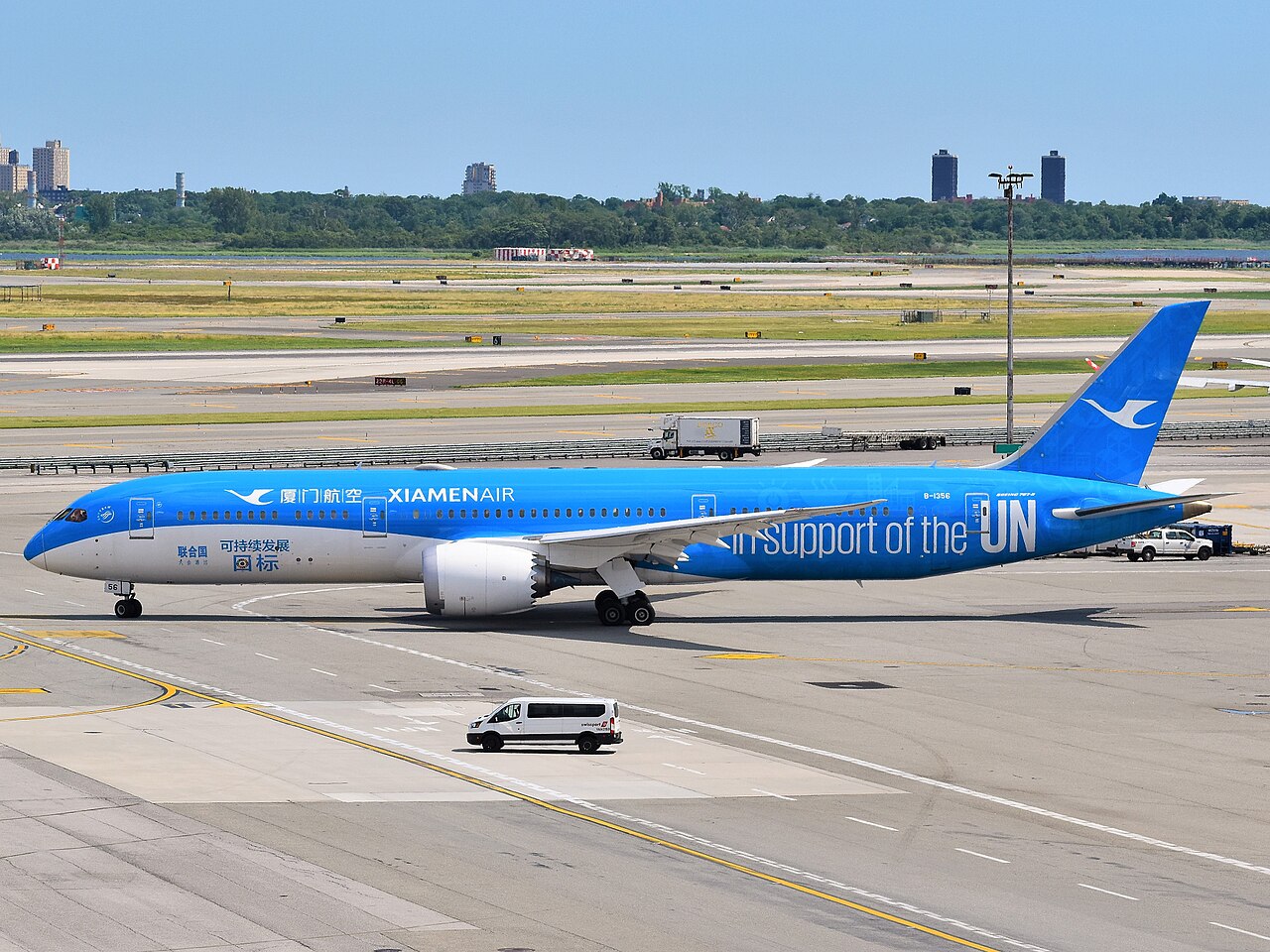
U.S. President Donald Trump had originally said that the offer could include the sale of up to 750 Boeing planes and would mark a major success. It would conclude the U.S.’s first Boeing order since November 2017, which included an order of 300 Boeing aircraft placed by China Aviation Suppliers Holding Company (CASC). This order featured models such as the B-737 and B-777.
Similarly, China seeks a comparable-sized order this time too, with said interest in 200 Boeing planes, which contradicts the U.S.’s seismic claim of the 750 Boeing planes to be offered.
Trade negotiations and Boeing tensions
China’s leader Xi Jinping and U.S. President Donald Trump have struggled to reach trade agreements in the past.
Recent restrictions on trade were imposed by China’s Ministry of Commerce (MOFCOM) and Ministry of Finance (MOF) on numerous American companies, including two that were producing rare earth minerals on June 22, 2026. This was in response to the United States Department of Defence (DoD) or Department of War (DoW) adding Chinese technology companies to its list of Chinese companies with supposed military ties on June 9, 2026.
Considerable tensions between the Boeing company and China are due to suspended deliveries and the decreasing number of Boeing aircraft orders. China’s interest in Boeing aircraft declined briefly after two notable Boeing 737 crash incidents in October 2018 and March 2019.
They resumed purchases in December 2023 before once again pausing in April 2025 in reaction to the U.S. tariffs.
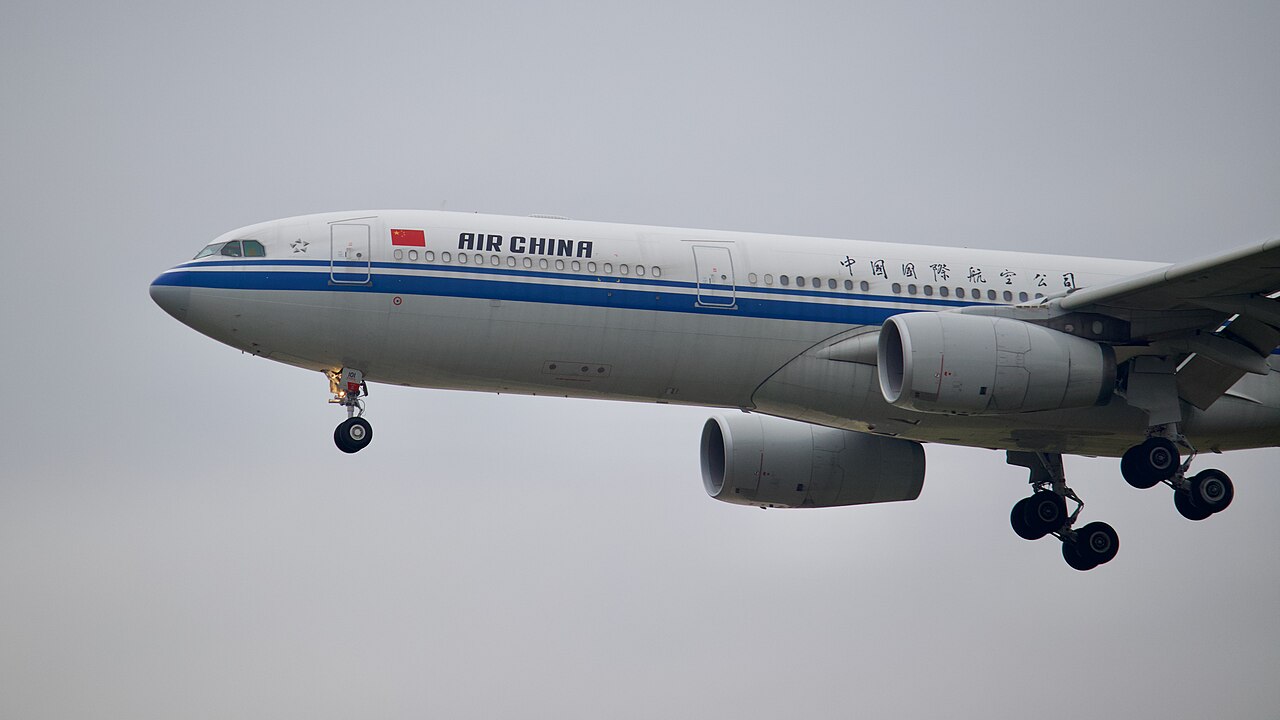
European aerospace corporation Airbus has made the most transactions with China. They make up most of their demand and supply base in relation to aviation. This is reflected in their 55% market share in mainland China.
If the new deal goes ahead, it could secure Boeing’s presence in Beijing once again.
What do you think of this deal? Let us know in the comments!