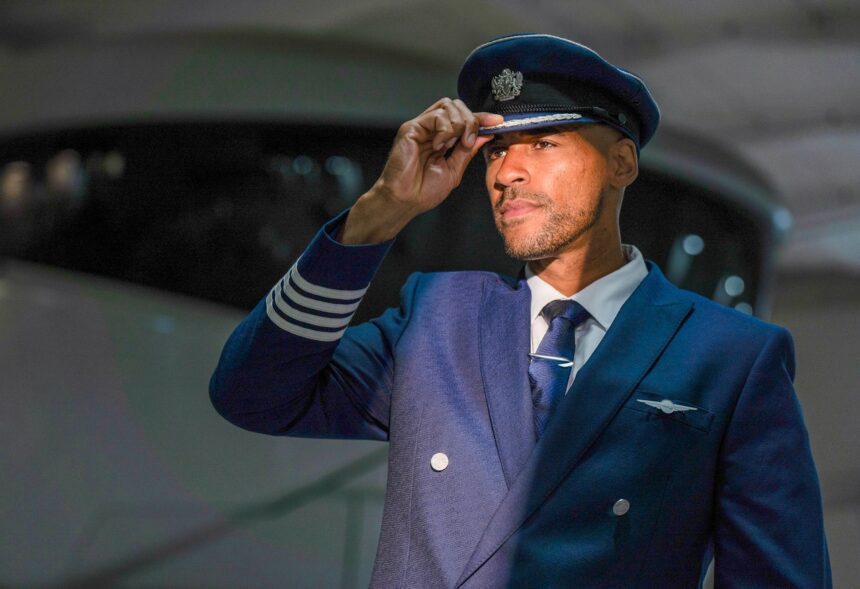
Being a pilot is a highly respected and prestigious role, but it is equally demanding and cyclical, and nowadays, pilot training is increasingly expensive. Attaining the role of a pilot comes with the travel benefits and high earning potential that lure many in. However, pilot training requires extensive time, resilience and a hefty initial investment that many cannot afford.
The Pilot Paywall
Individuals looking to begin pilot training face obstacles before their careers can even take off, as training fees are astronomical. Despite surging passenger demand, aspiring pilots are prevented from entering the profession because they cannot afford the large sums required. Unlike similarly highly paid and renowned professions such as medicine and law, for which fees can be paid in instalments over the duration of university, pilot training is handled by private academies that require upfront payments. The figures can vary between £70,000 and as high as £150,000.
Therefore, this industry has been criticised several times for its exclusionary nature, making it only really accessible to wealthy individuals. Additionally, the UK government does not offer any support for aspiring pilots to enrol in pilot training. The UK student loan system does not cover those attending private institutions or non-university institutions. This leaves the financial burden completely in the hands of, often, young people, who are unable to meet such figures.
Funded Programmes
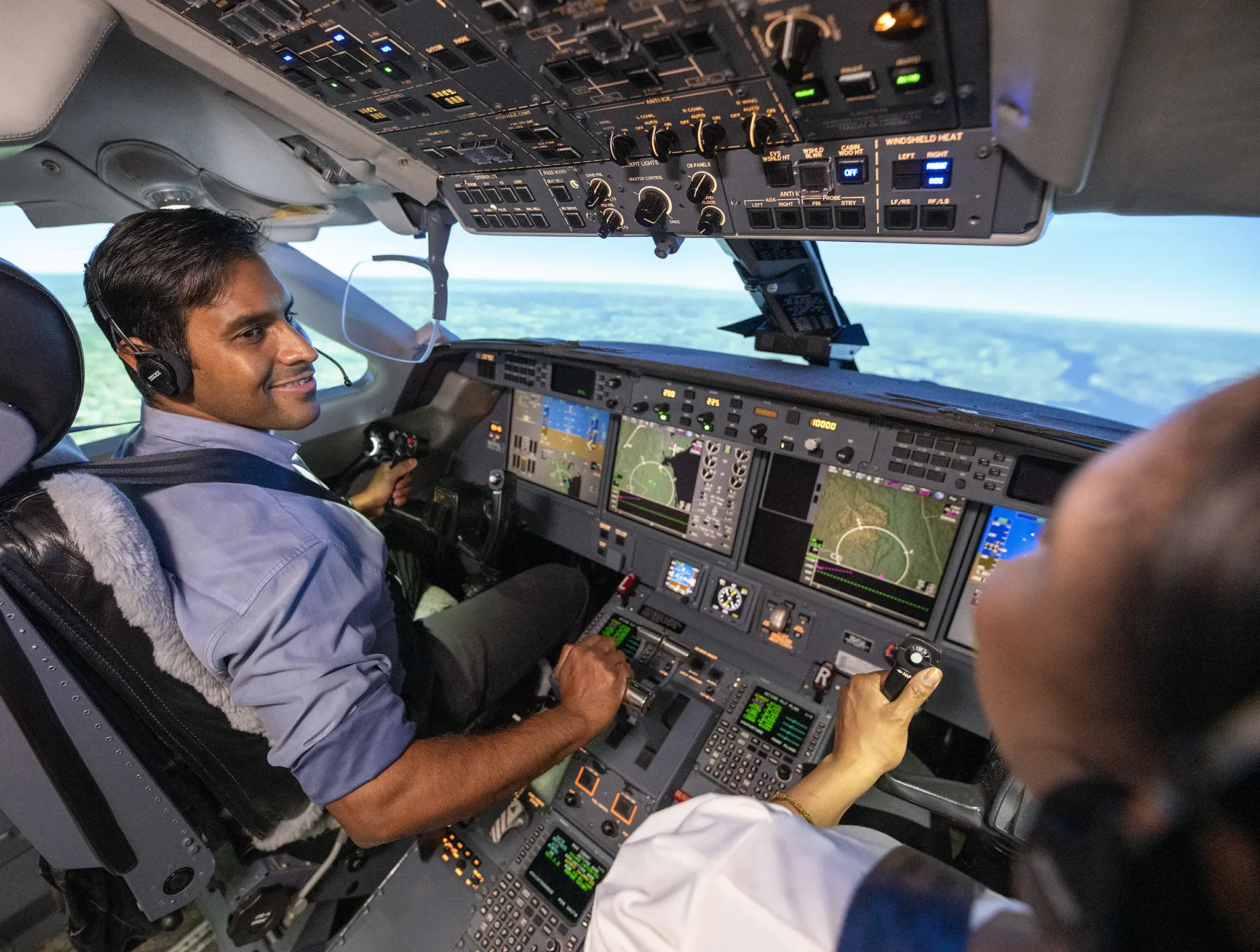
The British Airline Pilots Association (BALPA) has reported that for fully funded pilot training programmes, they receive over 100 applications per slot. Many of the fully funded cadet programmes are just like BALPA – oversubscribed, leaving those who get rejected not for lack of potential but simply capacity to take their expertise to another industry.
“More help needed for training professional pilots,” says BALPA.
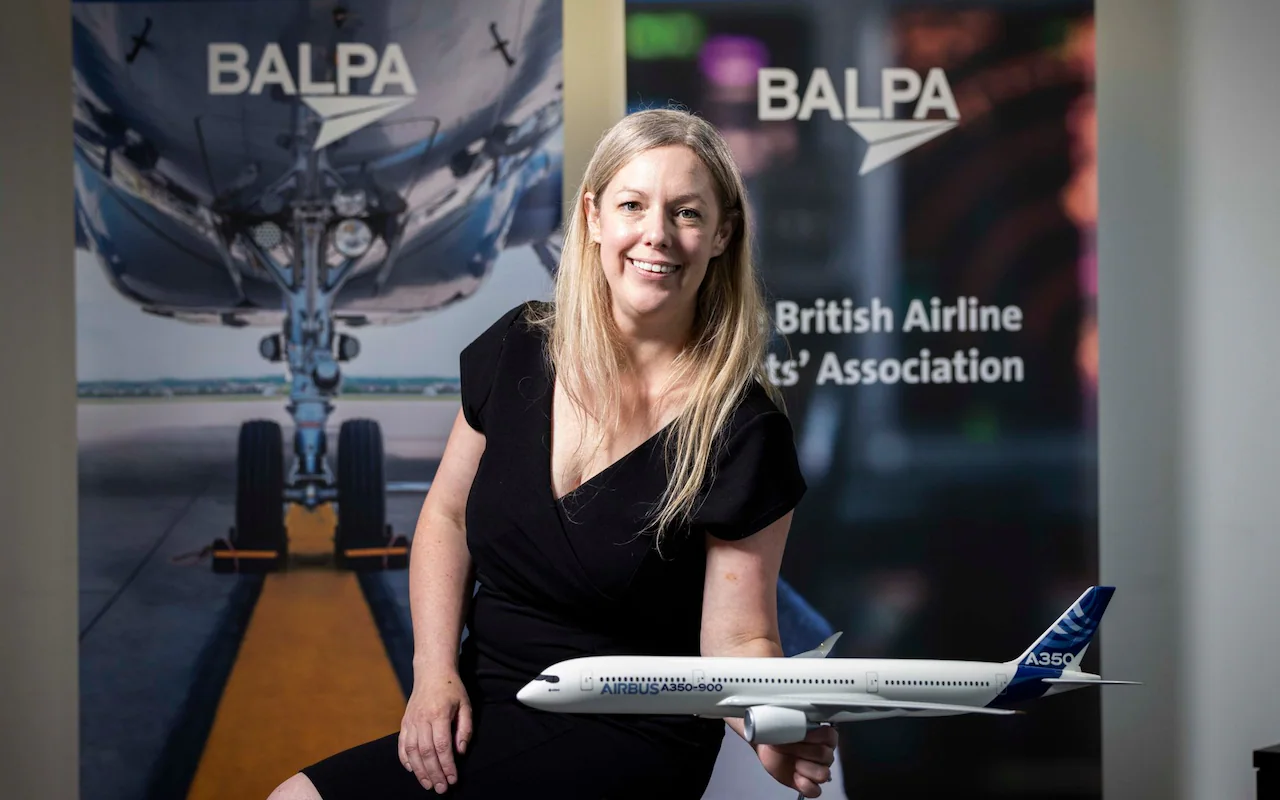
This reveals that if the UK Government wishes to restore its place as the first aviation hub in all of Europe, it needs to step in because private businesses can’t provide the full aid needed. Amy Leversidge, General Secretary of the British Airlines Pilots’ Association (BALPA), claims that without funding reform for pilot training, the economy could suffer even as aviation thrives in the UK. Leversidge is confident that the system produces excellent pilots, but does not allow for the full potential and talent to be explored due to the ridiculous paywall.
Future Shortages in Aviation
Oliver Wyman, an American management firm, says aviation is projected to face a shortage of around 19,000 pilots in Europe by 2032. The current cost pressures and unstable political climate can prolong cautious recruitment, which is contributing to this decline, and will compound future staff shortages.
It is also possible that this downward trend is seasonal and may shift if the economic and political climate were to stabilise, but the training fees remain high and unaffordable for many applicants.
Have you ever thought of becoming a pilot? Share your thoughts in the comments.