SpaceX have announced new prices of its Starlink plans after receiving complaints that they are too expensive. The company will also change the naming of the Starlink Wi-Fi plans, in order to better reflect how customers fly.

What is SpaceX Starlink?
SpaceX (Space Exploration Technologies Corp.) is a private American aerospace manufacturer and space transportation company founded in 2002 by Elon Musk to revolutionise space technology.
SpaceX Starlink commercial flights refer to commercial aircraft equipped with Starlink’s satellite internet, offering high-speed, low-latency, free Wi-Fi for passengers from gate-to-gate.
Some features include:
- Passengers can stream HD content, participate in Zoom meetings, and download large files at 38,000 feet.
- Provides uninterrupted internet during taxi, takeoff, and landing.
- Speeds can exceed 141 Mbps, offering “home-like connectivity” with consistent, low-latency pings of 40-50 ms.
- Flight crew can use the service for real-time, high-speed communication.
- Supports multiple device connections per passenger simultaneously.
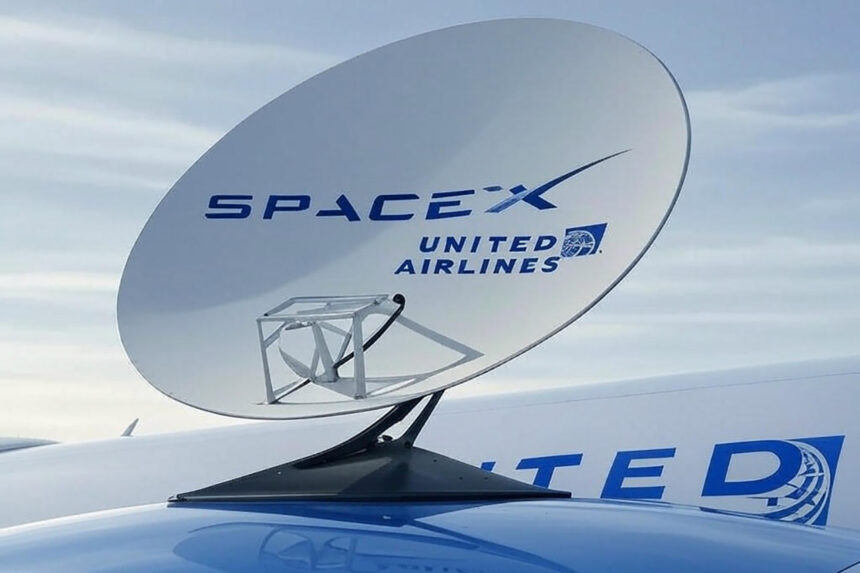
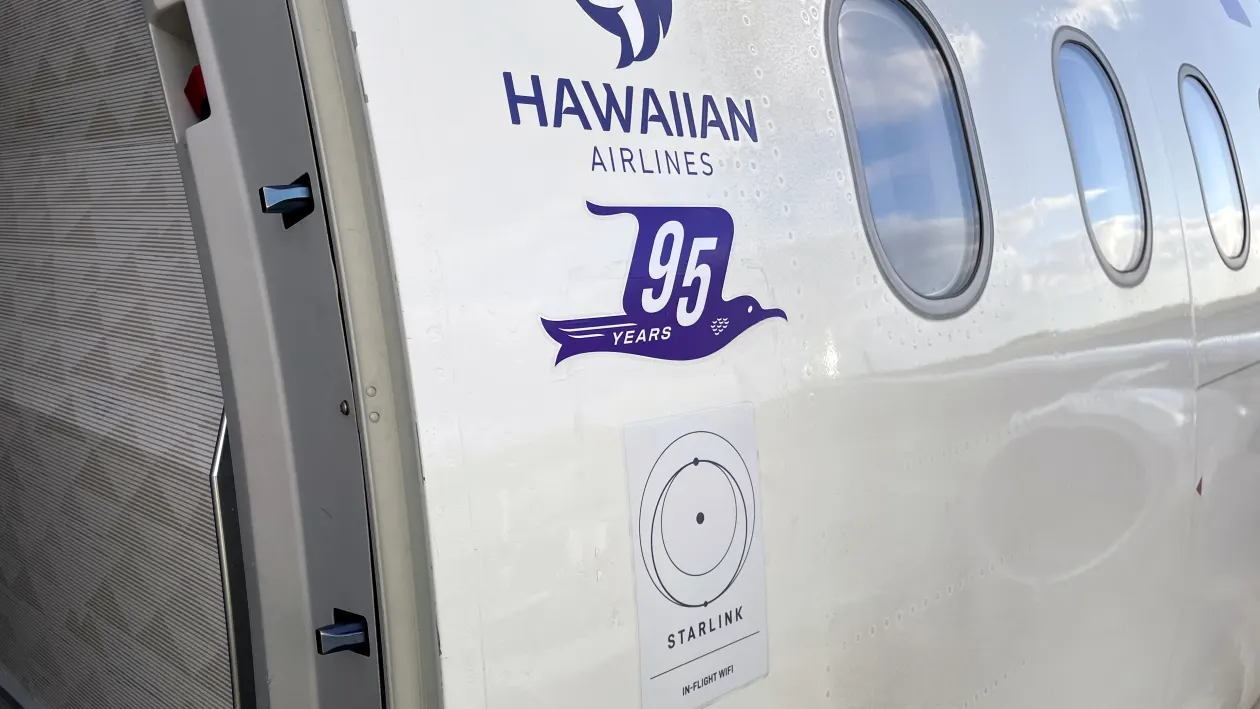
Several airlines have adopted or are rolling out SpaceX Starlink high-speed internet, offering gate-to-gate connectivity. Major adopters include Hawaiian Airlines, United Airlines, Qatar Airways, AirBaltic, Air France, JSX Zipair, WestJet and Virgin Atlantic.
Lowering prices
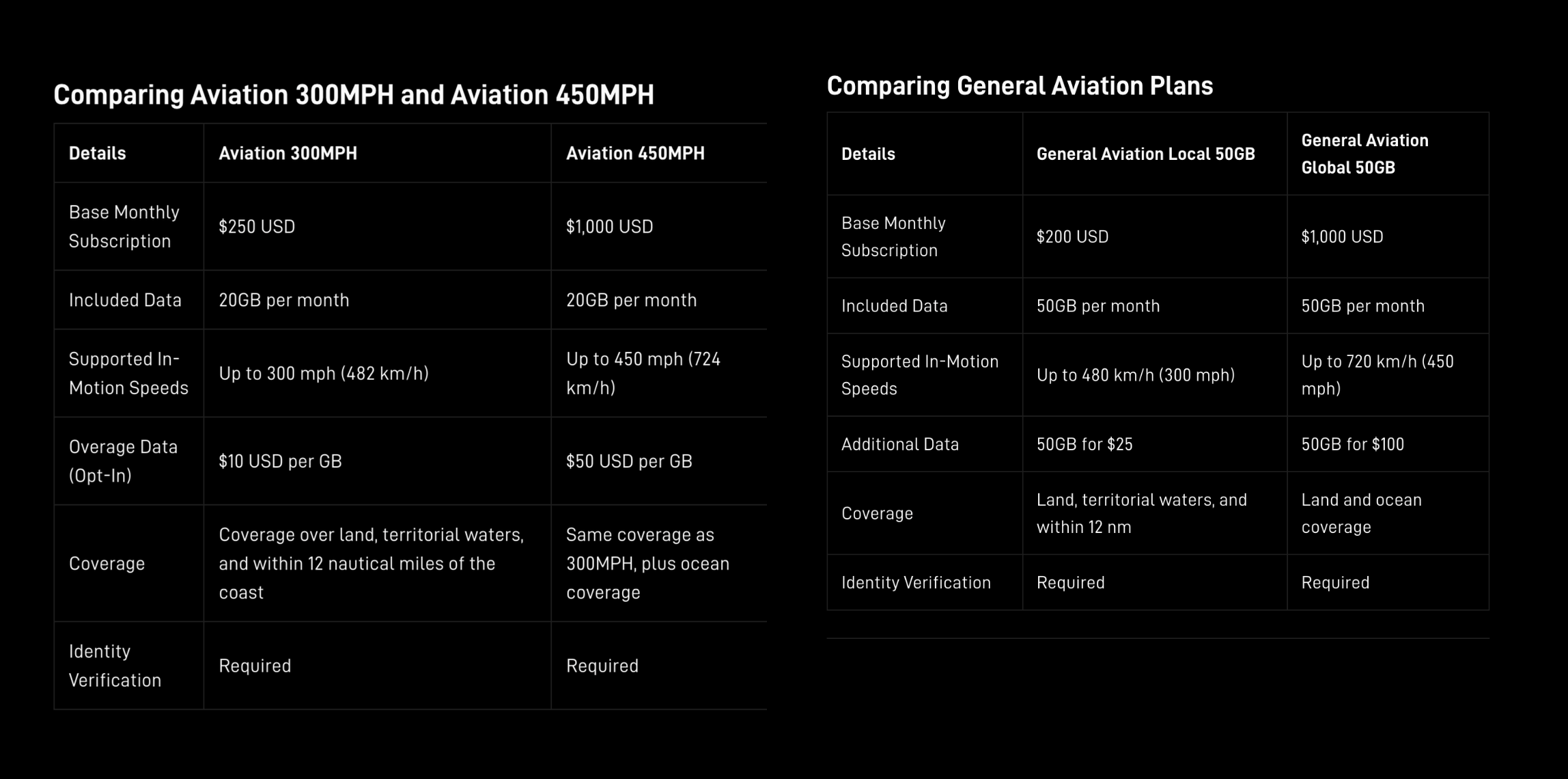
SpaceX have lowered the General Aviation prices to $200 per month (from $250) and tripled data allowances after facing backlash and a potential mass exodus from small plane owners. It has also lowered hardware prices, such as the Starlink Mini, from $499 to $229 to lower the barrier for entry.
The company uses dynamic pricing to reflect local market conditions, recently lowering monthly fees in various international regions to maintain purchasing power parity.
The renaming
SpaceX have decided to change the naming for both plans. Aviation 300MPH is now called General Aviation Local 50GB while Aviation 450MPH is now General Aviation Global 50GB.
The changes of the plan names are primarily to clarify data inclusions and better reflect how specific customer groups, like pilots and mobile users, use the service, as some are designed for higher speeds.
The “Direct to Cell” has also been rebranded as Starlink Mobile to position it as a seamless coverage layer for existing phones rather than a separate hardware-based service.
Have you ever used Starlink Wi-Fi on a flight? Let us know in the comments below!