


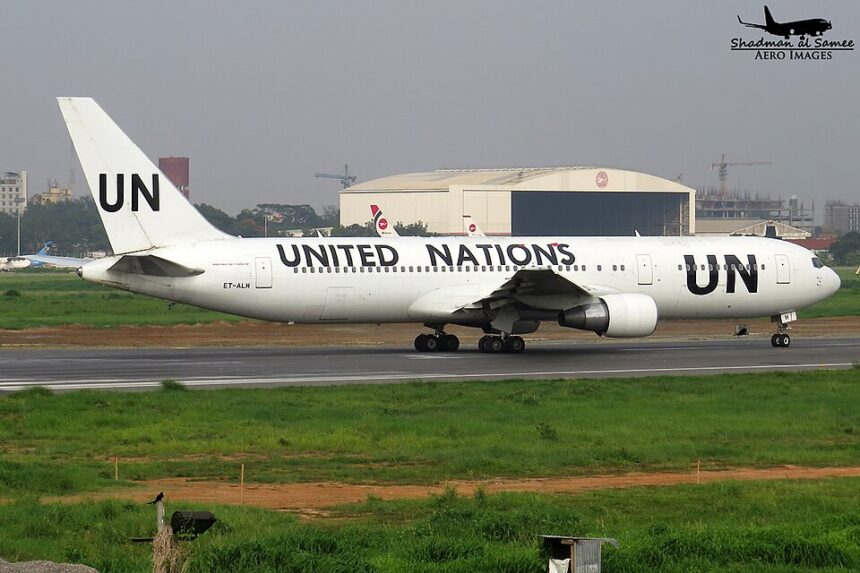
The United Nations Humanitarian Air Service (UNHAS) managed by the World Food Programme (WFP) is expected to play a vital role in 2026, serving as a necessary link for aid workers and relief supplies in some of the world’s most remote and dangerous locations.
What is Humanitarian Aviation?
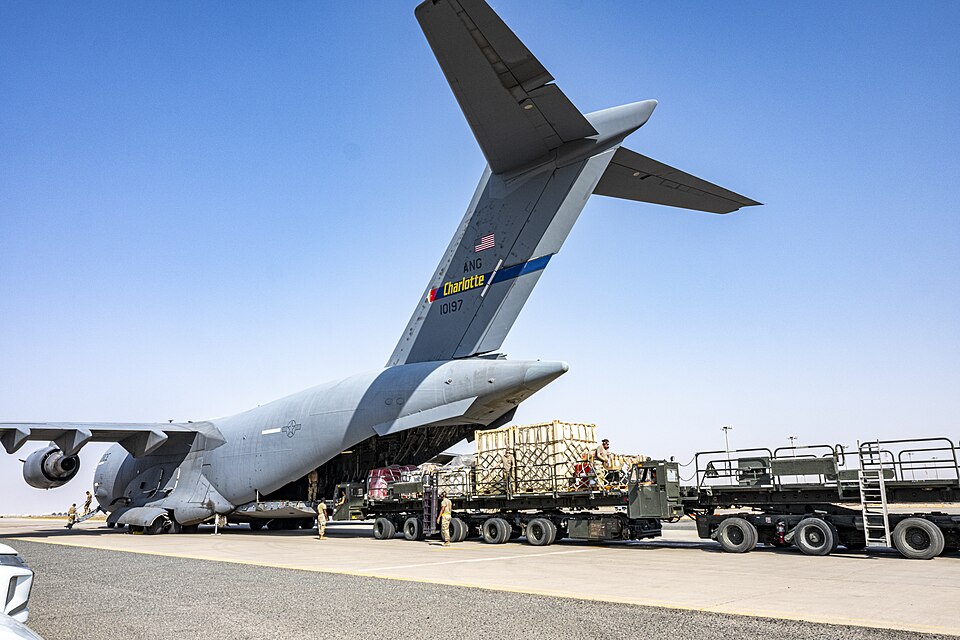
Humanitarian aviation refers to the use of aircraft and air transport services to support emergency relief efforts, particularly in the immediate aftermath of disasters, conflicts, or crises. In situations where ground transport is slow or dangerous, such as after earthquakes or during conflicts, aircraft provide an essential lifeline by transporting emergency supplies like food, medicine, water, and shelter materials directly to those in need. In 2024, UNHAS transported over 355,000 passengers and nearly 5,000 metric tonnes of light humanitarian cargo.
Rapid Response in Emergency Situations
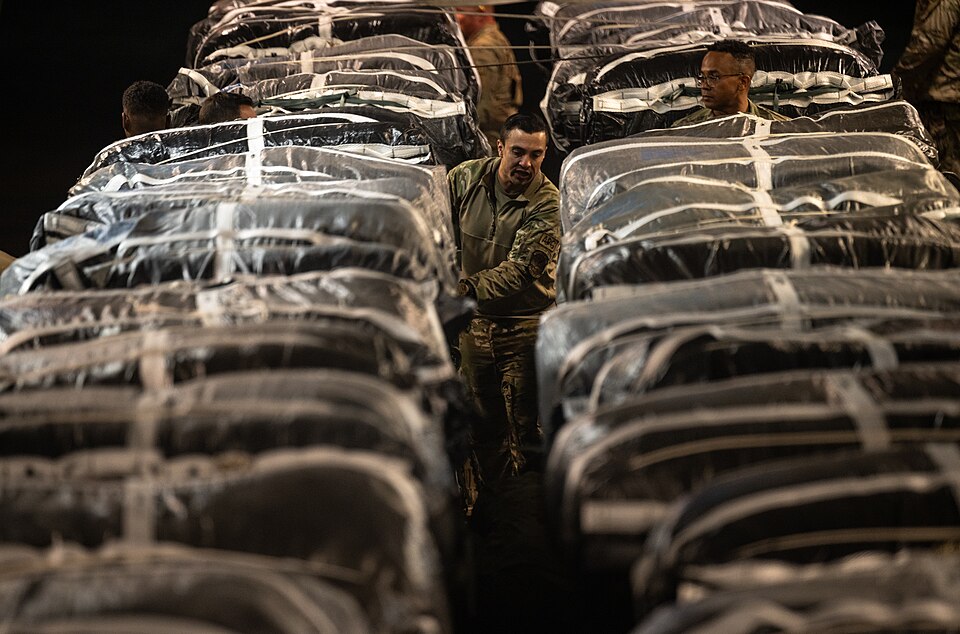
UNHAS served 394 destinations across 21 countries in 2024, primarily supporting aid organizations in challenging locations, according to the World Food Programme.

Future of Aviation in Humanitarian Aid
The International Civil Aviation Organisation’s (ICAO) Strategic Plan for 2026–2050 outlines objectives for the development of international civil aviation amid projected growth, with air traffic expected to reach 12.4 billion passengers by 2050. The plan identifies three primary goals: reducing carbon emissions, minimising fatalities, and supporting a connected and accessible global air transport system. They aim to support all countries in achieving aviation standards, and adapting regulations to emerging challenges.
What do you think of Humanitarian Assistance and Disaster Response in Aviation? Let us know in the comments below…








thisis a fantastic article, really nice created, i enjoy reading it, i will be back to check out for latest update, keep up the good work and applause. ng.yandaz.com