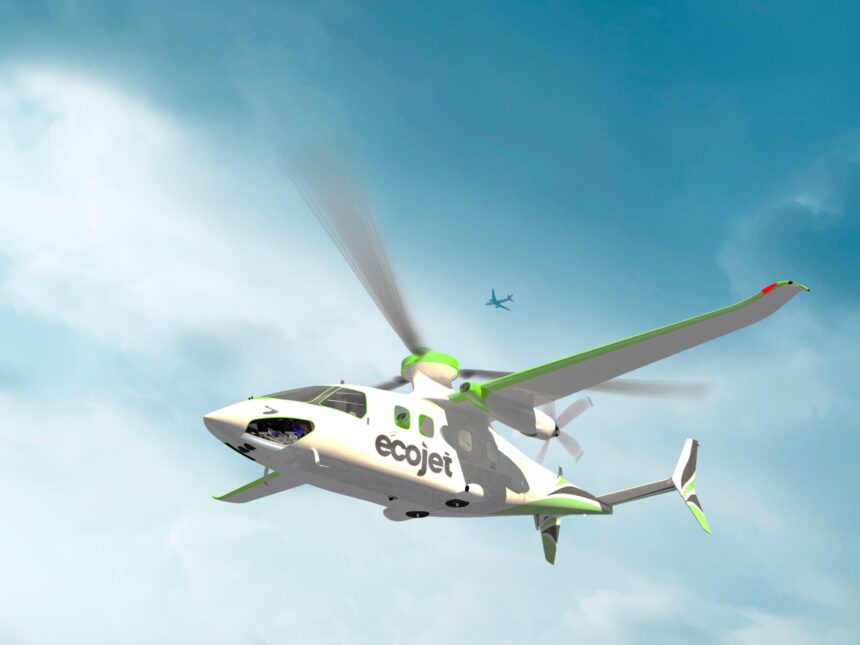
A Scottish airline collapse has forced the cancellation of planned UK flights after EcoJet officially entered liquidation before launching full operations. The electric aviation startup, which aimed to become one of the world’s first hydrogen-powered regional airlines, had planned routes across the UK and Europe before financial and regulatory challenges halted the project.

EcoJet’s ambitious plans never fully took off
EcoJet, the Edinburgh-headquartered start-up backed by green energy entrepreneur Dale Vince, had ambitious plans to become the world’s first electric airline. However, after years of delays and fundraising difficulties, the carrier has now entered liquidation.
Founded in 2021, EcoJet aimed to revolutionise regional aviation with hydrogen-electric aircraft and low-emission operations. Proposed routes included connections between Edinburgh and destinations across the UK, including Southampton, with longer-term plans for European expansion.
The airline repeatedly delayed its launch due to regulatory hurdles, aircraft development delays, and investment challenges. Reports indicate that EcoJet reduced staffing levels in 2025 as it struggled to secure sufficient funding for operations.
Liquidators were formally appointed earlier this year, effectively ending the airline’s plans before commercial services could properly begin.

Green aviation still faces major obstacles
The collapse highlights the challenges currently facing sustainable aviation projects. EcoJet had partnered with hydrogen-electric engine developer ZeroAvia and planned to operate modified ATR turboprop aircraft powered by alternative fuels and electric technology.
Speaking about the shutdown, founder Dale Vince said the company had struggled because “technology and regulatory pieces of the puzzle” were taking longer than expected to align.
While sustainable aviation remains a major focus for airlines and manufacturers worldwide, EcoJet’s failure demonstrates how difficult it remains for start-ups to balance innovation, certification, and financial viability in the current market. The collapse also adds to wider uncertainty within the UK aviation industry, with several smaller carriers facing operational and financial pressure in recent years.
Passengers affected by cancelled EcoJet bookings are being advised to contact payment providers or travel insurers regarding potential refunds. Meanwhile, the future of the company’s aircraft and proposed technology partnerships remains unclear. Despite the setback, investment into low-emission aviation continues across Europe, with established airlines and aerospace firms still pursuing electric and hydrogen-powered aircraft projects for the next decade.
As the aviation industry pushes towards net-zero targets, EcoJet’s collapse may ultimately serve as a warning about the financial and technical challenges involved in transforming air travel.
Would you have flown on an electric-powered regional airline? Let us know your thoughts in the comments.