By using this site, you agree to the Privacy Policy and Terms of Use.
Accept
Travel Radar - Aviation NewsTravel Radar - Aviation News
  • Breaking News
  • Aviation
    • Aircraft
    • Airlines
    • Airshow & Events
    • Careers
    • Manufacturing
  • Travel
    • Airports
    • Points & Loyalty
    • Technology
    • Trip Reviews
  • Newsletters
  • Aircraft for Sale
Reading: Sanctions And Counter Sanctions Over Ukraine Mean Higher Oil Prices And Longer Flight Times
Share
Sign In
Notification Show More
Font ResizerAa
Font ResizerAa
Travel Radar - Aviation NewsTravel Radar - Aviation News
  • Breaking News
  • Aviation
  • Travel
  • Newsletters
  • Aircraft for Sale
  • Breaking News
  • Aviation
    • Aircraft
    • Airlines
    • Airshow & Events
    • Careers
    • Manufacturing
  • Travel
    • Airports
    • Points & Loyalty
    • Technology
    • Trip Reviews
  • Newsletters
  • Aircraft for Sale
Signin Sign In
Follow US
Copyright © Travel Radar Media Ltd. 2025 | All Rights Reserved
Travel Radar - Aviation News > News > Sanctions And Counter Sanctions Over Ukraine Mean Higher Oil Prices And Longer Flight Times

Sanctions And Counter Sanctions Over Ukraine Mean Higher Oil Prices And Longer Flight Times

Amuthan Chandrarajan
Last updated: 17 March 2022 14:44
By Amuthan Chandrarajan
5 Min Read
Share
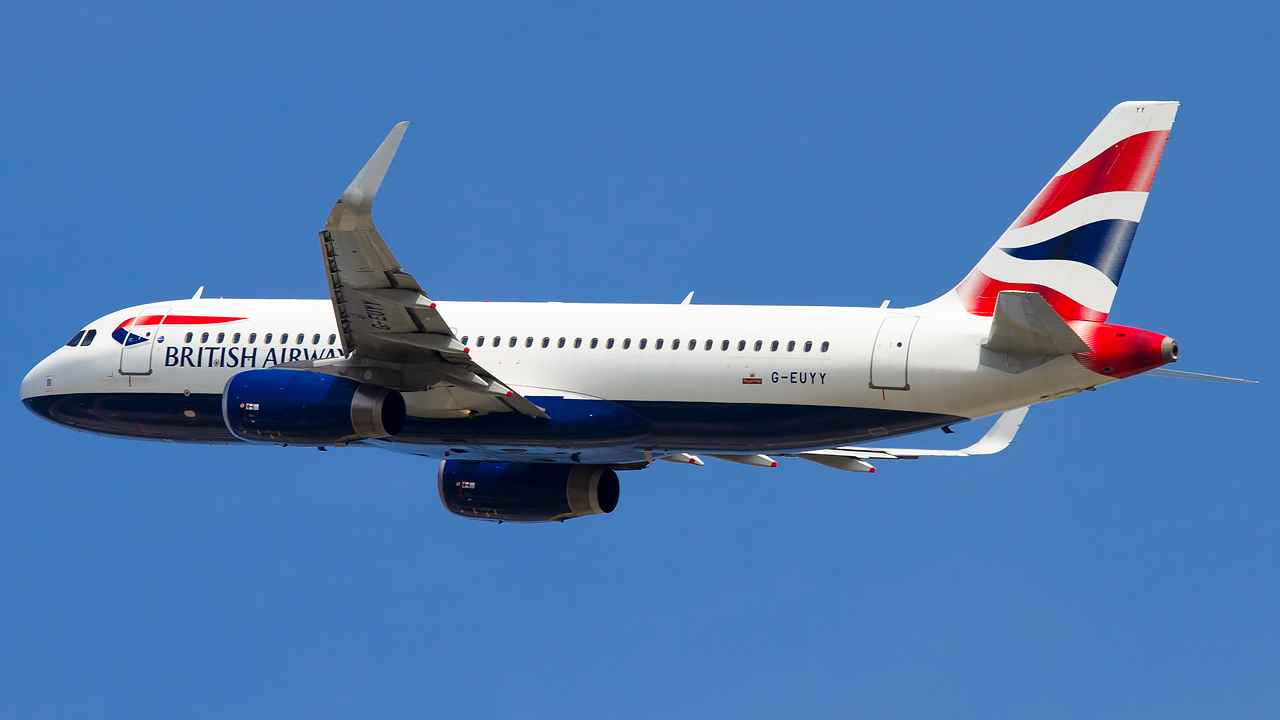
British Airways A320 © Andrea Ongaro | Travel Radar
SHARE

As sanctions against Russia continue, the US has banned Russian crude oil and the UK has said that it will phase out oil imports from Russia by the end of the year. As a result, oil prices have risen to very high levels. According to the Independent the price of Brent crude, which directly affects the price of airline fuel, has surged as high as 140 dollars a barrel; almost twice the price that it was at the start of the year.

High Oil Prices

As a result of high oil prices shares in airline companies have been badly hit according to the Financial Times, as global investors take fright. This has led the aviation industry being at the mercy of a global crisis for the second time; the first time being the global Covid pandemic which has also dealt a blow to the aviation industry. So how could airlines deal with the rise of oil and the consequent rise in airline fuel?

Airlines were previously hedging their fuel costs in order to control fuel prices. This means that they agree to commit to purchasing oil at a fixed price which is independent of the price of fuel at the time of receiving it. They often enter into fixed contracts for a fixed quantity of fuel at an agreed price for many months in advance so that they know the price that they will purchase fuel in for example 3 months time. This is normally a way of keeping costs constant and therefore not being exposed to unpredicted increases in the price of fuel.

However, having relied on hedging to keep costs constant airlines were badly affected at the time of the pandemic as they effectively had to pay for fuel that they did not actually need at a price that was much higher than the market rate. Because of this many airlines stopped hedging.
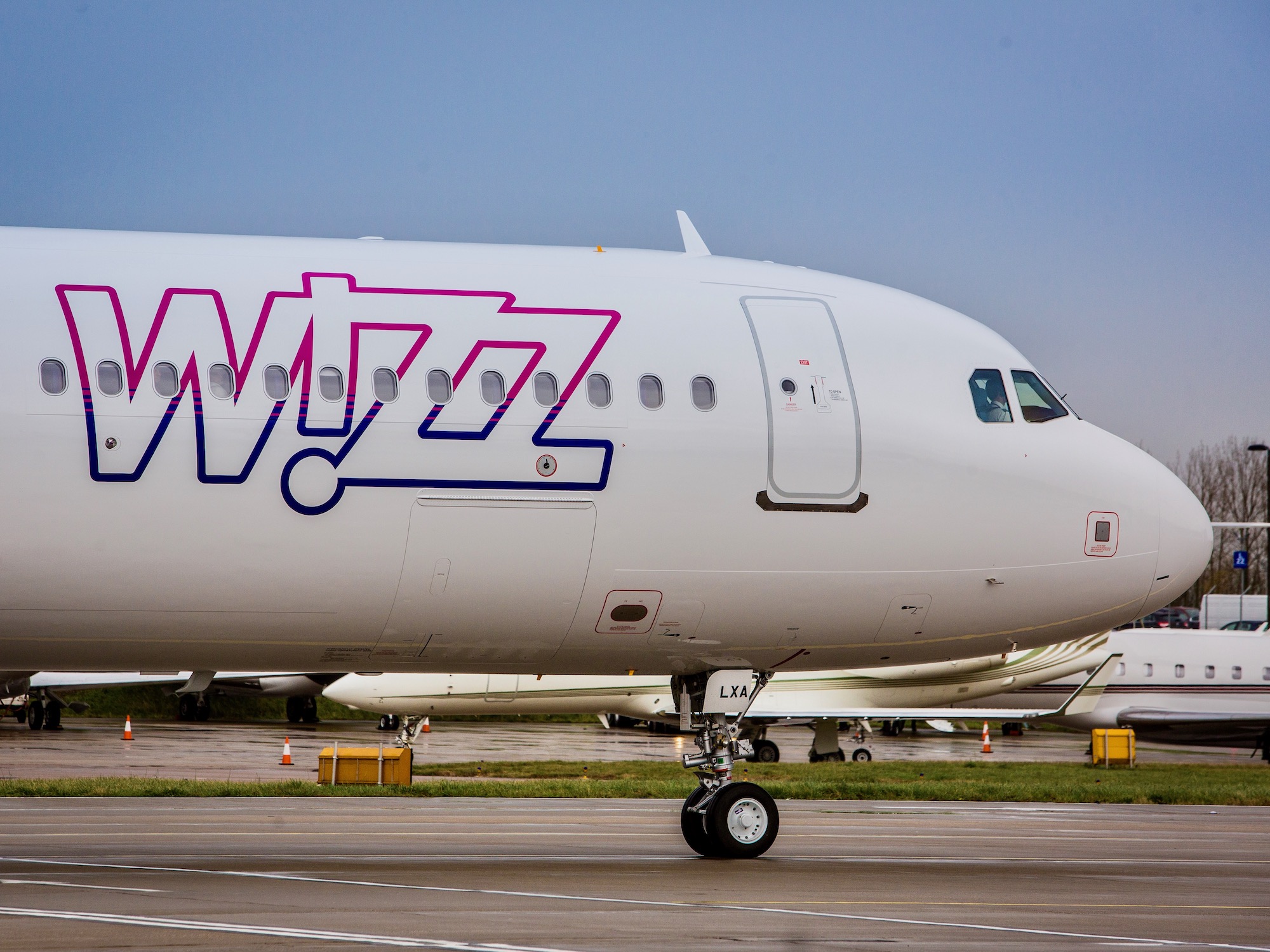
Wizz Air's Distinctive Logo
Wizz Air initially stopped hedging completely © Valery Collins

Wizz Air, according to the Financial Times, had stopped hedging completely. It was however having more difficulties as oil prices increased it became exposed after ramping up its schedules for this year with stock levels falling nearly 50% since mid-February to its lowest level in 18 months. The airline had to therefore reverse course and has now entered into fuel hedges for the next four months.

Ryanair has nearly fully hedged its fuel at $65 per barrel. British Airways owner IAG has hedges in place for 18 months between $60 and $73 dollars per barrel. So it seems many airlines have turned back to hedging fuel prices in order to control costs.

Longer Flight Times

For airlines, expenses are even more as airlines not only have to deal with high fuel costs, but they also have to deal with longer flight times as planes have to avoid Russian airspace. Reciprocal sanctions from Russia have meant that flying times could increase in time by up to three and a half hours. Finnair for example is going to take 4 hours longer for its flight from Helsinki to Tokyo.
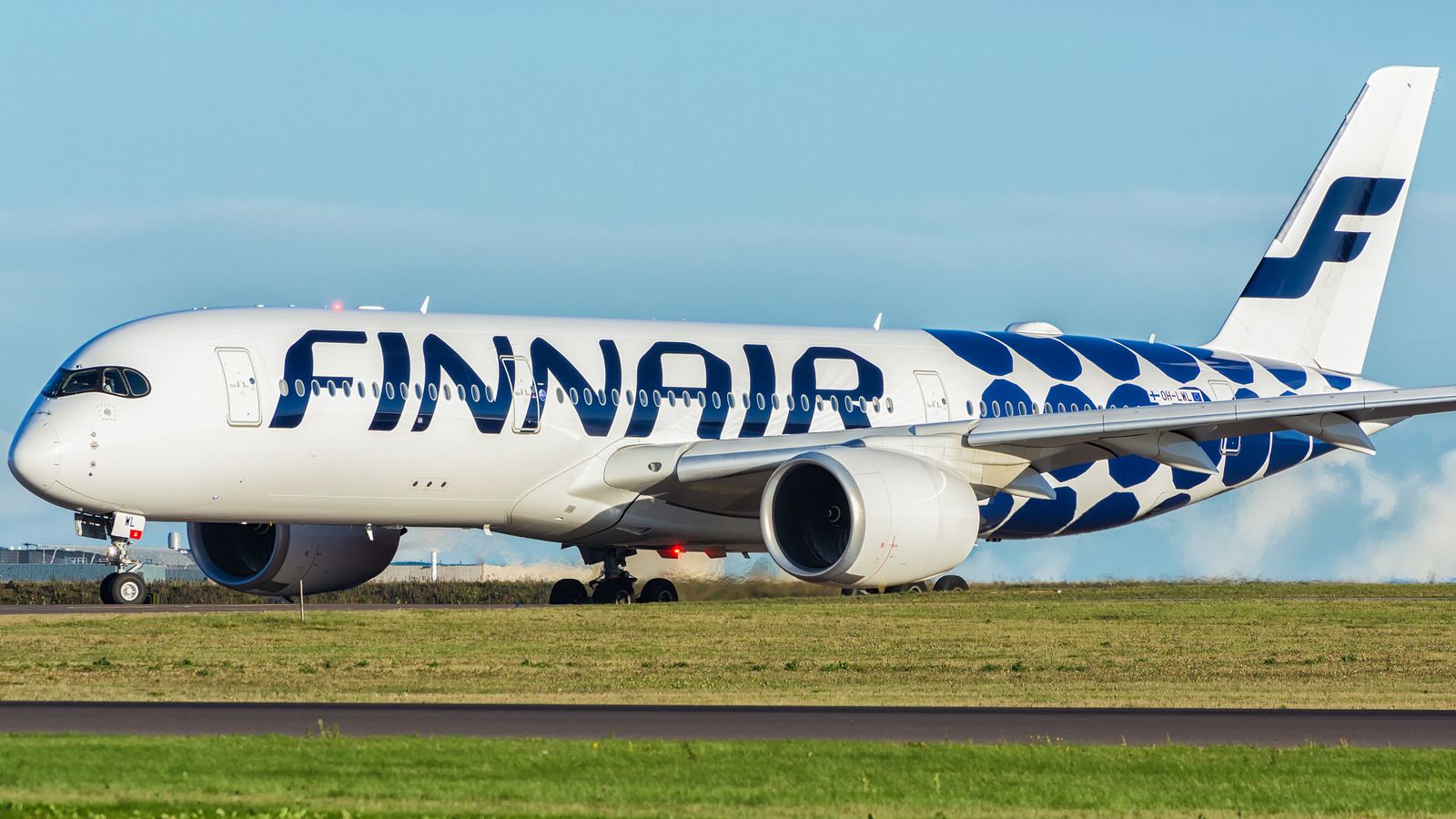
Finnair Airbus A350-900
Finnair has a 4 hour increase in flight time from Helsinki to Tokyo © Airbus

According to Reuters news agency, the biggest impact is on flights between Europe an north Asian destinations like Japan, South Korea and China. However other affected routes include those between southeast Asia and Europe and the United States and India. Longer flight times can also lead to higher staff costs and less cargo carrying capacity. They can also lead to higher maintenance costs on contracts that are charged on a flight hour basis, said Brenedan Sobie, an independent aviation analyst based in Singapore.

As one can see airlines have a double whammy of dealing with Covid as well as the Russia sanctions. However as stated in the Financial Times, Airlines are used to dealing with geopolitical shocks. Analysts and Executives have said that demand for flying is strong in enough to recover from Covid. Let’s hope that the same is true about the Russia sanctions.


You Might Also Like

Brussels Airlines A320 Engine Shut Down Inflight
Uruguay blames FIFA for travel delays ahead of World Cup match
Turkish Airlines Confirms €300 million Minority Stake Investment in Air Europa
Emirates and Crypto.com Partner to Offer Passengers New Payment Option
Air India Partners With Scoot To Expand Connectivity Across Asia And Australasia
Share This Article
Facebook Twitter Email Copy Link
What’s your thoughts?
Love0
Sad0
Happy0
Angry0
ByAmuthan Chandrarajan
Aviation Reporter — Amuthan brings a strong background in both residential and commercial real estate, complemented by a deep passion for aviation and travel that has taken him to numerous countries around the world. With a solid foundation in business and finance and a Master of Business Administration degree, he combines analytical insight with a global perspective in his reporting.
Previous Article Dutch Airlines Defy Government Mask Mandate
Next Article The Future of Commercial Flying: Vertical Seats
1 Comment

Leave a Reply Cancel reply

Your email address will not be published. Required fields are marked *


Stay Connected

FacebookLike
TwitterFollow
InstagramFollow
YoutubeSubscribe

Trending News

An Emirates Boeing 777 jet on a runway in front of a clear blue sky.
Emirates Expands Flights to Ghana
Airline Economics Airports Aviation
Qatar Airways aircraft tail with burgundy oryx logo, representing Qatar Airways Starlink Wi-Fi and the airline’s high-speed inflight Wi-Fi rollout.
Qatar Airways expands summer 2026 network
Airlines Aviation Did You Know
Air Alderney plane mid air photographed from the side.
Alderney Airport Seeks Aviation Fuel Suppliers to Restore Jet A-1
Airports Aviation Did You Know
An ATR 72-500 twin-engine turboprop passenger airliner, operated by MASwings with tail number 9M-MWA, sits parked on the airport tarmac on a bright, partly cloudy day.
Airborneo to review maintenance partners due to flight disruptions
Aircraft Airlines Aviation
London Heathrow Airport (LHR) interior view, windows showing outside.
London Heathrow’s Third Runway Expansion 2026: Health and Environmental Impact
Airports Did You Know

Travel Radar is the leading digital hub for all things aviation and air-travel. Discover our latest aviation news, aviation data, insight and analysis.


Discover

  • Latest News
  • Subscribe
  • Weekly Digest
  • Contact Us
  • Privacy Policy
  • About Us
  • Advertising
  • Media Coverage
  • Press & Events
  • Join Our Team
  • Our Brands

Signup to our Newsletter!

And get the latest aviation news via our weekly news digest!

© Travel Radar Media Ltd. 2015-2026 | ISSN #2635-0696 | Trademark #UK00003579704
adbanner
Welcome to the TR Community!

Sign in to your account

Not a member? Sign Up