Europe’s largest pilots union the European Cockpit Association (ECA) is reportedly set to call on the European Union Aviation Safety Agency (EASA) to restrict airlines’ ability to hire staff through outsourcing agencies. This practice, known as ACMI or a wet lease, has led to pilots remaining unpaid after their employer folded.
What is a Wet Lease?
ACMI refers to one airline hiring the Aircraft, Crew, Maintenance, and Insurance, from another and purely managing the flight’s commercial operations such as fuel and catering costs.
The flight would remain licensed under the lessor’s Air Operator Certificate (AOC) and would be responsible for paying the crew.
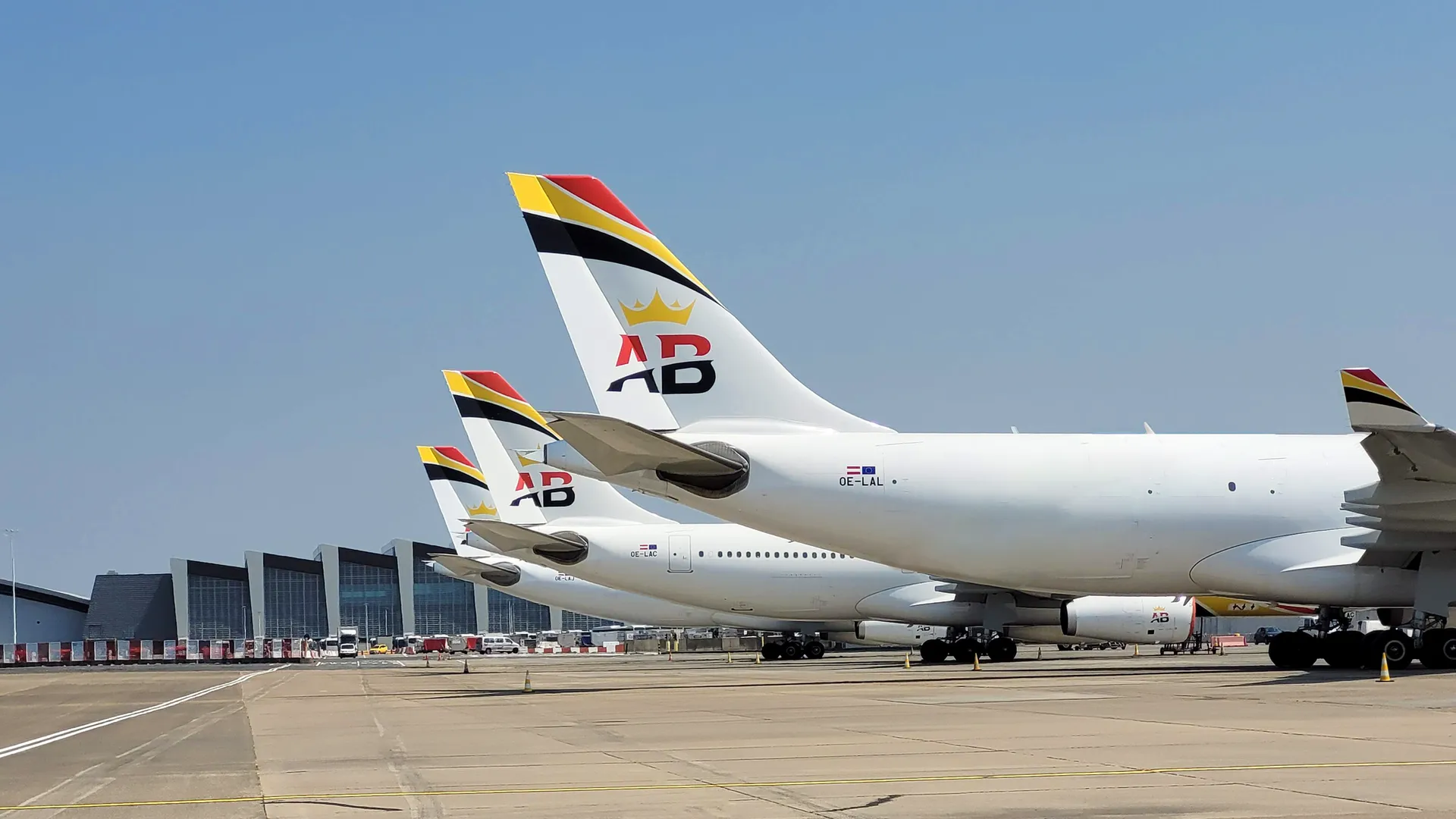
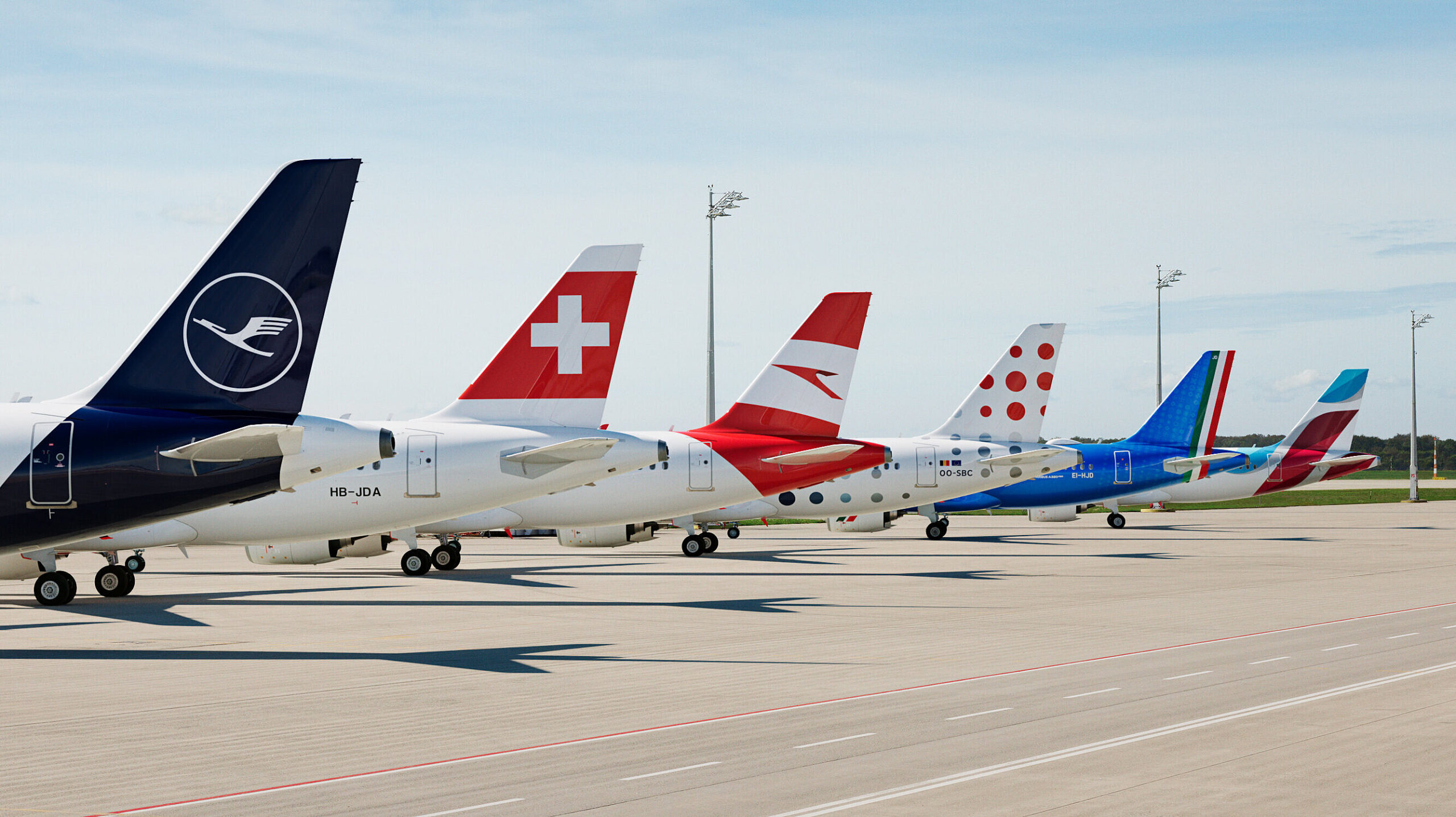
A study from the University of Ghent, published last year, estimated that 9.1% of pilots worked for ACMI operators. Germany’s Lufthansa Group is one of Europe’s biggest users of ACMI contracts, with operators such as Air Belgium regularly supplying others with aircraft and crew.
According to the ECA, a wet lease agreement can lead to pilots being hired under exploitative contracts, where they are officially listed as self-employed, removing some of their airline’s responsibilities to provide pilots with a healthy working environment.
The ECA has also linked ACMI practices to lower passenger satisfaction rates and has been publicly tracking the number of European airlines using ACMI since June 2025.
The ECA’s Position
ECA Secretary General Ignacio Plaza believes a wet lease agreement makes pilots:
“disposable, a number in the system. You can get rid of them with a day’s notice.”
According to the University of Ghent study, pilots reported worse mental health, and higher job insecurity, than their colleagues who were employed directly by airlines.
Plaza added:
“This is not about one airline,”
“It is about whether Europe allows airlines to operate with workers who are essential in practice but invisible when responsibility is assigned.”
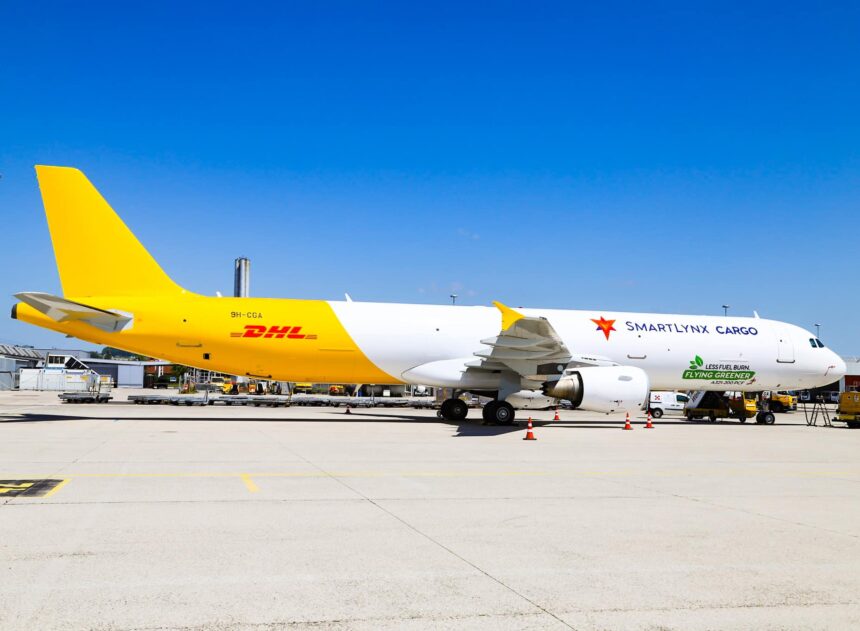
The ECA has previously cited the collapse of SmartLynx Airlines in November 2025 as an example of when pilots had been exploited by a wet lease contract.
SmartLynx had been one of Europe’s largest lessors of aircraft and pilots, often supplying them through third-party agencies. When the airline collapsed, neither the pilots’ agencies, nor the airlines who had been hiring SmartLynx’s aircraft, were prepared to pay the hundreds of pilots who believe they were owed money.
The ECA is expected to ask the EASA to change the law in order to protect pilots’ wages in the event of an ACMI lessor airline collapsing.
Have you flown on a SmartLynx flight? Do you worry about pilots’ workload and mental health? Let us know in the comments.