

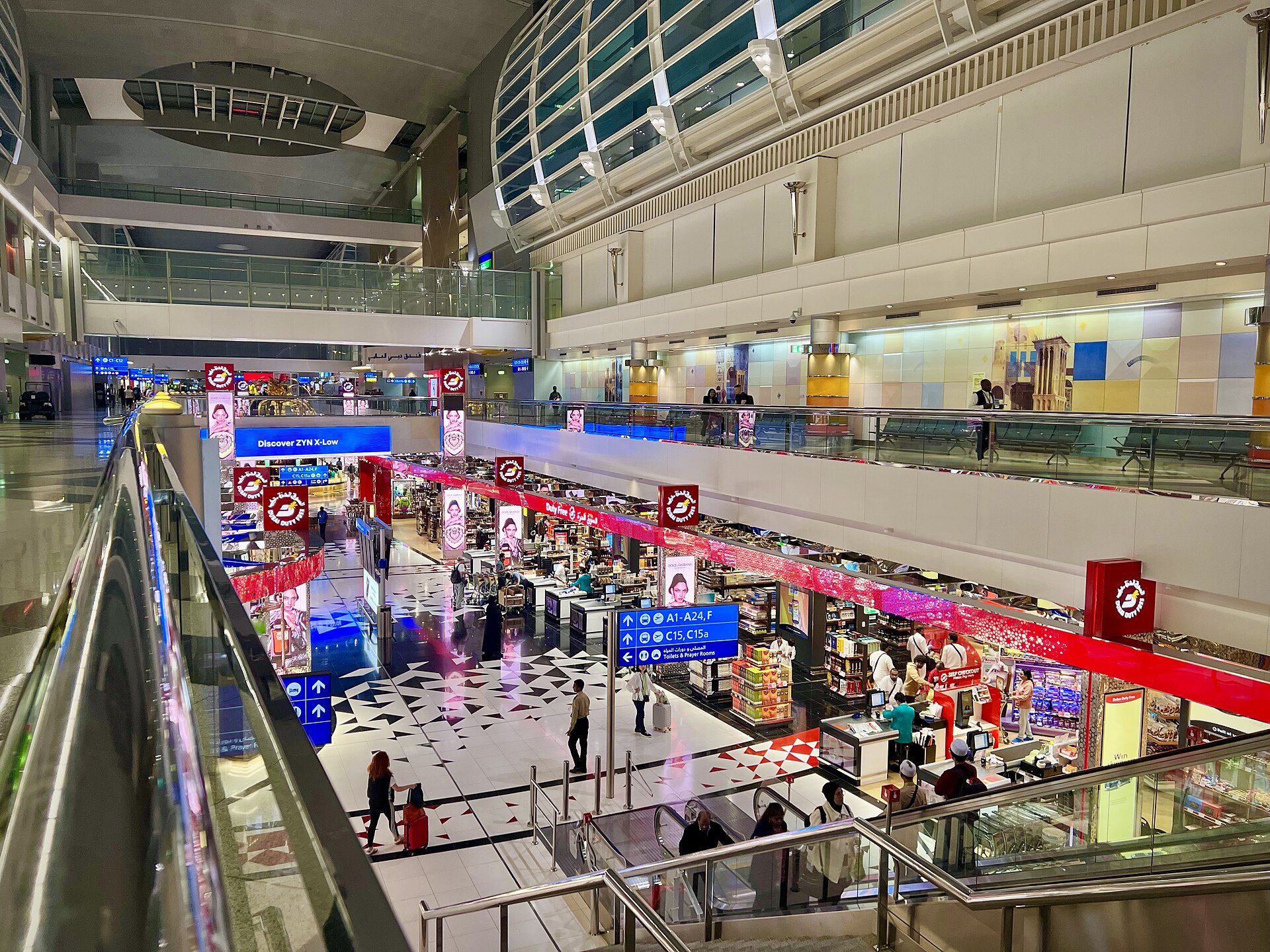
New data analysis highlighting the top ten airports that produce the most pollution globally was released last week, with London Heathrow (LHR) being a significant contributor. The analysis uses the latest global statistics available, which are from 2023.
Gathering Research
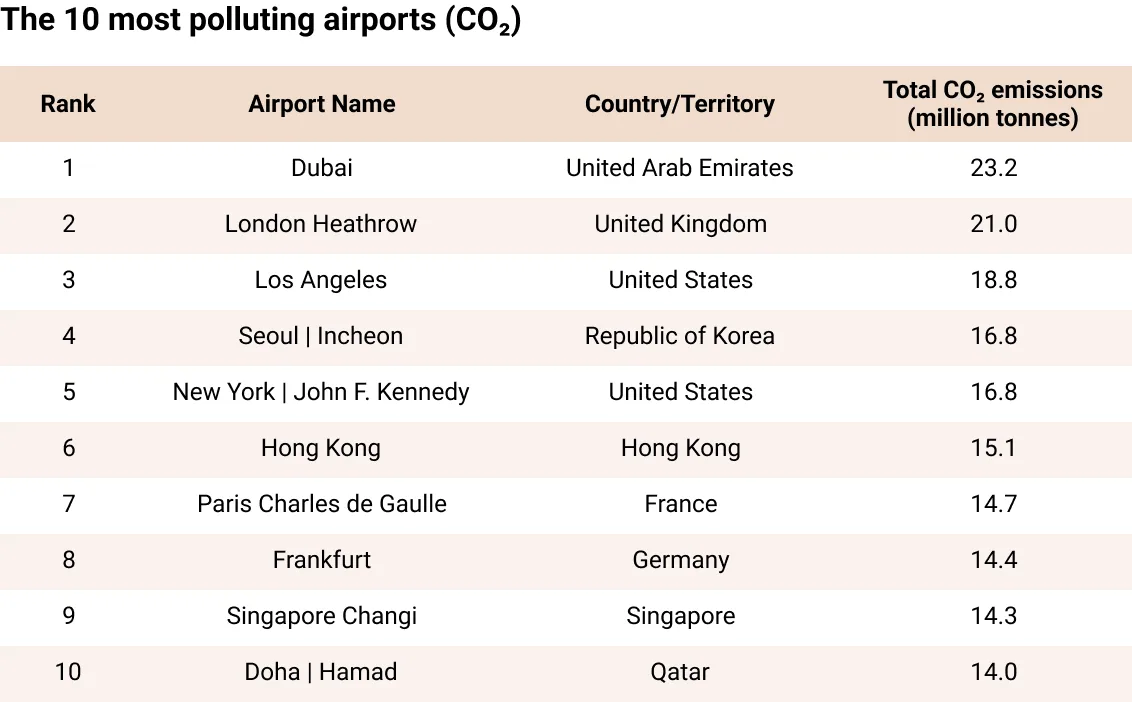
A collaboration between ODI Global and Transport & Environment (T&E) has produced a table listing the top 10 most polluting airports according to data from 2023.
In this research endeavour, ODI Global, an independent non-profit research and experimental development institute and self-proclaimed think tank, partnered with T&E, the leading advocates for environmentally conscious and clean transport and energy in Europe, according to their website, to investigate which airports had the greatest polluting impact. They used data provided by the International Council on Clean Transportation (ICCT), another independent non-profit public policy and research institute dedicated to providing technical, scientific, and policy analysis to environmental regulators.
This analysis was based on data taken from 2023 about the climate and air quality impacts of 1,300 international hubs. This data was used as it provided the most complete global statistics for the analysis available to researchers.
The Results
The T&E website highlights that the global inventory of CO2 and air pollution from passenger, freight and private air travel at airport level provided by the 2026 Airport Tracker was not used in the investigation, even though it is more recently updated. This is because, according to T&E, it displays the disproportionate health and climate impacts of only a few airports. Despite this, the findings of this data analysis do not significantly contradict the tracker, which highlights that the analysis is still consistent with current trends.
According to the research, the top three worst polluters were Dubai Airport (DBX), London Heathrow (LHR), and Los Angeles (LAX). Moreover, the city of London, which counts with six airports, was found to be the number one contributor to airport-related pollution across all metrics, which included CO2, nitrous oxide (NOx), carbon monoxide (CO), total hydrocarbons (HC) and particulate matter (PM2.5).

A Time for Change
In a statement on T&E’s website, Denise Auclair, head of the company’s Travel Smart Campaign, asserted that the research had emphasised that the economic case for airport expansion was no longer viably supported by recent data evidence. Auclair went on to highlight the urgency of prioritising energy independence and people’s health.
Sam Pickard, research associate at ODI Global, , declared that:
“Since the Paris Agreement in 2015, we’ve seen many sectors gradually reduce their emissions while aviation’s have risen steadily. On top of that, we still regularly hear about airport expansion plans that ignore the sector’s outlier status when it comes to emissions. This should no longer be buried under the rug with half-baked promises of ramping up expensive so-called Sustainable Aviation Fuels or weak offset mechanisms. A genuine strategy and roadmap that include demand management are sorely needed.”
Did the research results surprise you? Let us know in the comments.