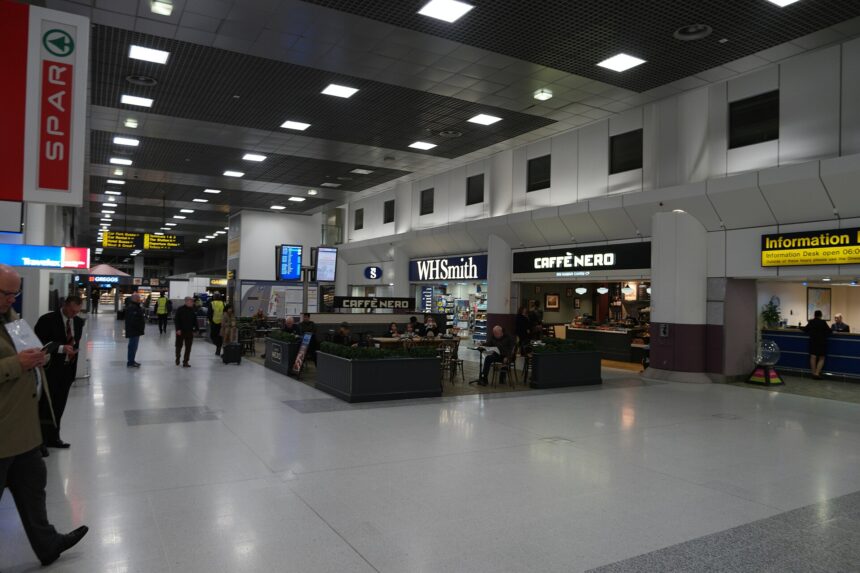
After a negative experience attempting to acquire support at Manchester Airport (MAN), neurodivergent advocate Ellie Middleton took to social media to voice accessibility concerns for individuals with invisible disabilities at the airport. She encouraged those who travelled using the sunflower lanyard scheme to share their experiences and pushed Manchester Airport Group (MAG) to revoke changes around support access.
Concerns About Accessibility
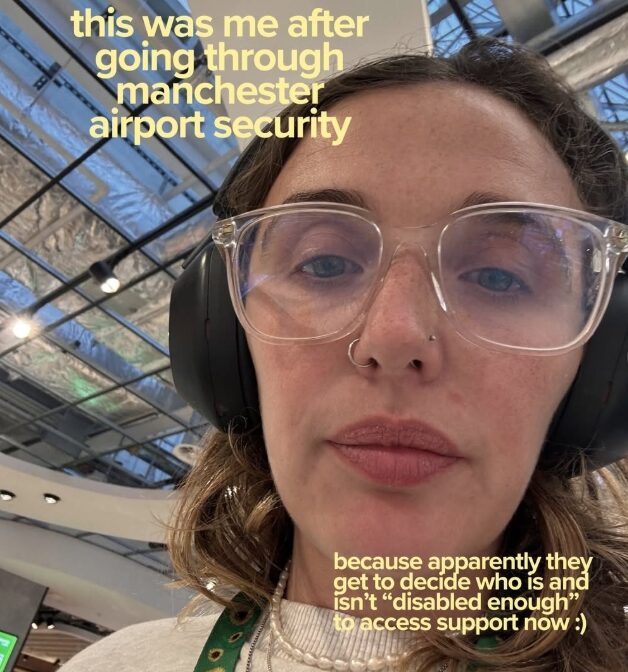
Autism and ADHD author, advocate, and content creator Ellie Middleton criticised staff treatment of her while travelling through Manchester Airport (MAN). She described a lack of consideration for her disability at the airport in social media posts to raise awareness of the issue. The posts, which she published on her LinkedIn and Instagram profiles, detailed the experience and raised concerns about accessibility at the airport.
While travelling to Pula, Croatia, with her boyfriend on June 21, Ellie described being guided away from accessible travel options as she navigated Terminal 2 at MAN. This occurred despite her having prebooked special assistance, spoken to several staff members, informed them of her disability, presented an access card, and worn a sunflower lanyard.
After both Ellie and her boyfriend had communicated her support needs to staff, she said they directed her away from the airport’s assisted security lane to the standard security queue, assuring her there would be less delay. However, while in the main queue, she said there were far more people waiting, which did not align with what she had been told. While in the queue, Ellie became increasingly distressed, saying:
“I started to have an autistic shutdown/meltdown, crying, hyperventilating, getting really upset.”
In an attempt to help Ellie receive the appropriate support and remove her from the situation causing her stress, her boyfriend approached staff requesting assistance, but they were told to remain in the queue. She asserted that five staff members, including a duty manager, told her that they had been told to restrict sunflower lanyard wearers from accessing the assisted security lane as part of a new Manchester Airports Group (MAG) policy. Ellie also criticised the signage at MAN, which advised sunflower lanyard wearers to use any queue, but included an arrow that pointed away from the assisted lane, and was therefore unclear.
Ellie emphasised that while travelling through the airport, she was wearing a sunflower lanyard, an internationally recognised symbol for a person who might require extra support or understanding due to invisible disabilities or conditions. Describing her struggle with stress, sensory overload, and distress due to being tightly surrounded by people in enclosed environments such as long queues, Middleton commented that she has used a sunflower lanyard to navigate airports since her autism diagnosis in 2022 and relies on it to make travelling as smooth as possible.
The Sunflower Scheme
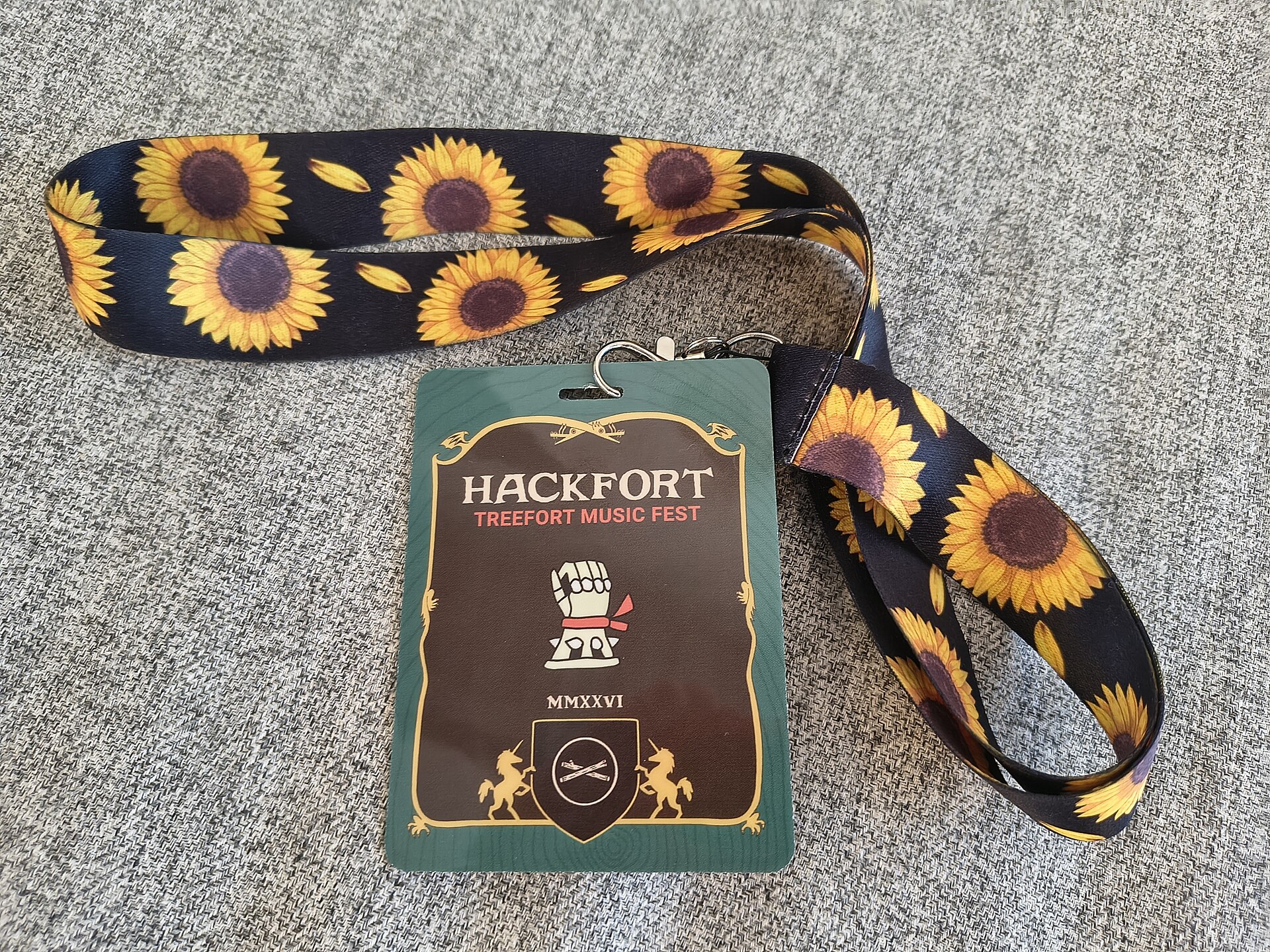
The Hidden Disabilities Sunflower scheme offers a universally recognised symbol for invisible struggles and support needs. The sunflower lanyard is a simple, voluntary tool to indicate that a person has a disability or condition that may not be immediately apparent, and therefore highlights that understanding or support may be required in everyday spaces, without the individual having to explain their needs at length. It is intended to support a wide range of hidden disabilities, including blindness, deafness, neurodivergence, chronic illness, and many more.
Ellie’s social media posts detailing the incident sparked discussion in comment sections. While there was an outpouring of support for Ellie, with many of the comments being reassuring and sympathetic, extensive debate began about the sunflower lanyard and why the airport staff may have been told to guide those with sunflower lanyards away from assisted lanes. Some claimed that too many people were abusing the easy accessibility of the sunflower scheme to skip queues at airports, with many calling for stronger measures to make it harder to obtain these lanyards.
Rebuttal comments questioned whether the behaviour of some should impact the experience of those with hidden disabilities who benefit from and rely on the system, and emphasised that ease of access was a key aspect of the sunflower scheme.
Platform to Elevate Marginalised Voices
In the aftermath of her negative experience at MAN, Ellie advocated for improved accessibility for people with hidden disabilities at the airport. She tagged the airport’s social media account in her posts and encouraged others to share their experiences to highlight how vital the sunflower lanyard scheme is and how many people will be impacted by the refusal to recognise the symbol.
On June 25, Ellie announced via Instagram that an employee at Manchester Airports Group (MAG) had emailed her to claim that the signs she had observed referred to all lanes, including the accessibility lane, and were not intended to direct sunflower wearers away from the assisted queues. She asserts in the post that she spoke to five staff members at the airport, all of whom informed her that sunflower lanyards were no longer recognised under MAG’s policy, and that she was told to use the standard lanes. She confirmed that the misleading signs had been taken down.
Ellie’s experience and online advocacy on accessibility raise awareness of inconsistencies in airport policies and staff training regarding hidden disabilities. It also emphasises that wider discussion is still needed to improve flight and the overall airport experience for those with extra needs or support requirements, with those most impacted actually included in the conversation.
What do you think about Manchester Airport’s treatment of invisible disabilities? Have you had a similar experience? Let us know in the comments.