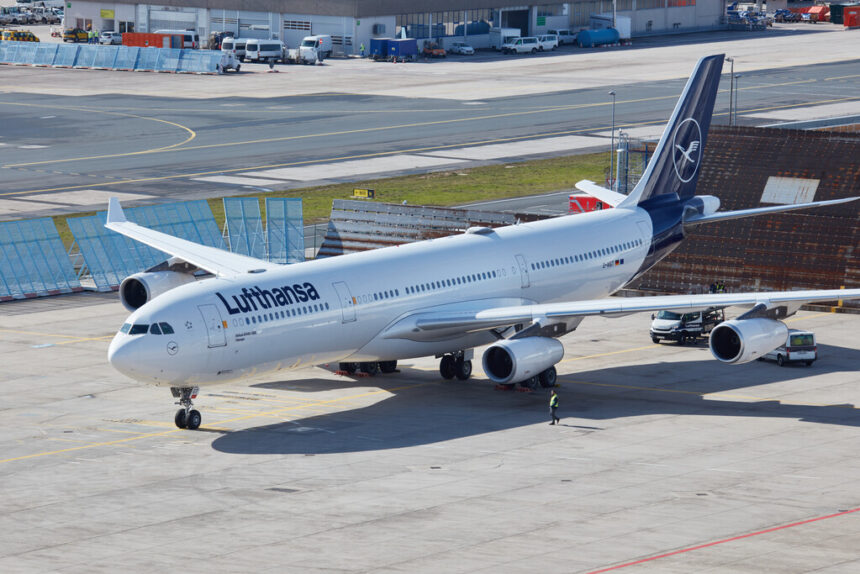
Fifteen years ago on July 8, 2011, Lufthansa’s Airbus A340-300 with the registration “D-AIGT” flew from Frankfurt (FRA) to Lagos (LOS) not just to transport passengers, but with its added mission to collect important data for climate research. This marked a world’s-first for long-term observation of the Earth’s atmosphere using scheduled flights.
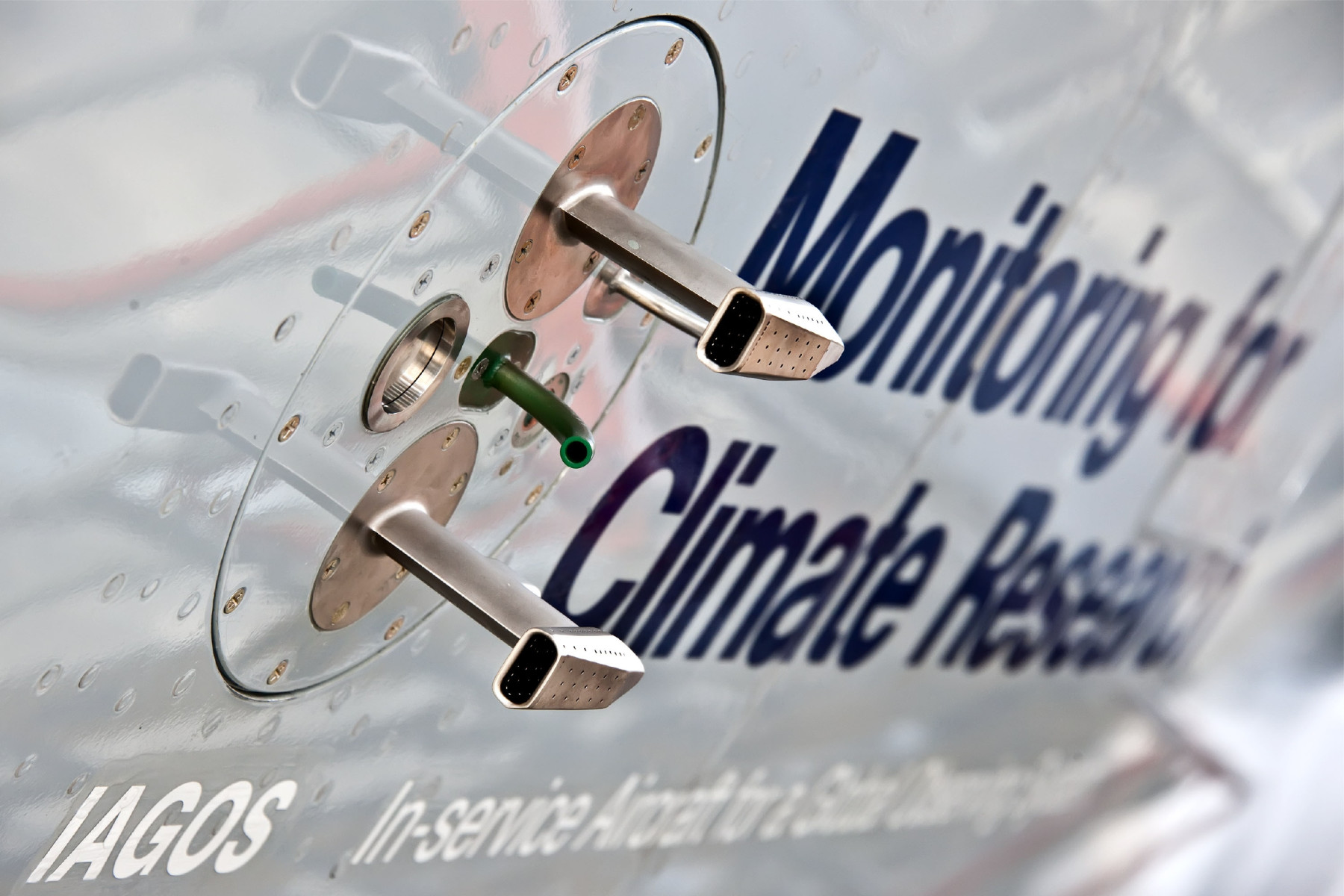
IAGOS Project
The compact measurement system for the research program IAGOS (In-service Aircraft for a Global Observing System) is permanently installed beneath the aircraft cockpit. Two probes built into the aircraft fuselage measure the outside air during cruising flight at altitudes of nine to thirteen kilometres. Upon landing, data is automatically transmitted to the central database of the Forschungszentrum Jülich research centre in Toulouse. In addition to the routine monitoring of atmospheric trace gases, future measurements will also include aerosols and cloud particles. IAGOS’ goal is to establish a global measurement infrastructure using civil aviation for observing the Earth’s atmosphere. The data is freely available to global researchers and as Lufthansa report, it is currently used by over 400 worldwide organisations to identify long-term changes in the atmosphere, refine climate models and improve weather forecasts.

Research commitment
The predecessor system to IAGOS was known as MOZAIC and was installed on two Lufthansa Airbus A340-300s, collecting data between 1994-2014. Since the first IAGOS flight in 2011, Lufthansa added the measurement system to two further aircraft in 2015 and 2022, both of which are operated by Discover Airlines. Lufthansa calculates that since 1994, it has completed more than 37,500 measurement flights, making a significant contribution to global data on the ozone and water vapour content in the atmosphere. A further seven worldwide aircraft are reported to be equipped with the IAGOS system (operated by Air France, China Airlines, Cathay Pacific, Iberia and Hawaiian Airlines).
Whilst the subject of global climate change continues to fly high on political and aviation leaders’ agendas, ongoing research such as this, will be crucial for highlighting the sectors’ positive contribution to the debate. The data provides necessary evidence and will help inform future decision making.
Were you aware that Lufthansa and other airlines support this climate research? Let us know in the comments below.