The South Korean state auditor has found that improper airport safety structures claimed the lives of 179 people in the fatal crash of Jeju Air Flight 7C2216 at Muan International Airport in Dec. 2024.
The Deadly Incident
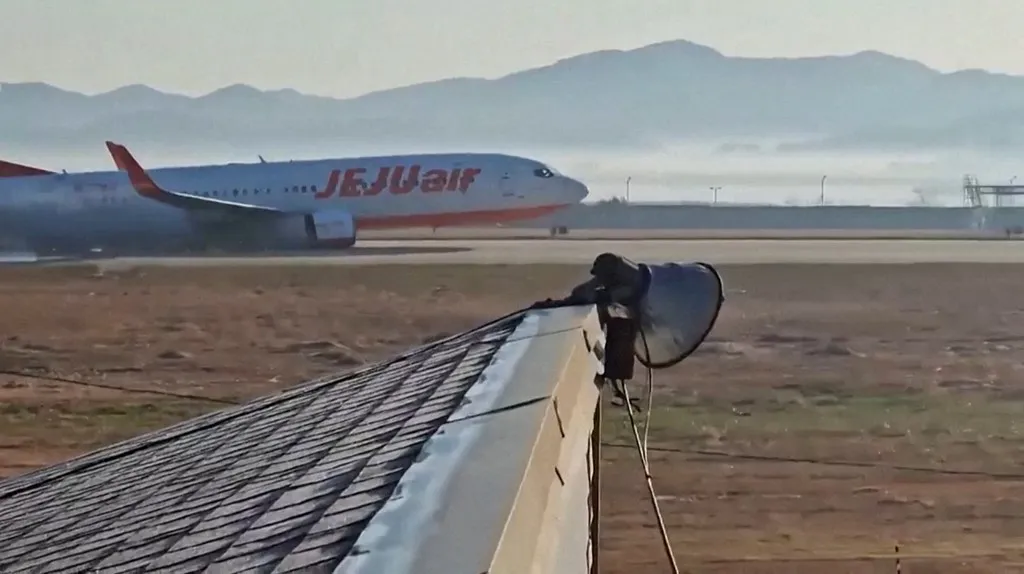
On Dec. 30, 2024, Jeju Air Flight 7C2216 was struck by a flock of birds while attempting to land at Muan International Airport. This caused the plane to belly-land, skidding down the 2,500 metre-long runway before hitting a localiser on a raised concrete embankment. The aircraft then burst into flames upon impact.
The crash killed 179 of the 181 passengers on board, with the only survivors being two flight attendants who were pulled from the tail section by rescuers. It was South Korea’s worst aviation disaster since 1997.
After the crash, Jeju Air’s CEO, Kim E-bae, apologised for the tragic incident and pledged to do everything to support the families of the victims. The airline stated that the aircraft involved had previously no history of accidents or technical problems.
The Investigation and Conclusion
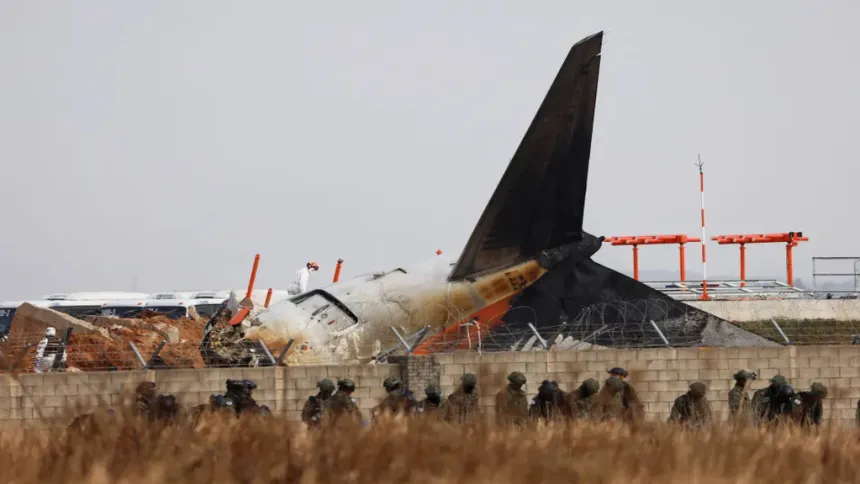
The investigation into the incident initially focused on whether the bird strike had caused the plane’s landing gear to fail. However, focus later turned to the concrete mound that the aircraft struck before it caught fire.
In January 2026, a South Korean government-commissioned report found that the crash likely would not have been fatal if not for the concrete mound at the end of the runway. Instead, if it had not been there, the aircraft would have slid to a halt and breached a fence with only minor injuries. It also concluded that the concrete structure did not meet international safety standards, which state that localiser structures should be designed to break apart easily in the case of an aircraft impact.
A later report by the Board of Audit Inspection (BAI), which was published on Tuesday, found that the concrete mound was built as a cost-saving measure by South Korea’s transport ministry. The ground at the end of the runway was sloped, and instead of flattening the terrain (which would have required significant expenditure) the decision was made to build and install the localiser on the concrete mound instead. This created the conditions that made the crash so deadly.
The report also found broader airport safety infractions, stating that the transport ministry had been falsely approving unsafe airport structures for over twenty years to cut costs.
The Ministry of Land, Infrastructure and Transport said it “humbly accepted” the findings and would implement follow-up measures to improve safety.
Since the 2024 crash, Muan International Airport has been closed, and it is not yet clear if it will reopen.
Want to keep up-to-date on recent aviation incidents? Follow Travel Radar for the latest breaking news and updates from across the world.