By using this site, you agree to the Privacy Policy and Terms of Use.
Accept
Travel Radar - Aviation NewsTravel Radar - Aviation News
  • Breaking News
  • Aviation
    • Aircraft
    • Airlines
    • Airshow & Events
    • Careers
    • Manufacturing
  • Travel
    • Airports
    • Points & Loyalty
    • Technology
    • Trip Reviews
  • Newsletters
  • Aircraft for Sale
Reading: Easyjet’s Proposal for a Green Transition
Share
Sign In
Notification Show More
Font ResizerAa
Font ResizerAa
Travel Radar - Aviation NewsTravel Radar - Aviation News
  • Breaking News
  • Aviation
  • Travel
  • Newsletters
  • Aircraft for Sale
  • Breaking News
  • Aviation
    • Aircraft
    • Airlines
    • Airshow & Events
    • Careers
    • Manufacturing
  • Travel
    • Airports
    • Points & Loyalty
    • Technology
    • Trip Reviews
  • Newsletters
  • Aircraft for Sale
Signin Sign In
Follow US
Copyright © Travel Radar Media Ltd. 2025 | All Rights Reserved
Travel Radar - Aviation News > News > Easyjet’s Proposal for a Green Transition

Easyjet’s Proposal for a Green Transition

Giacomo Amati
Last updated: 14 June 2021 16:30
By Giacomo Amati
4 Min Read
Share
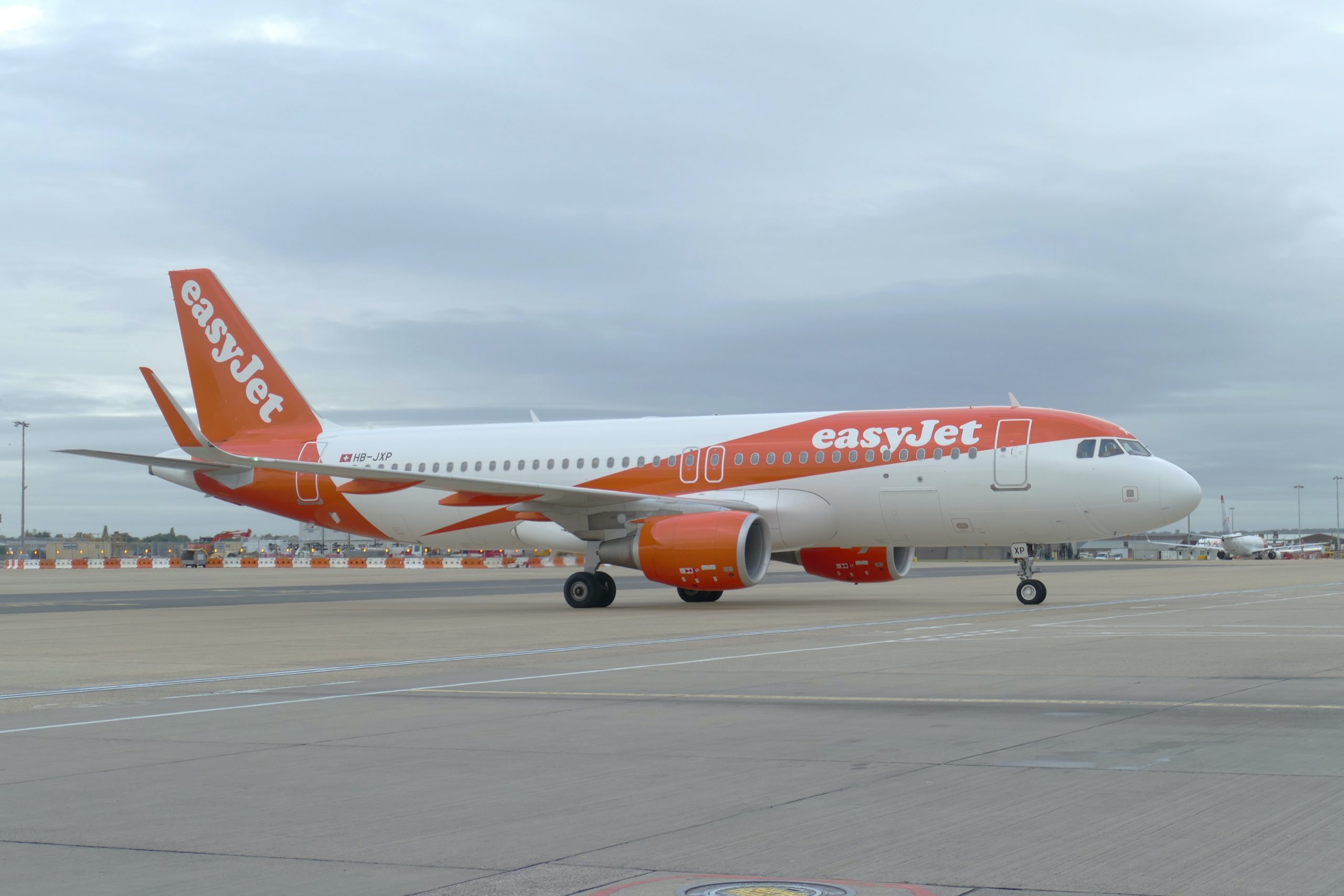
An Easyjet plane taxiing.
SHARE

In an interview with the German newspaper “Die Welt”, Johan Lundgren, CEO of Easyjet, expressed his concern regarding higher taxes on tickets to compensate for CO2 emission. Let’s try and understand what he has in mind.

Summary
Technology is Better than TaxesNewer Fleets are The AnswerOnly “Green Airlines” Should Receive State AidsEasyjet and Airbus

Technology is Better than Taxes

The German political party “Die Grünen” (The green) aims for an environmentally friendlier way of flying. Therefore, they would like to levy higher taxes on flights within Germany. Such money could then be used to invest in green projects and provide Germany with innovative infrastructures that could help lower CO2 emissions.

However, Johan Lundgren, CEO of the British low-cost carrier (LCC) Easyjet, disagrees with this proposal. According to the CEO, such money would only be additional state revenues, negatively impacting the aviation industry.
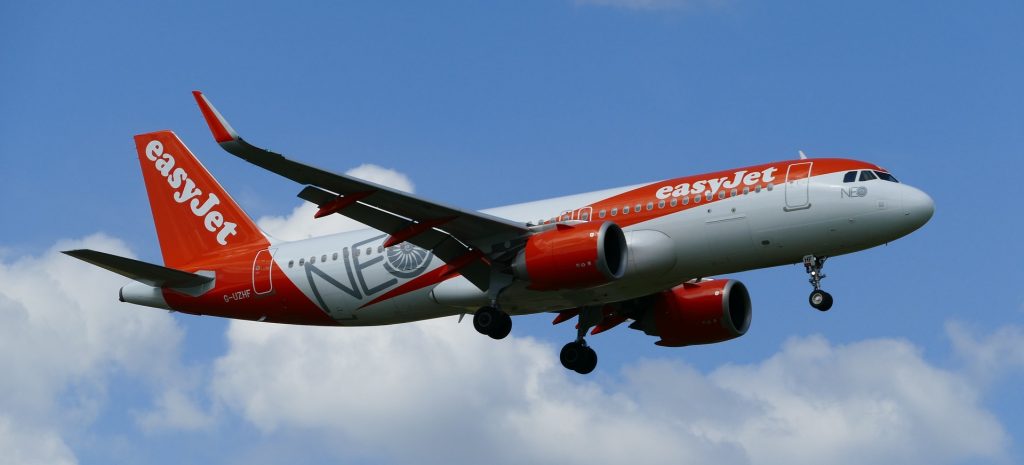
An Easyjet plane moments before landing.

Newer Fleets are The Answer

To reduce their carbon footprint, airlines need to renew their fleet, and this renovation process requires a lot of money to invest. Consequently, those who suggest higher taxes for the industry are more likely to produce the opposite, given that airlines will see their revenue plummet. However, airlines need money to replace older planes with newer ones built with lightweight materials and which burn less fuel.

Moreover, if governments levy higher taxes on tickets, flying will once again become something only rich people can afford. Indeed, Easyjet CEO described higher taxes as “wrong, unfair, immoral and an elitist measure”.

Only “Green Airlines” Should Receive State Aids

During the COVID-19 pandemic, many airlines received state aid to stay afloat. Nonetheless, Lundgren supports the idea that the institutions should only back up those carriers that are engaged in the green transition of the industry. Money injected into airlines that are doing nothing or little to compensate for their emissions represents a distortion of competition that has also impacted Easyjet negatively.

Nonetheless, Easyjet does not plan to appeal for any state aids for the time being, contrary to what Ryanair has been doing recently.
The tail of an Easyjet plane. Photo by Nivenn Lanos

Easyjet and Airbus

Easyjet and the European plane manufacturer, Airbus, are working together towards the realization of greener planes, whose launch on the market is planned for 2035. Moreover, Easyjet also partnered with the US-based Wright Electric, which expects to have a first E-plane carrying 186 passengers ready within 2030.

According to Easyjet’s CEO, the EU should play a role in providing airports with the appropriate infrastructures for this new generation of planes so that all costs do not weigh on airlines. Indeed the transition to a greener industry is in the interest of both airlines and the European governments. Such a scenario is one where the EU and governments help reduce the industry’s carbon footprint, not one where airlines or passengers need to pay higher taxes for flying.

What do you think of Lundgren’s position on this topic? Let us know in the comments below! 


You Might Also Like

CEO of Gatwick Airport Reacts to Restart of International Travel
Korean Air receives FTE APAC Pioneer Award
Separate Operations in Oman Air’s Acquisition of SalamAir
Qantas to Launch Aviation Training Academies from 2025
Alaska Airlines Increase Flight Network Frequency
Share This Article
Facebook Twitter Email Copy Link
What’s your thoughts?
Love0
Sad0
Happy0
Angry0
ByGiacomo Amati
Follow:
Aviation Reporter - Giacomo has been passionate about commercial aviation since his very childhood. Currently, he is pursuing a Master in Air Transport Management at the University of Surrey, UK. His expertise within the industry entails an internship with Emirates Airlines in Milan Malpensa airport and a bachelor's thesis on the financial status of the former Italian national carrier, Alitalia. Besides aviation, Giacomo loves foreign languages, German being his favourite one, and travelling.
Previous Article Mexican Airlines Prohibited From Adding Flights to The United States
Next Article United Airlines 777. United Airlines Will Not Furlough Staff This Autumn
Leave a Comment

Leave a Reply Cancel reply

Your email address will not be published. Required fields are marked *


Stay Connected

FacebookLike
TwitterFollow
InstagramFollow
YoutubeSubscribe

Trending News

Gautam Adani looks pensive as he stares out the window with his hands interlocked on the table.
Adani’s Possible Push Into India’s Airline Competition
Airlines Airports Aviation
Birds Eye view of MEL's plans for expanded check in areas
Qantas and Melbourne Airport plan for airport expansion
Airlines Airports Manufacturing
A Ryanair Boeing 737 taking off from an airport. The plane is mostly white with a navy blue underbelly and yellow stripe, as well as navy RYANAIR branding across the side of the fuselage and the company's logo on the navy blue tail. The nose is on the upper left of the image and the tail is lower centre right. The foreground shows tarmac surrounded by yellowing grass. The background shows a blueish grey sky.
NTSB States Nothing Has Been Ruled Out Investigating Ryanair Incident
Airlines Aviation Incidents & Accidents
Side view of the full length of Air India's VT-ANT with its landing gear extended in the sky.
Singapore Airlines Open to Investing More into Air India
Airline Economics Airlines
A Qatar Airways Boeing 777-200LR departing on a long-haul flight
Qatar Airways Delays Launch of Bogotá and Caracas Services until September
Airlines Aviation Route Development

Travel Radar is the leading digital hub for all things aviation and air-travel. Discover our latest aviation news, aviation data, insight and analysis.


Discover

  • Latest News
  • Subscribe
  • Weekly Digest
  • Contact Us
  • Privacy Policy
  • About Us
  • Advertising
  • Media Coverage
  • Press & Events
  • Join Our Team
  • Our Brands

Signup to our Newsletter!

And get the latest aviation news via our weekly news digest!

© Travel Radar Media Ltd. 2015-2026 | ISSN #2635-0696 | Trademark #UK00003579704
adbanner
Welcome to the TR Community!

Sign in to your account

Not a member? Sign Up