

Biometric identity systems are being introduced at more airports in 2026, with aviation technology firms and industry organisations stating the tools can reduce processing times and support travellers with reduced mobility.
Deployment and Reported Benefits
According to SITA, an aviation technology provider, trials at participating airports recorded faster processing times compared with manual checks. The company added that biometric identity verification will allow some travellers, particularly those requiring assistance, to move through airports more independently.
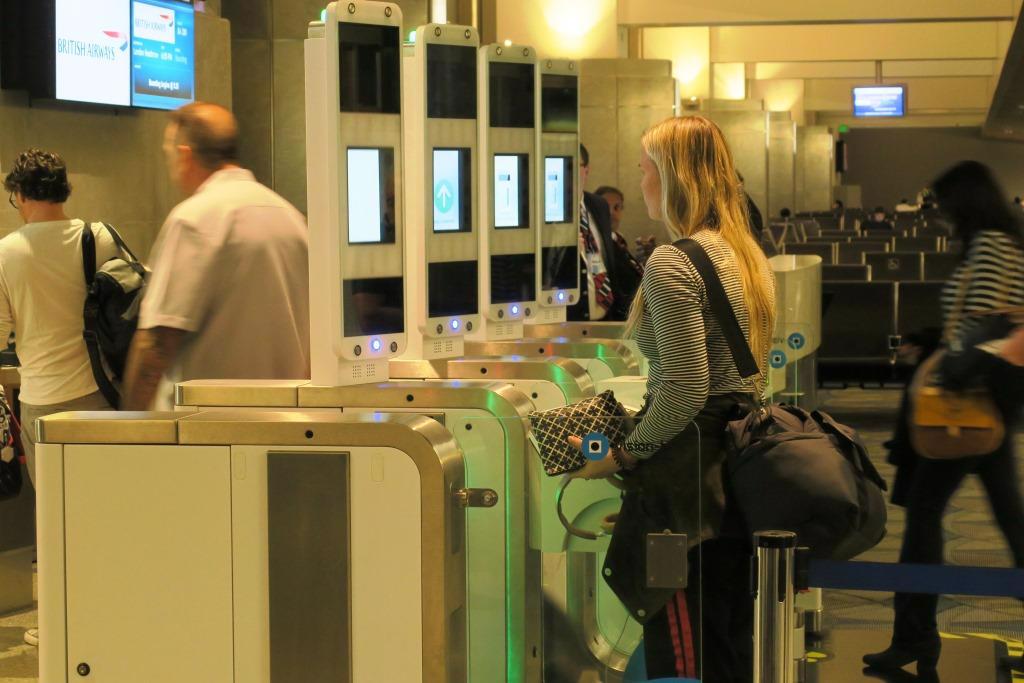
SITA said its “Smart Path system is being deployed across several airports in Europe and North America this year. The system uses facial recognition to verify identity at check-in, security and boarding, removing the need for repeated document checks.”
Airport operators involved in early deployments have reported improved efficiency during peak travel periods, though detailed performance data has not been independently verified.
Regulation and Ongoing Concerns
The expansion comes as regulators continue to assess the use of biometric data. In the European Union, systems must comply with General Data Protection Regulation (GDPR) requirements, including obtaining user consent and ensuring secure handling of personal data.
Privacy groups have raised concerns about data storage, potential misuse and bias in facial-recognition systems. There are also questions around accessibility and inclusion, particularly for travellers who require alternative screening options to remain available.
As biometric identity systems expand, airports and regulators are continuing to balance operational efficiency with data protection requirements and inclusive access for all travellers.
What do you think about using the biometric systems? Let us know in the comments below.