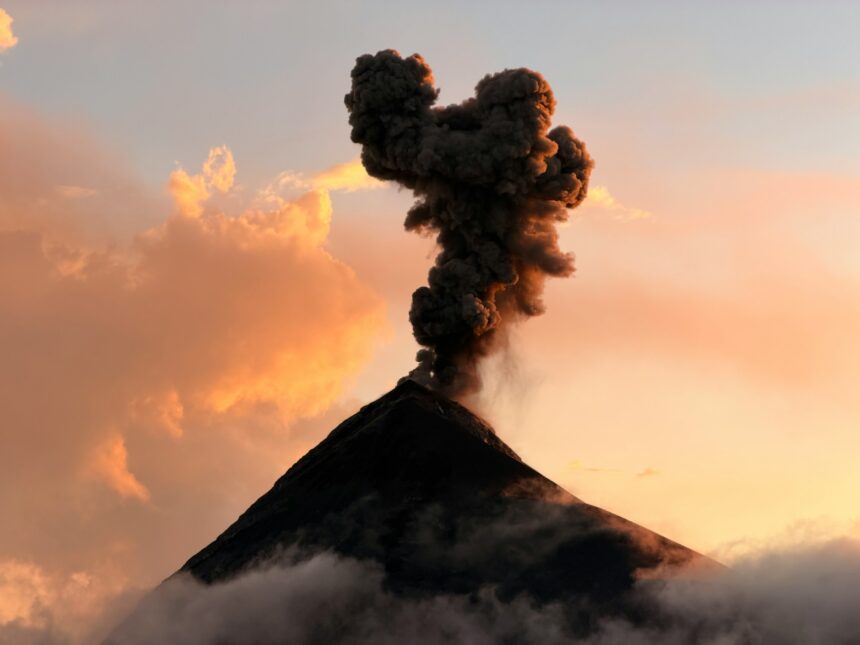
Indonesia’s Mount Anak Krakatau has erupted on late Sept. 4, sending ash and plumes across Java and Sumatra. Volcanic ash was detected at the airport on Sept. 6, prompting flight suspensions across eight airports in Indonesia, including the Soekarno-Hatta International Airport near Jakarta.
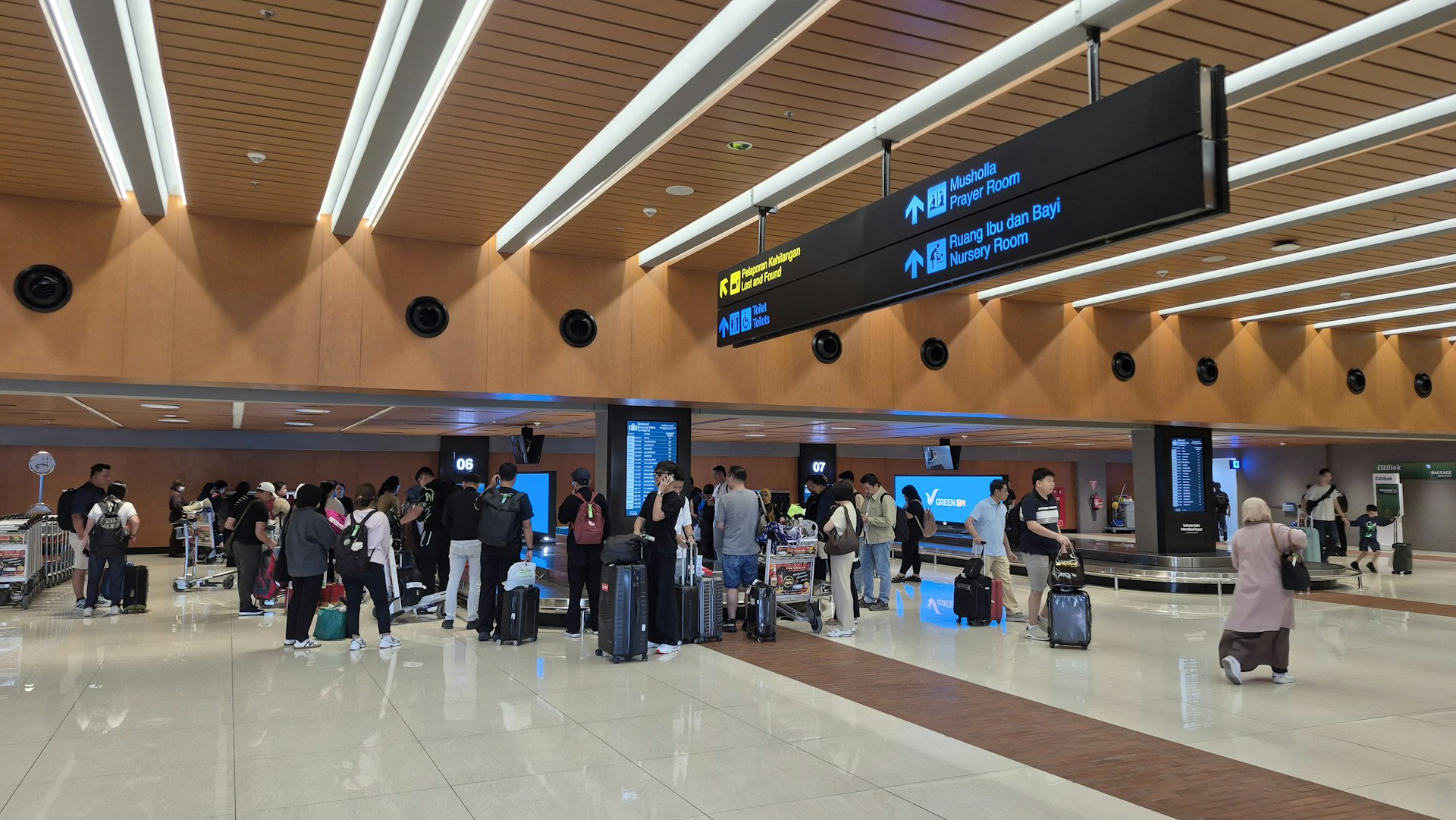
Volcanic Ash Disrupts Flights
Eruptive activity from Mount Anak Krakatau has raised concerns about flight safety, where volcanic ash is released to the air. This prompted the authorities to suspend flights until 6 p.m. local time on Monday. This affected about 270,000 passengers across eight airports.
The eight airports affected included Soekarno-Hatta International Airport, located in Tangerang, near Jakarta. Other airports include smaller airports in Jakarta, Bandung, Lampung, Curug, South Tangerang, South Sumatra, and Pesisir Barat.
Mount Anak Krakatau is located in the Sunda Strait between Java and Sumatra. According to Indonesia’s meteorology, climatology and geophysics agency, Badan Meteorologi, Klimatologi, dan Geofisika (BMKG), the eruption started late on Sept. 4. The latest Significant Meteorological Information (SIGMET) from Sept. 7, 06:30 a.m. to 09:30 a.m. local time indicated that volcanic ash reaches an altitude of 45,700 feet, moving west towards Banten, West Java, Lampung and Bengkulu.
BMKG is currently monitoring further volcanic activity in a 24 hour window and has confirmed the airport closures are not cause for concern, but rather a proactive mitigation measure to ensure safe travel.
Effects of Volcanic Ash on Aircraft
Volcanic ash is extremely dangerous for aircraft. It can reduce the visibility for pilots, making it difficult to spot obstacles, other aircraft, or the runway during approach and departure. It can also be difficult to distinguish ordinary clouds and ash clouds midair.
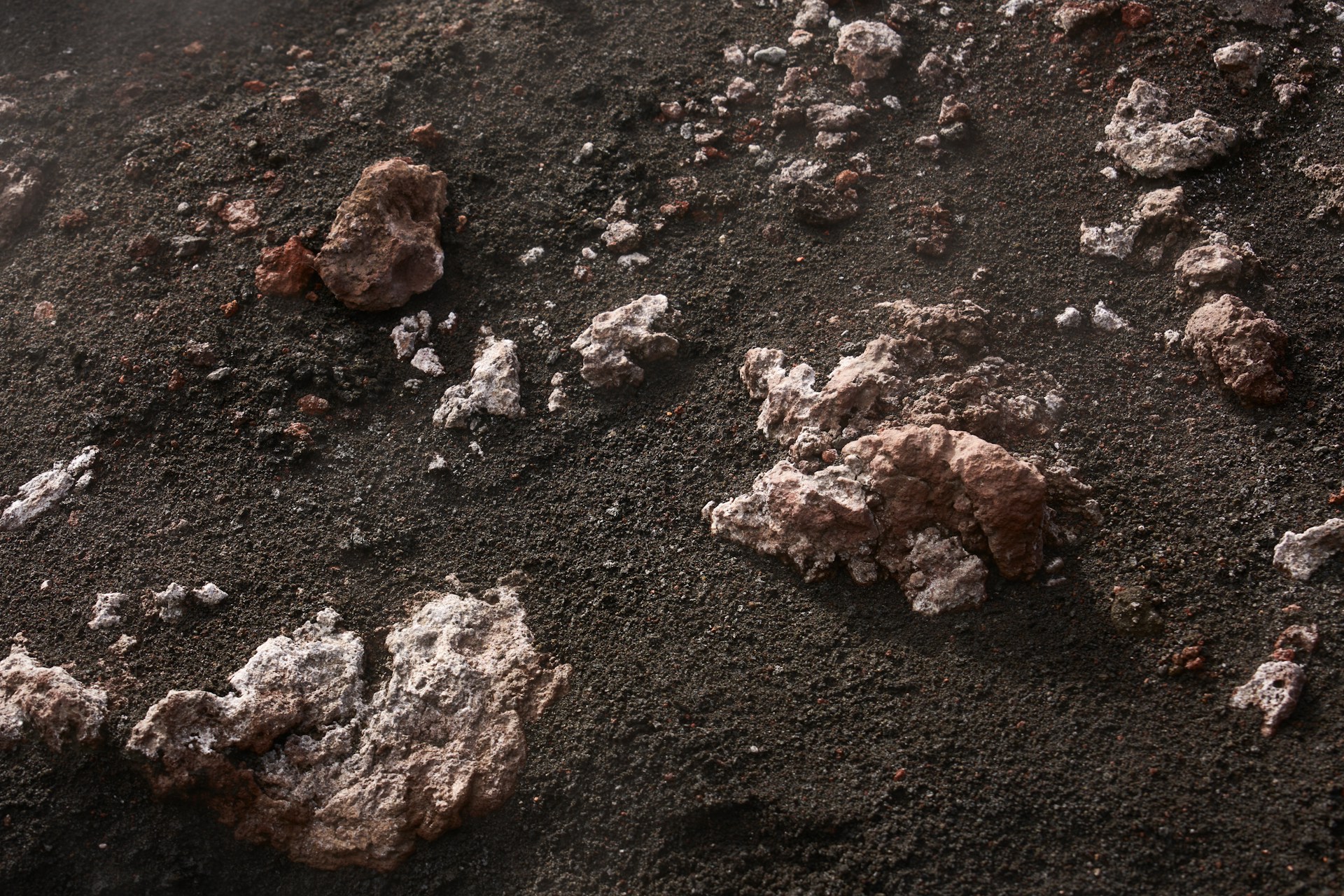
During a volcanic eruption, large amounts of pulverised magmatic rock and ash are released into the air. These particles are hard and abrasive, which can damage the plane’s exterior.
If a plane flies through an ash cloud, the high temperatures of the engine can melt these particles, but when they reach the cooler parts of the engine, they can solidify and form glass particles which will disrupt airflow. This can potentially cause compressor stalls or engine flameout, resulting in engine failure. However, when an engine shuts down midair, it cools quickly, causing the solidified material to crack and flake off, which is what allows the engine to be restarted.
The 1982 British Airways flight from Kuala Lumpur to Perth is one notable case of engine failure due to volcanic ash. The plane had unknowingly flown into an ash cloud over Indonesia, causing all four engines to fail midair. The plane dropped from 11,300 metres to 3,650 metres before the engines started working again, and eventually made a safe landing in Jakarta.
What do you think could be done to minimise flight disruptions during a volcanic eruption? Let us know in the comments!