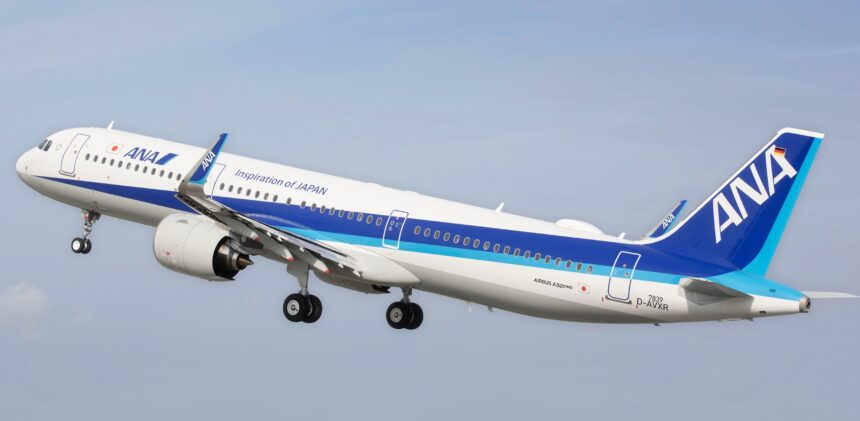
Japan’s All Nippon Airways (ANA) has introduced a scheme which will allow passengers to financially contribute to the airline’s use of Sustainable Aviation Fuel (SAF). Passengers will now be offered the chance to pay more for their tickets, in order to offset some of the flight’s carbon emissions. This expands the scheme which ANA first used for business and cargo flights in 2022.
How Can Passengers Contribute to SAF?
The new ‘Personal Program’ of ANA’s ‘SAF Flight Initiative’ will join the ‘Corporate Program’ in raising funds for ANA’s investment in SAF production.
The scheme will be entirely voluntary, with each individual passenger choosing, when they purchase their ticket, what proportion of their flight’s carbon emissions they want to pay to offset.
The airline’s Executive Vice President Seiji Ejima said that
“ANA prioritises shaping the future of aviation and building a more sustainable society.”
“Accelerating the decarbonisation of the aviation industry through leveraging SAF is crucial to achieving our goal of reducing CO2 emissions.”
The implementation of the scheme will be managed by the Norwegian software company Chooose AS.
What is SAF?
SAF refers to the synthetic construction of aircraft fuel using a method which minimises the net impact of their production and consumption on the environment.
This is often done by converting food waste or synthetic alcohols into hydrocarbon-based fuels, or by capturing carbon dioxide (CO2) and hydrogen from the atmosphere.
This process has no impact in the quantity of CO2 released into the atmosphere during a flight. Despite this, it is believed by proponents of SAF schemes that it could potentially reduce total greenhouse gas emissions by 80% compared to the use of conventional fuels.
The discrepancy in carbon dioxide emissions would stem from the use of carbon that was already in the atmosphere, meaning there are no net emissions, and by avoiding methods of fuel production which involved drilling for oil and natural gas.
While SAF is becoming more common, it is considered financially unviable by some airlines.
Is This the Best Way to Fund SAF?
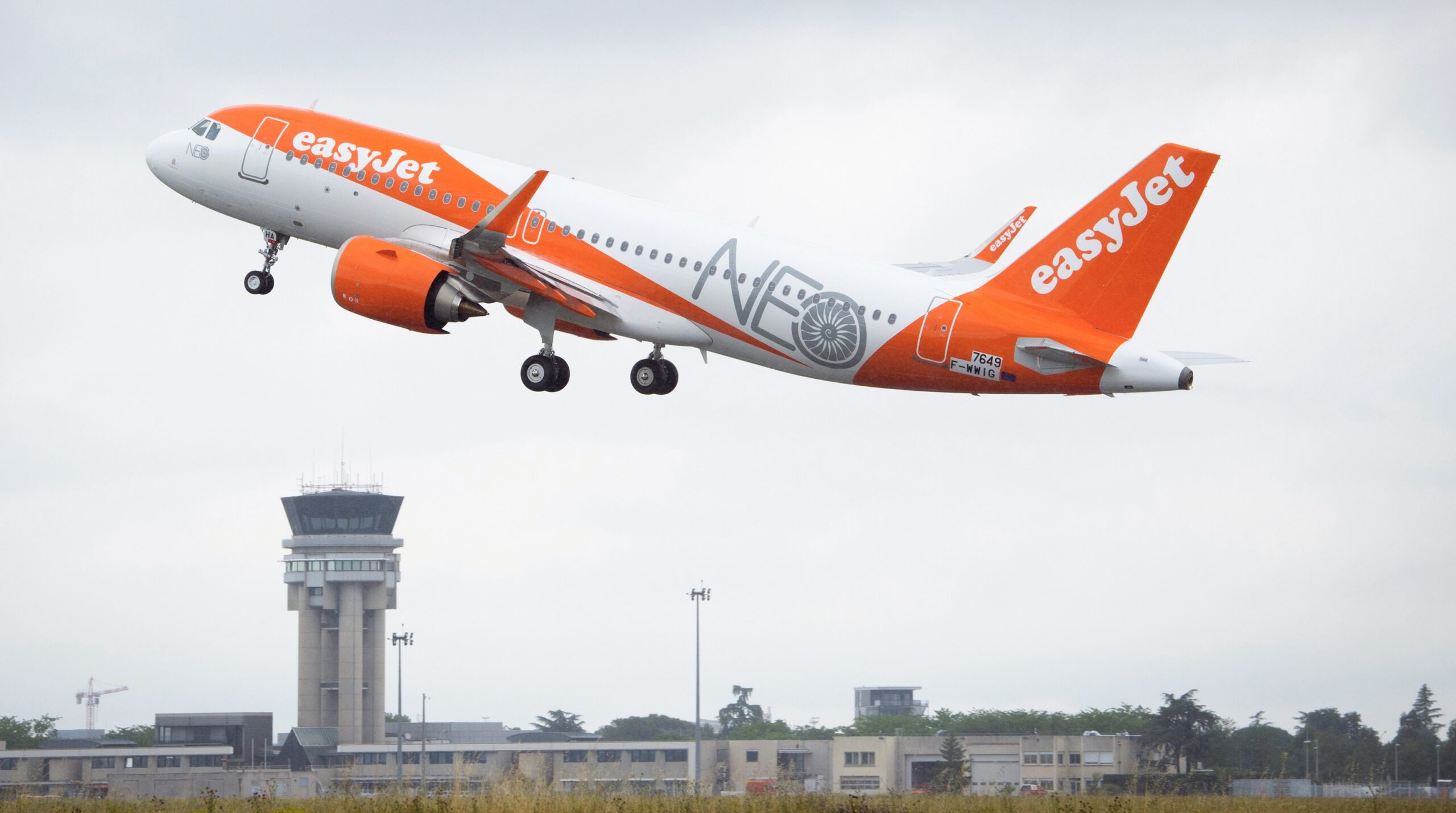
Many airlines across the world, including American Airlines, British Airways, and EasyJet, contribute directly to SAF research and production, instead of through a voluntary contribution scheme.
The Aircraft manufacturer Boeing has also invested significantly in Canadian and Australian SAF schemes, while its rival Airbus contributes to a joint scheme alongside EasyJet.
Despite being Japan’s largest commercial airline, ANA only contributes to SAF production through its SAF Flight Initiative, which is entirely funded by voluntary contributions.
ANA released a joint report alongside Japan Airlines in May, which detailed their commitment to SAF as a means of achieving net-zero carbon dioxide emissions across the aviation industry by 2050.
Do you think SAF is the future of air travel? Are you planning to fly with ANA soon? Let us know in the comments.