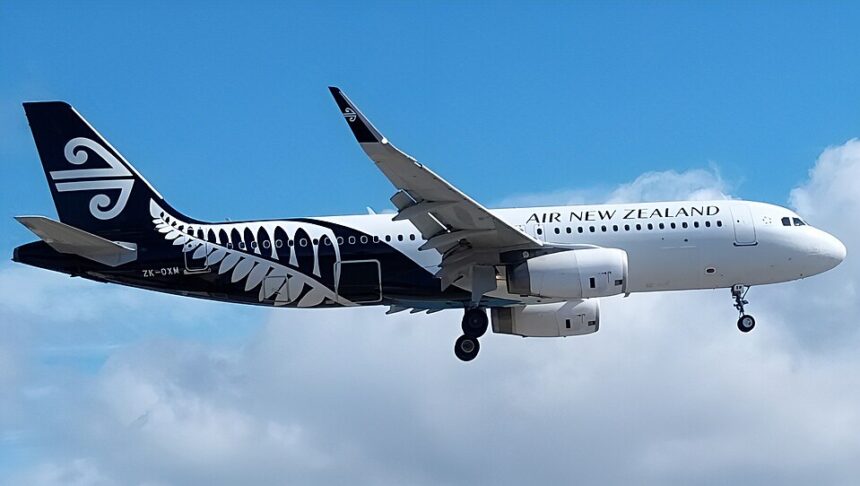
Air New Zealand moves closer to restoring its grounded aircraft fleet over the next two years.
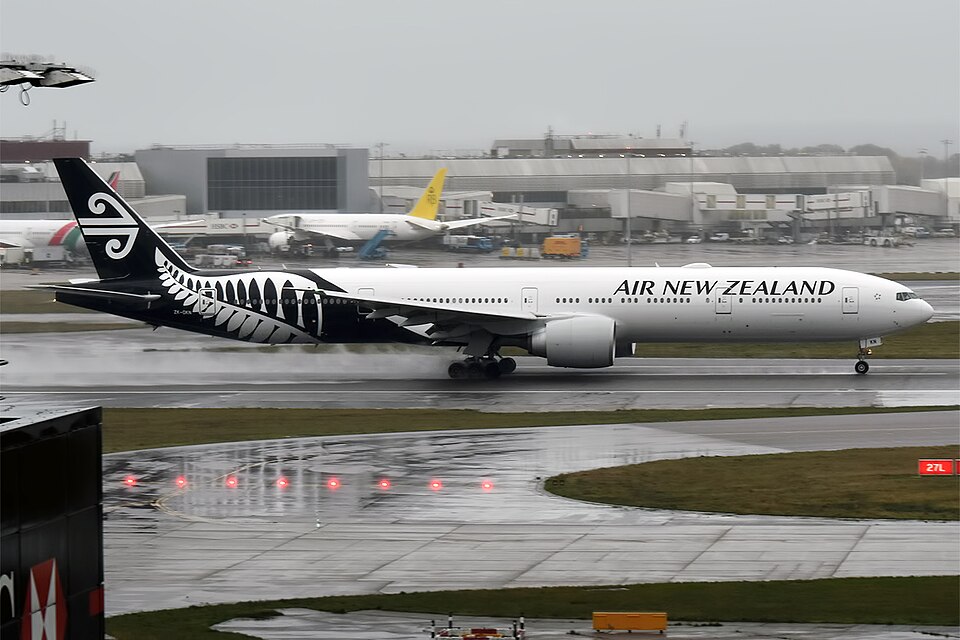
Return to operations by 2027
The Auckland-based national carrier has confirmed that all of its Boeing 787-9 Dreamliners currently unavailable for operations are expected to return to service by the end of June 2026, while its Airbus aircraft recovery programme is projected to continue through 2027.
The development is significant for the Pacific regional tourism, long-haul travel capacity, and international connectivity between New Zealand and major global destinations.
Air New Zealand, like several international airlines, is facing engine supply and maintenance delays and has had to balance growing passenger demand with operational shortages caused by aircraft downtime.
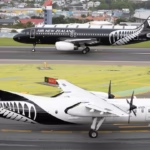
A number of the New Zealand carrier’s aircraft remain temporarily inactive, including multiple Boeing 787-9 Dreamliners and Airbus A321neo jets. Some of the Dreamliners are also undergoing cabin upgrades as part of the airline’s broader onboard modernisation strategy, separate from engine-related maintenance requirements.
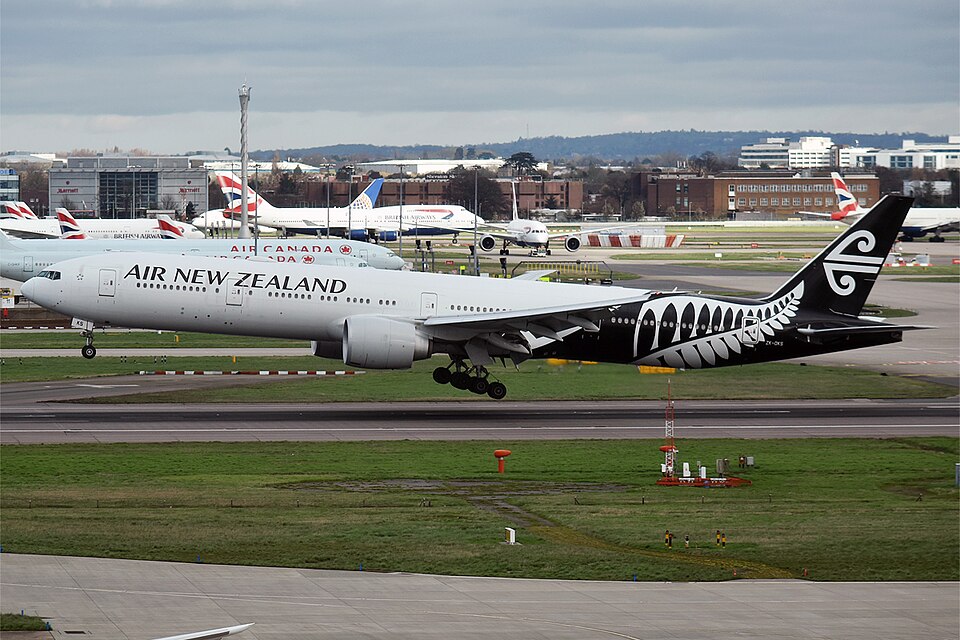
Rolls-Royce Trent 1000 engines inspections and supply chain issues
The airline industry continues to experience pressure from global engine maintenance backlogs and delayed component availability. In Air New Zealand’s case, issues linked to Rolls-Royce Trent 1000 engines have contributed to reduced aircraft availability with the Boeing 787 fleet.
The Trent 1000 engine family powers many Boeing 787 aircraft operating worldwide. In recent years, airlines using these engines have experienced maintenance complications and extended servicing timelines due to durability inspections and supply chain issues.
These challenges have affected flight frequencies, route planning, and aircraft scheduling across several international carriers, including British Airways, Virgin Atlantic, Thai Airways and LATAM to name a few.
Air New Zealand has relied on leased aircraft and additional spare engines to keep up operations while its own fleet undergoes repairs, inspections, and scheduled maintenance.
The airline expects these temporary arrangements to continue until more aircraft progressively re-enter active service.
Despite operational difficulties, Air New Zealand has maintained its focus on preserving international connectivity and supporting tourism flows into New Zealand, which remains heavily dependent on reliable long-haul aviation links.
The airline is working towards a fully operational restoration by 2027 with the return of Boeing 787 and Airbus aircraft.
What are your thoughts on this article? Let us know in the comments.