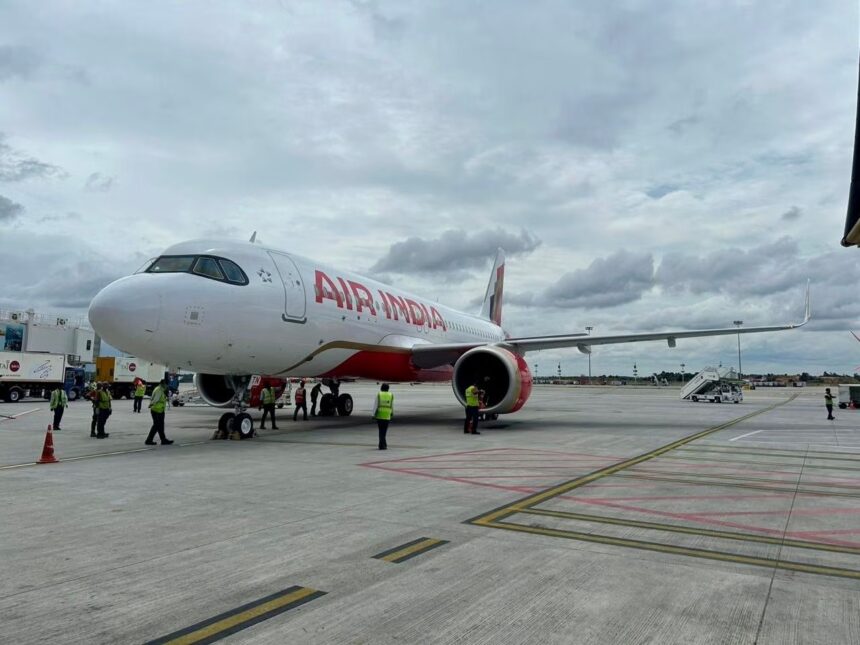
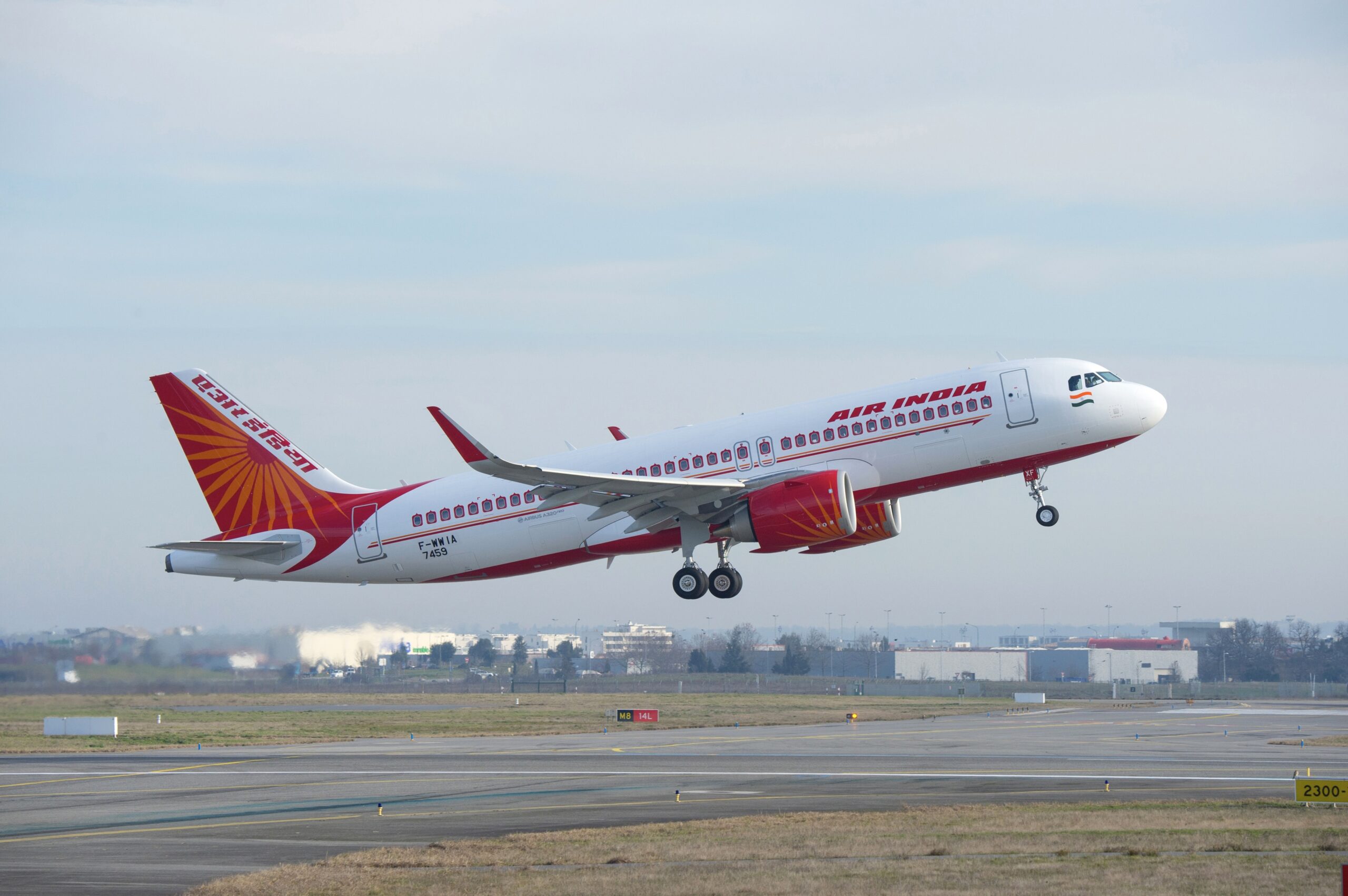
Preliminary analysis from Airbus, published on Friday, Aug. 14, found that Air India flight AI2379 lost key flight controls during its Aug. 4 journey. The Airbus A320 reportedly dropped 300 feet in a few seconds due to a hydraulic failure, injuring 24 passengers. The analysis will continue as part of a joint investigation between Airbus and Air India.
What Happened to Flight AI2379?
The crew of flight AI2379 from Phuket International Airport, Thailand (HKT), first reported an incident after landing safely at Indira Gandhi International Airport, Delhi (DEL), at 11:14 a.m. local time Aug. 4.
The report said the crew briefly lost control of the plane’s elevators and ailerons mid-flight. These sections of the wings and tail control whether the plane points upward or downward, and whether it banks left or right.
This caused the aircraft to pitch upward and begin to lose altitude rapidly.
The flight’s first officer said that there was “no direct response” when the crew tried to correct the fall with a nose-down input.
The crew regained control after four seconds and completed the journey safely, with no further incidents.
What Caused the Loss of Control?
Air India initially claimed the incident was caused by “brief in-flight turbulence”, though this description was dropped from accounts of the event after Airbus began its investigation.
Airbus’s preliminary analysis suggests all three of the aircraft’s hydraulic systems experienced a sudden loss of pressure, reducing the responsiveness of the elevators and ailerons to cockpit inputs.
The flight’s captain allegedly tested positive for marijuana shortly after landing, but no official link has been drawn between the drug test and the loss of altitude.
India’s Aircraft Accident Investigation Bureau (AAIB) has classified the loss of altitude as a serious incident. This means the AAIB will continue investigating the potential causes of the sudden loss of altitude, alongside Airbus and France’s Bureau of Enquiry and Analysis for Civil Aviation Safety.
What Happens Next?
Airbus said the A320 experienced forces above the manufacturer’s specified limits during its loss of altitude.
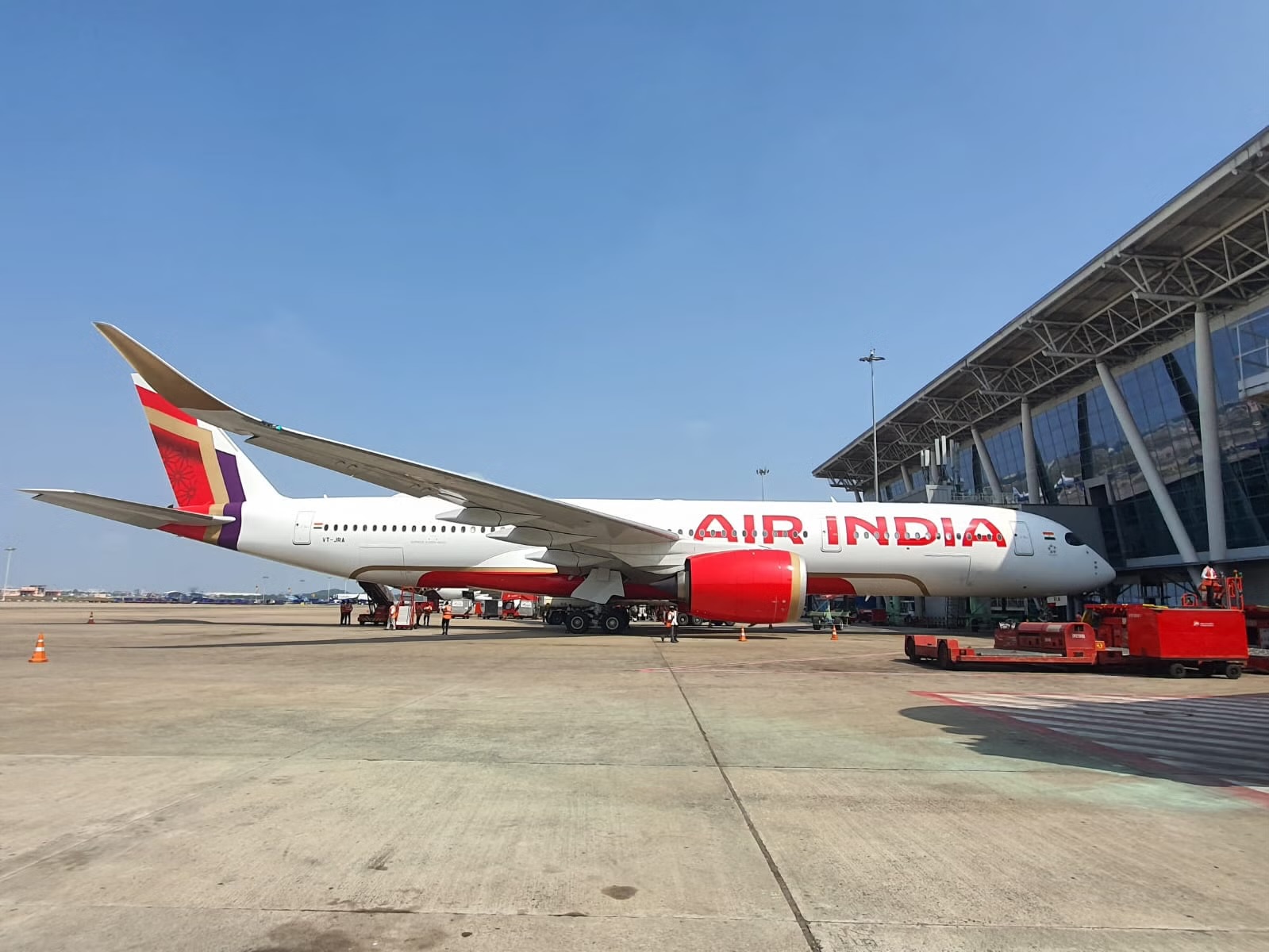
It has therefore asked Air India to inspect the aircraft for structural damage before returning it to commercial service.
Airbus has also requested details of the hydraulic system maintenance work that was conducted on the plane in the month before its apparent sudden loss of hydraulic pressure.
Air India has also begun mandatory substance testing for all pilots working for Air India or its subsidiary, Air India Express.
The Indian flag carrier has been under increased scrutiny following flight AI171’s crash in Ahmedabad, which killed 260 people in June 2025.
Is Air India doing enough to improve safety? What more do you think Airbus’ investigation might discover? Let us know what you think in the comments.