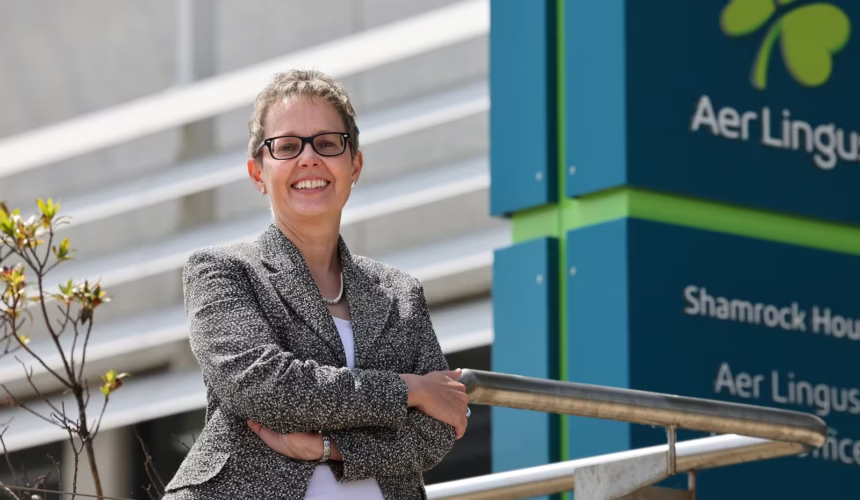
Negotiations between Aer Lingus and its pilots over 500 proposed job redundancies collapsed, ending after 12 minutes. The walkout highlights tensions between airline management, led by chief executive Lynne Embleton, and the Irish Air Line Pilots’ Association (IALPA) over whether a European-level union body must be involved before domestic restructuring can proceed.
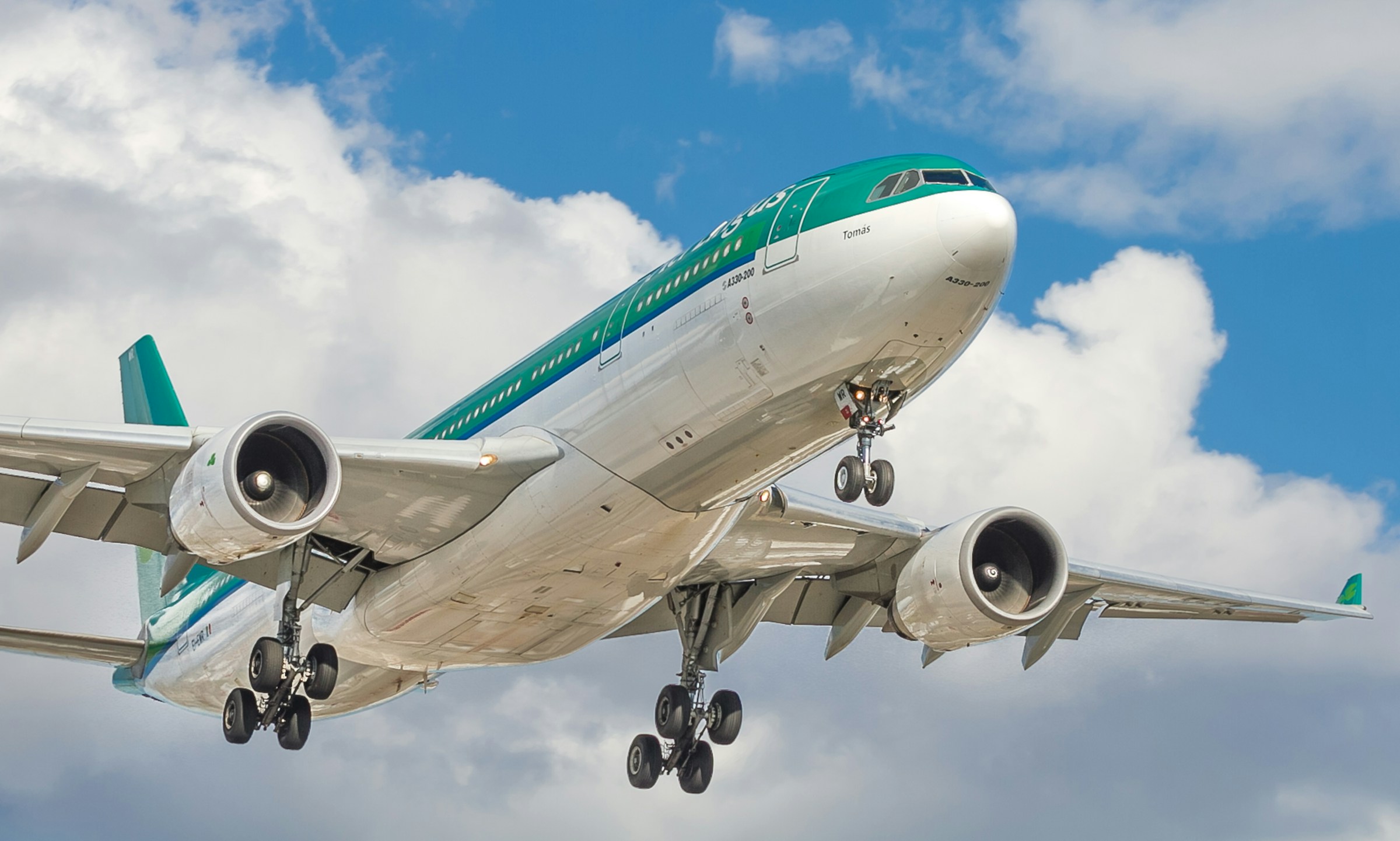
Dispute Sparks Sudden Walkout
The breakdown of the talks occurred when Aer Lingus rejected the involvement of the International Airlines Group (IAG) European Works Council (EWC). Earlier this month, the EWC – which represents workers across Aer Lingus’s Spanish-domiciled parent company, IAG – asserted that it has a legal right to be consulted on the restructuring plans before local (Irish-based) talks begin.
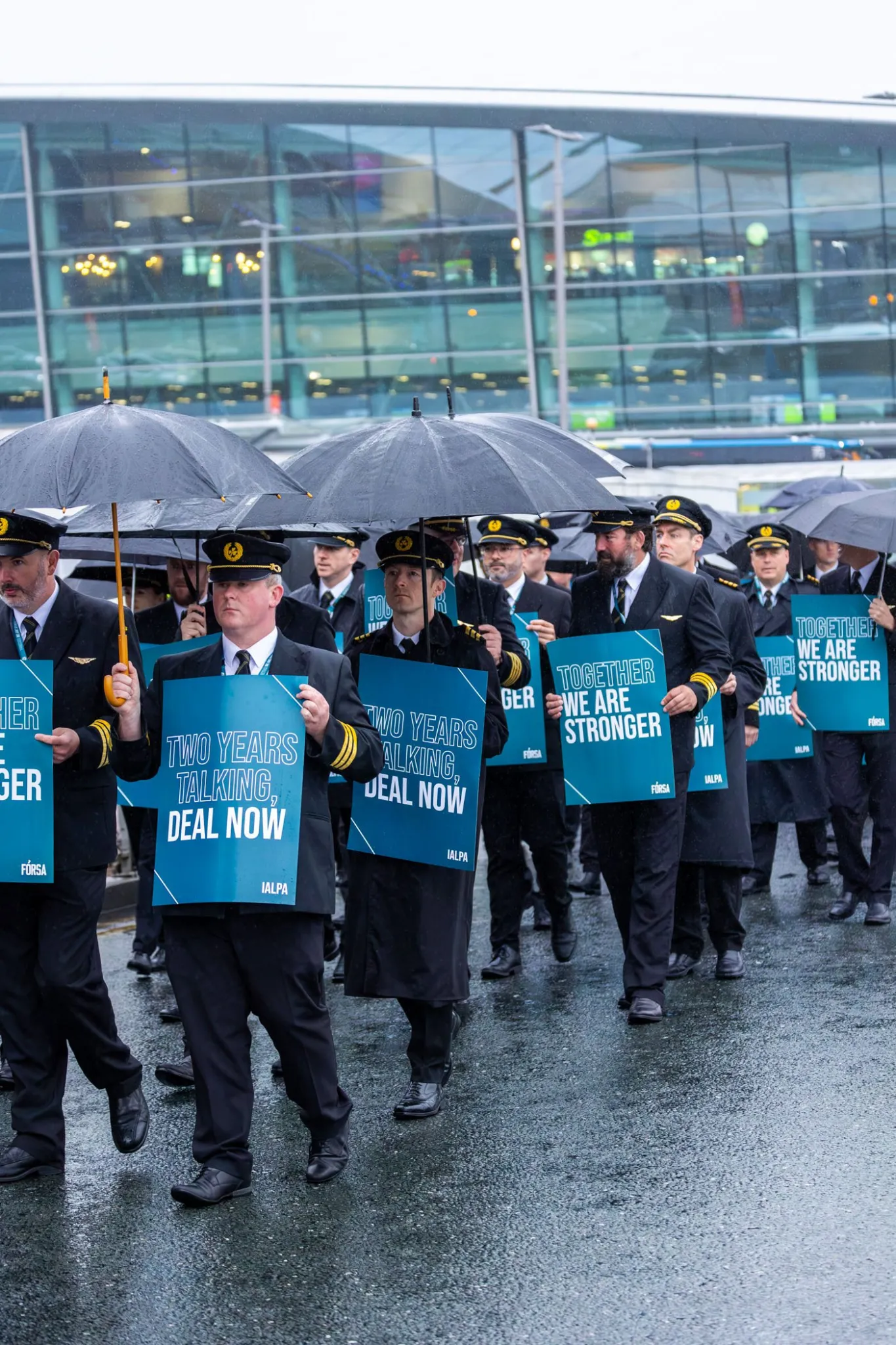
Aer Lingus rejected the intervention as “a stunt”, prompting a strong response from IALPA’s president, Daniel Langan, who expressed deep disappointment with management’s sudden departure:
“IALPA remains willing to discuss, listen to and work constructively with Aer Lingus to avoid any requirement for compulsory redundancies… It was therefore extremely unhelpful for the company to characterise the legal position concerning the IAG EWC as a ‘stunt’, or to suggest that IALPA is the only group unwilling to engage with Aer Lingus.”
Langan added that management had “no reason” to end the meeting.
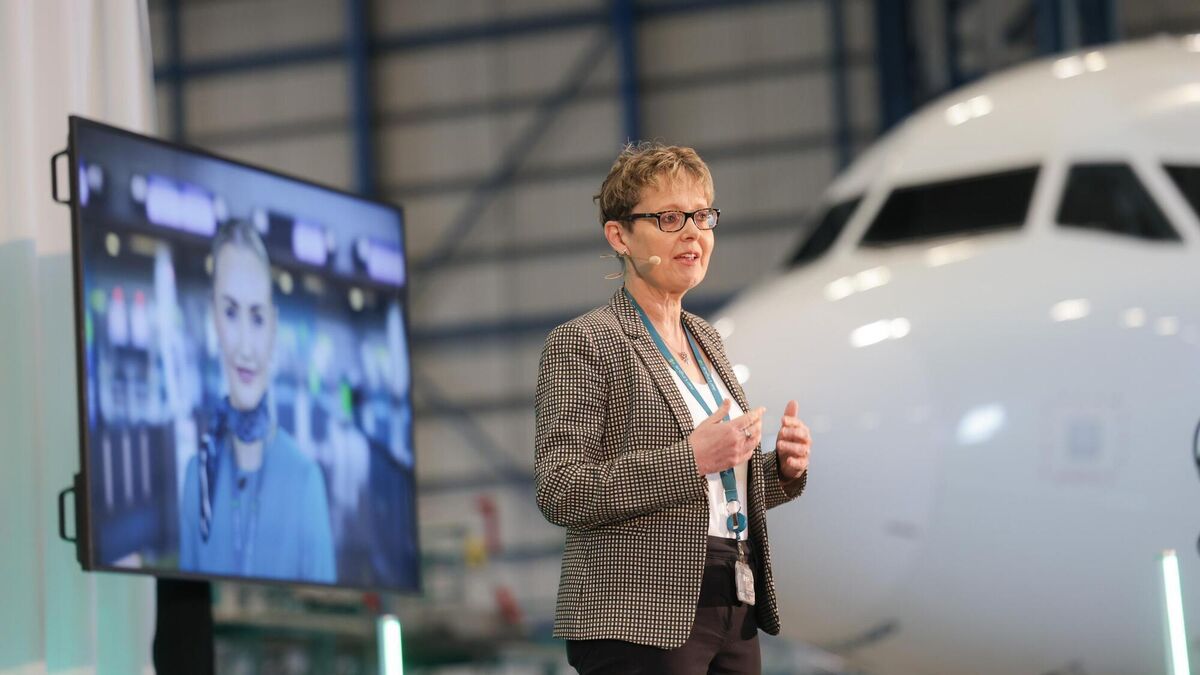
Jurisdiction Clash
The core disagreement centres on whether the restructuring constitutes a transnational matter. Aer Lingus argues the proposals affect only Irish‑based staff, therefore falling entirely within domestic labour law. A spokeswoman said the airline “has no obligation to inform or consult with the EWC”, adding that the company is fulfilling its statutory duties under Irish legislation.
IALPA insisted it sought to discuss the job cuts on a “without prejudice” basis to ensure any future EWC‑related procedures were protected, arguing that any legitimate consultation must address both statutory and collective‑agreement requirements rather than treating them as separate processes. Aer Lingus rejected this approach, stating there was “no merit” in pausing statutory consultations or holding parallel meetings to accommodate an unspecified external legal process.
Financial Rationale for the Cuts
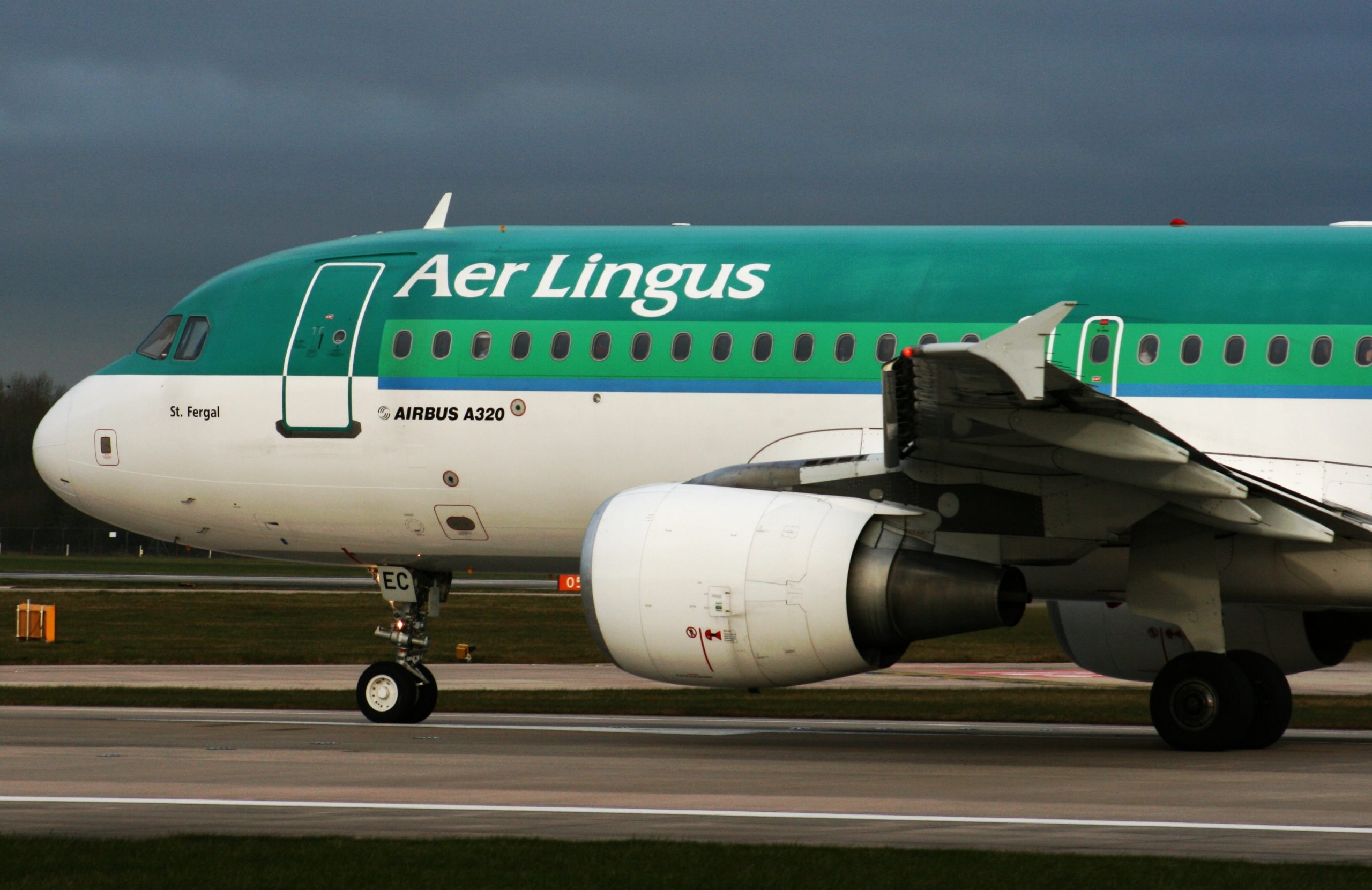
The restructuring plan, first reported in July amid mounting operational pressures, involves 500 job losses across the airline: 290 head office roles, 140 cabin crew positions and 70 pilot jobs. Aer Lingus says the reductions are necessary to improve financial performance and meet IAG’s medium‑term targets. The airline is aiming for an operating margin of 12 to 15 percent, a level it says is required to support future investment.
Aer Lingus posted a 34 million euros loss in the first half of the year due to rising costs, yet recorded a 69 million euros profit by June, expecting to end the year with an overall profit. The contrasting figures have prompted questions from union representatives about the urgency of compulsory redundancies.
Union Split and Wider European Implications
While pilot talks have stalled, Aer Lingus has already begun consultations with Fórsa and Siptu, two Irish trade unions representing Aer Lingus’s non‑pilot staff – on the 290 head‑office roles.
EWC facilitates dialogue on transnational restructuring within the European Union (EU) and the European Economic Area (EEA). While they cannot organise industrial action, they influence how parent companies engage with local subsidiaries. The unresolved dispute between Aer Lingus and IALPA is likely to shape how multinational airline groups such as IAG manage labour relations across individual European jurisdictions.
Do you think unions should be consulted before redundancies are made? Let us know in the comments.