People who often embark on long-haul economy flights are well aware of the challenges that come with such experiences. In fact, they usually have several tricks up their sleeve that they rely on not just to avoid jet lag but also to ensure that they are comfortable before, during, and after the flights. But if you are new to these flights, you may feel a little out of your depth when it comes to measures that can help you smooth out your experience.
We have some ideas that you will love.
What Makes Long-Haul Flights Uncomfortable?
Airlines have come a long way since their inception, and they are always coming up with new ways to make flights pleasurable for their passengers. Take flight schedules, for example. Airlines know that structural mishaps can result in increased ground time, which would disadvantage their passengers. So, rather than leaving the operations to chance, they partner with organizations like Magnetic Enginestands, about whom you can learn more on website magneticenginestands.co, to ensure that they minimize ground time and run their flights on schedule.
But while airlines may have the operational side down, there are things that they cannot control, and as such, their long-haul flight passengers encounter the following issues:
- Altitude stress. Cabins have changed over the years to offer more ambient conditions. But even so, they are still pressurized and have low humidity. These conditions pave the way for fast fluid loss and dryness;
- Circadian rhythm interruptions. Long-haul flights come in two main forms. They can either last longer than 6 hours or cover over 5,500 kilometers. Either way, passengers spend a lot of time in the air and are likely to cross time zones. This prolonged flight time or arrival in a different time zone can lead to jet lag owing to disruptions in the sleep-wake cycles;
- Physical discomfort. As much as people can move around during the flight, most remain seated. As studies have shown, being immobile for hours on end leads to issues such as reduced blood circulation, joint stiffness, and overall physical fatigue.
Passengers also report leaving these flights feeling mentally and emotionally drained from the continuous engine noise and air bumps.
Combatting the Discomfort
Despite what you may have seen or heard, flights do not have to be uncomfortable. In fact, with some changes, you can start enjoying your trips much more. How?
Choose the Most Suitable Aircraft
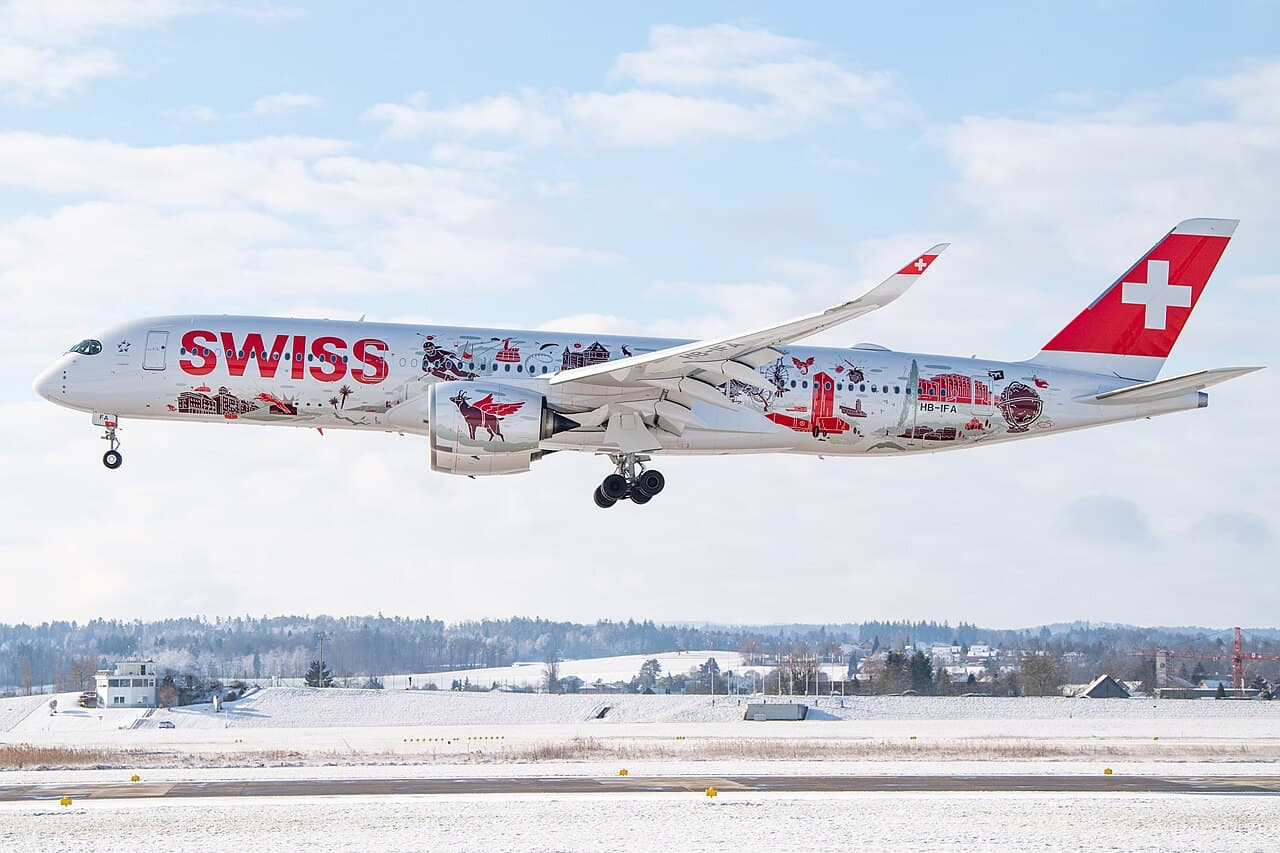
Long-haul routes often have wide-body aircraft, but these are not all designed the same. If anything, next-generation composite airframes offer much better performance and comfort than their older counterparts. Take the Airbus A380, for example. Thanks to its amazing sound insulation, people find it quite easy to sleep in its cabin. So, rather than selecting airplanes in general, do some research into the specific aircraft types being used and go for newer options such as the Boeing 787 Dreamliner or Airbus A350, if possible, over traditional types like the Boeing 777 and Airbus A330 (ceo).
Select the Best Seat
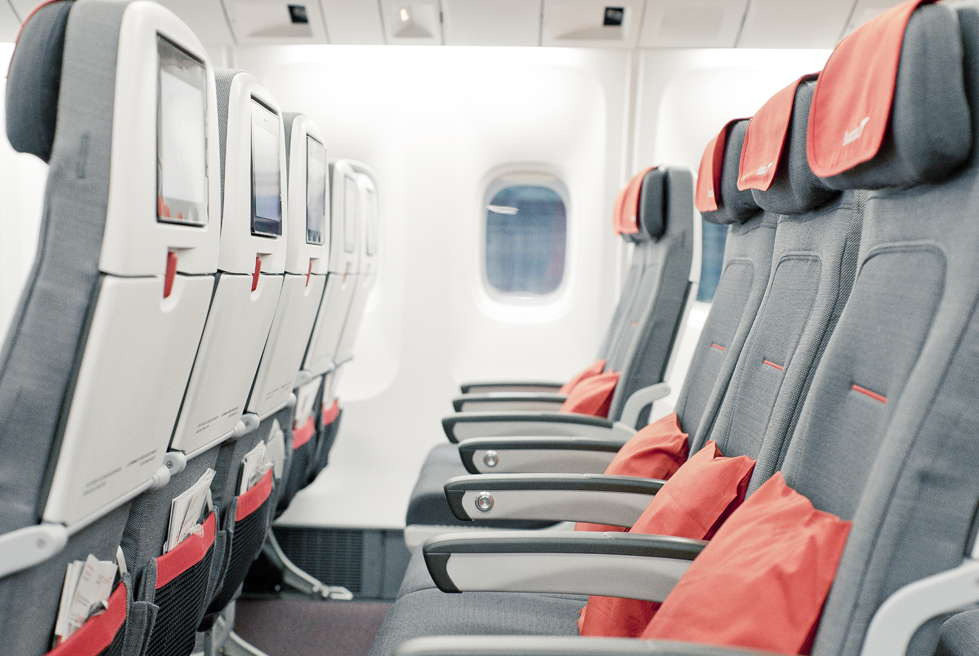
Some people do not like choosing seats because they think that all seats are the same. But that could not be further from the truth. If you want a seamless flight, choose a seat over the wing, as this is the most stable section and you will experience minimal turbulence. And while the back rows may look appealing, avoid them, as sitting here means being close to the washrooms and galleys, which means constant foot traffic.
Prepare Yourself
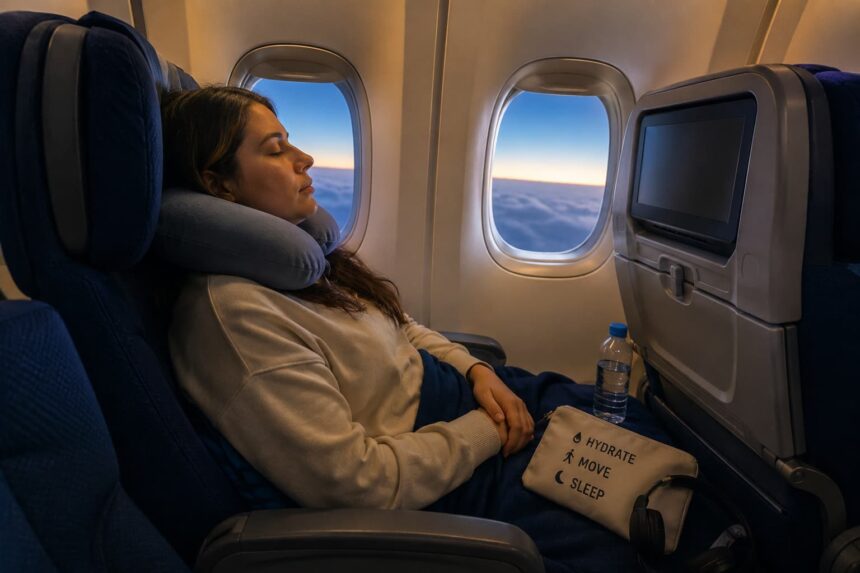
Before getting on the flight, you should hydrate adequately, aiming for 250 ml of water per hour, as this will help you combat the dryness caused by altitude stress. And while most flights offer alcohol and caffeine onboard, consume these in moderation, as these drinks can dehydrate you.
It also helps to move every two to three hours, which you can do by walking the aisle, as this boosts your blood circulation. If you would rather sleep during the flight, you can invest in a good pair of compression socks.
Sleeping adequately before the flight is also advisable, as it helps your body adjust to the time zone change. And since sleeping on the plane may feel foreign, you can wear noise-cancelling headphones or earplugs to help you block off sounds from the engine and other people.
These strategies may seem simple, but they work like a charm every time.