Flight operations in the United States were heavily disrupted over the weekend following the nationwide ground stop on Friday, Nov. 13. The Federal Aviation Administration issued the grounding of all flights within the US following reports of an issue with its air traffic control (ATC) system. Flight operations were significantly impacted across the weekend after the grounding order was lifted, with thousands of flights cancelled across the weekend.
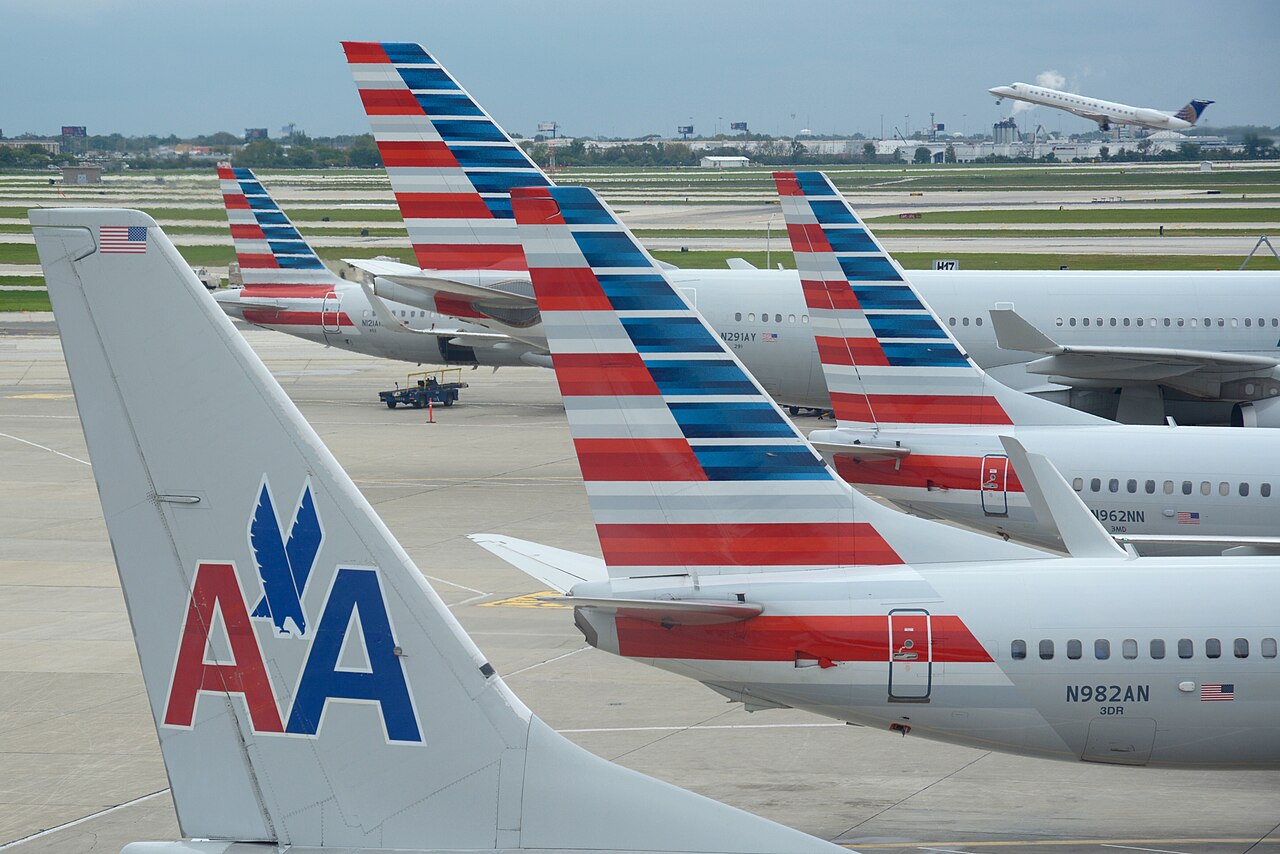
Flights Disrupted Across the US Following Ground Stop
Following the FAA-issued ground stop on Nov. 13, flight operations nationwide were halted after the Federal Aviation Administration reported an issue with the air traffic control system. The FAA lifted the flight stoppage after about 4 hours, at around 8.15 p.m. (EST), making it the longest nationwide ground stop in 25 years.
On Friday, 3500 planes had been mid-flight when the ground stop was announced by the FAA at approximately 3.30 p.m. (EST). Some were diverted to nearby airports whilst others were able to complete the length of their journey. On the ground, 12,000 flights were cancelled which included 9,082 by major US airlines.
Airline operations continued to be significantly disrupted over the weekend as the ATC system recovered from its temporary outage. On Saturday, Nov. 14, another 5,900 flights were cancelled, and more than 7000 were significantly delayed.
Secretary of Transport Sean Duffy also confirmed that over 8,800 flights were delayed and an additional 2,400 were cancelled on Sunday, Nov. 15. Duffy also stated that his department expected operations to resume as normal by Monday. He explained the continued disruption to flight plans after the ground stop was lifted:
“What happens with a ground stop, like on Friday, we have airplanes and crews that are out of position, so it takes a little bit of time for the airlines to get back and choreographed and at full capacity and operations, but we’re well on our way.”
Federal Aviation Administration Administrator Bryan Bedford stated that the ATC system is stable and has been since 8 p.m. on Nov. 16, but recovery would take some time. He also thanked airline staff and ground crews for their cooperation in managing the disruption.

What Caused the Ground Stop? Results of the FAA Investigation
On Sunday, Nov. 15, the Federal Aviation Administration released a statement addressing the nationwide ground stop that came into effect on Friday and caused thousands of flights across the country to be disrupted.
The cause of the ground stop was an issue that occurred within the US air traffic control system that affected its communication operations. Out of caution, a flight stoppage was imposed to ensure public safety.
In its report, the initial investigation into the cause of instability within the system found that data began flooding the FAA FTI network, which disrupted aircraft communications and radar feeds. Instability was experienced at 17 of the FAA’s 22 Air Route Traffic Control Centres, and had spread into several Terminal Radar Approach Controls, when the FAA imposed he ground stop.
The scale of this incident has brought the state of the United States’ aviation infrastructure into question once more. In its report, the FAA emphasised the importance of modernising ageing infrastructure to ensure it can meet the demands of the 21st century.
Sean Duffy also stated in a press meet that the country’s air traffic control system was in dire need of investment, and warned that issues were bound to arise if changes weren’t made to a system that had been “neglected for decades”.
President Donald Trump urged US lawmakers to allocate more funding to updating US aviation infrastructure in a social media post. He ridiculed the fact that large parts of the United States’ air control system were over 50 years old, and emphasised the need to get upgrades built quickly and efficiently.
Were you, or anyone you know, affected by the nationwide ground stop in the US? Let us know your thoughts in the comments below.