Washington’s Governor Bob Ferguson has announced that a new tax credit will be available for producers of sustainable aviation fuels (SAF), as the state seeks to encourage greater lower-emission fuels across the aviation industry.
New Tax Incentive
Governor Ferguson announced on Nov. 6 that a new tax credit would be available which will offer $1 per gallon of fuel produced that releases at least 50% less greenhouse gas emissions than traditional jet fuel. $2 will be available per galleon of SAF that has even lower emissions.
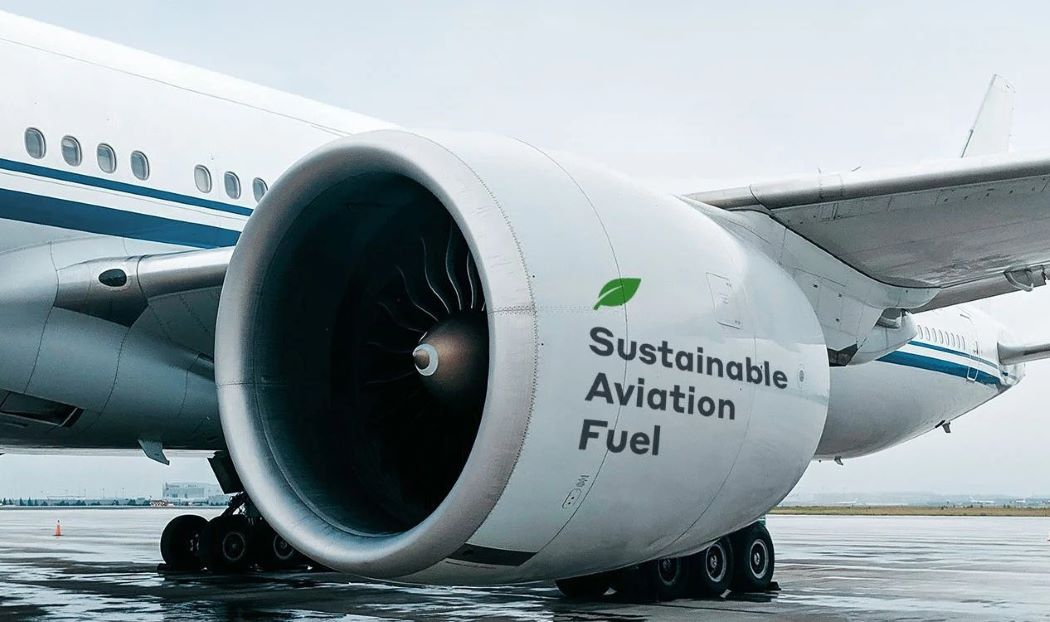
Sustainable aviation fuel is an alternative to conventional jet fuel that produces considerably less greenhouse gases than traditional supplies. Currently, it is considered one of the most promising options for decarbonising efforts within the aviation industry. However, production capabilities of this cleaner fuel are limited and it is a very expensive supply for airlines.
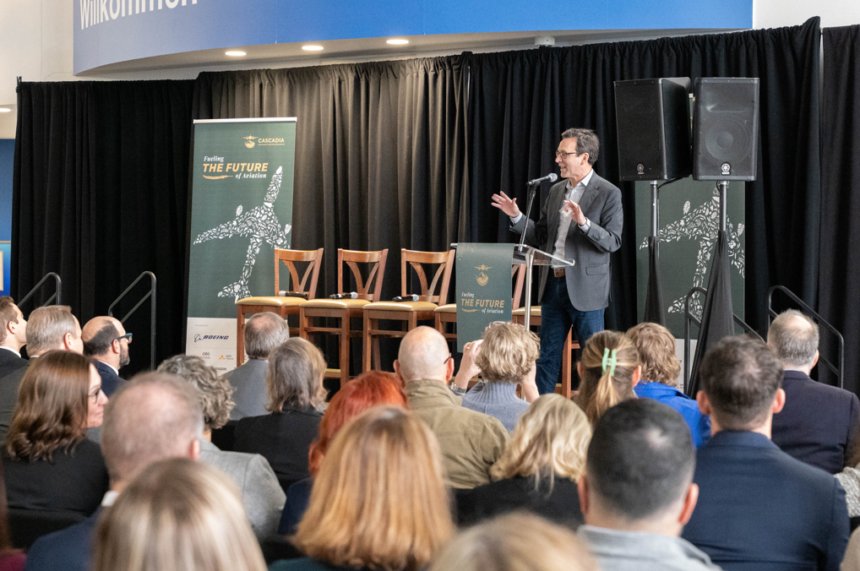
With this tax credit, Gov. Ferguson has said he hopes to support production of SAF in order to promote a more sustainable aviation industry. He said:
“Aerospace has long been a cornerstone of Washington’s economy, supporting generations of good-paying jobs and driving innovation across our state. It’s also in our DNA to make big bets on bold ideas, which is what we’re doing with sustainable aviation fuels. Between our long history of aviation innovation, our intentional investments into the sector and our climate-forward policies, we’re making sure Washington is the best state in the country to produce sustainable aviation fuels.”
This brings Washington to the forefront of the charge for increased production, and use, of sustainable aviation fuel with the strongest incentives in the United States. These incentives were triggered by Washington’s milestone achievement of clearing a production capability of twenty million galleons of SAF per year.
Washington Reaches Milestone SAF Production Capability
The introduction of this new tax credit has come alongside the announcement that Washington can officially produce over 20 million galleons of sustainable aviation fuel per year, a finding confirmed by the Department of Ecology.
Significant investments have been made by the state into sustainable fuel technology in recent years. Washington State University has become a leader in research into SAF production, and state funding helped SkyNRG’s new production facility in Walla Walla. SkyNRG sources and supplies sustainable aviation fuel.
State funding also helped form the Cascadia Sustainable Aviation Accelerator which is responsible for supporting producers of SAF and scaling production and deployment of the fuel. Jake Gentry, Executive Director, celebrated the announcement:
“The challenge has been making it affordable at commercial scale, and this credit goes a long way toward closing that cost gap. Washington state built the aviation industry, and this type of investment positions us to lead in the next chapter of sustainable aviation.”
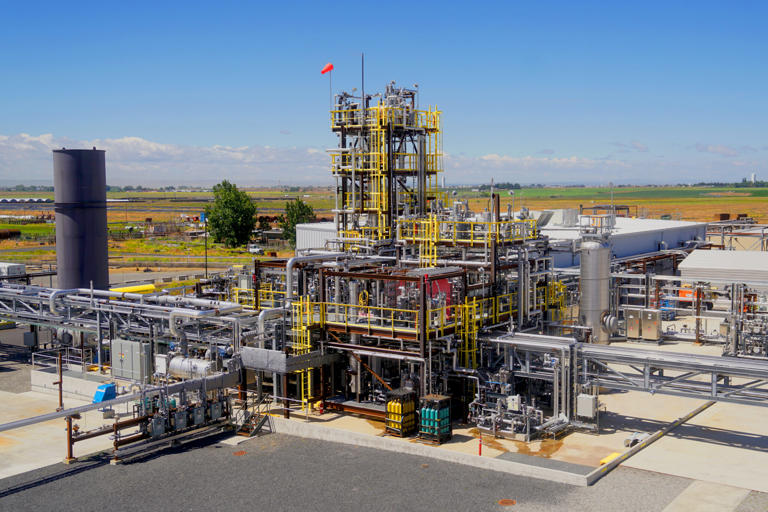
Another startup that has been helping Washington make such progress in the field is Twelve, a company producing SAF within Washington’s Moses City. The startup opened its AirPlant One facility last year and has a secondary site in development.
The technology it is using to produce SAF is particularly noteworthy because not only does it use only captured carbon dioxide and water to produce cleaner fuel, that fuel also produces 90% lower lifecycle emissions than conventional jet fuel.
What do you think of Washington’s incentives for sustainable aviation fuel production? Let us know in the comments below.