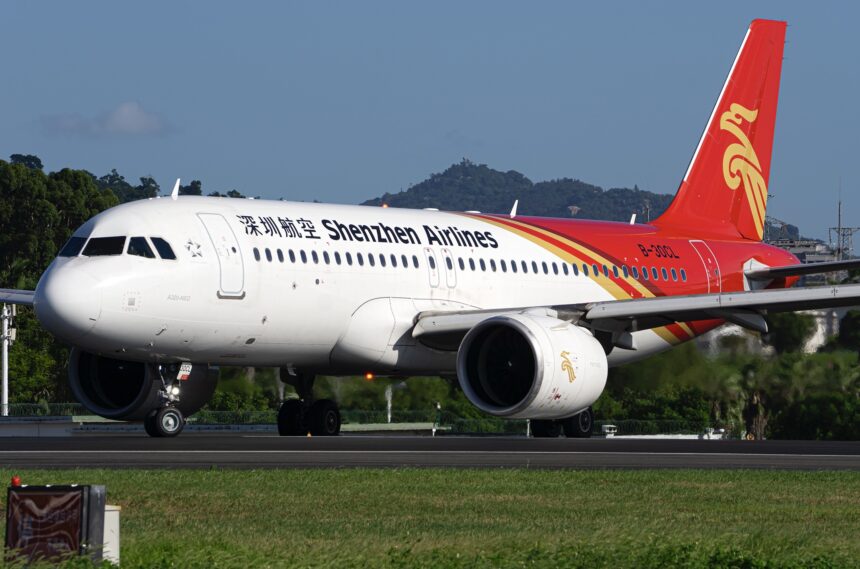
Shenzhen Airlines, a subsidiary of the Air China group, announced plans to increase seating density on seven Airbus A320neo jets. This will allow the airline to respond to rising demand in China’s domestic flight market without purchasing new aircraft. Specific seat counts for the newly arranged aircraft are currently unavailable; it is expected to bring Shenzhen’s A320neo aircraft close to their maximum capacity of 194 seats.
Why do Airlines Densify Seating?
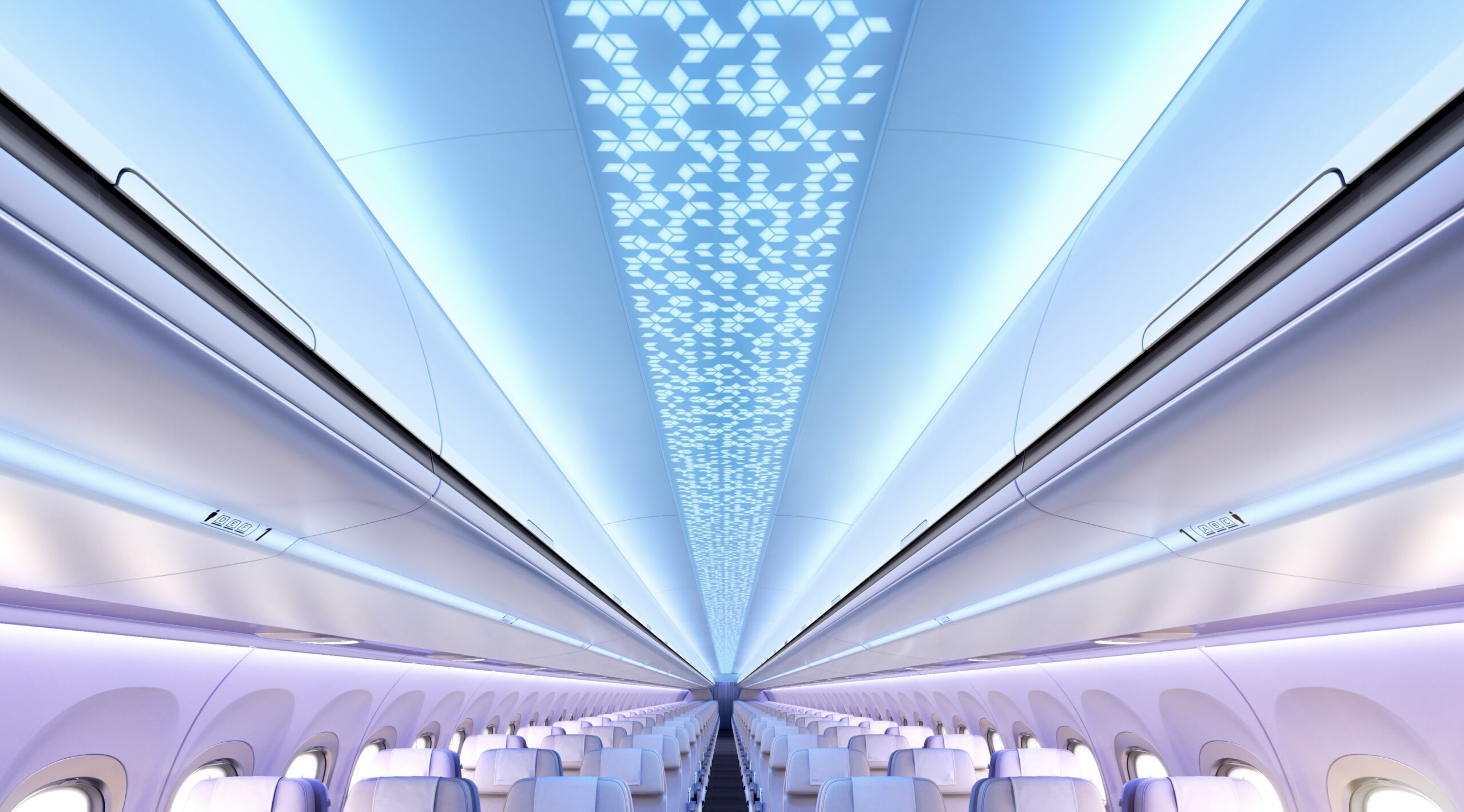
Denser seating lets airlines seat more travellers on a single flight and maximise revenue without buying extra airport slots or new aircraft.
This is particularly important in China’s highly regulated aviation market, where Shenzhen Airlines is already operating at its maximum legal slot capacity.
While Shenzhen passengers may benefit from lower fares, higher-density seating will inevitably reduce average legroom, likely disproportionately affecting those flying in the cheapest available seats.
Why does Shenzhen Want to Expand?
According to data from OAG Aviation, domestic flight capacity is roughly 6% higher this month than it was in August 2025.
Shenzhen itself is growing even faster, with a year-on-year growth rate of 14.4%. This would make Shenzhen the fastest-growing of China’s 10 largest airlines.
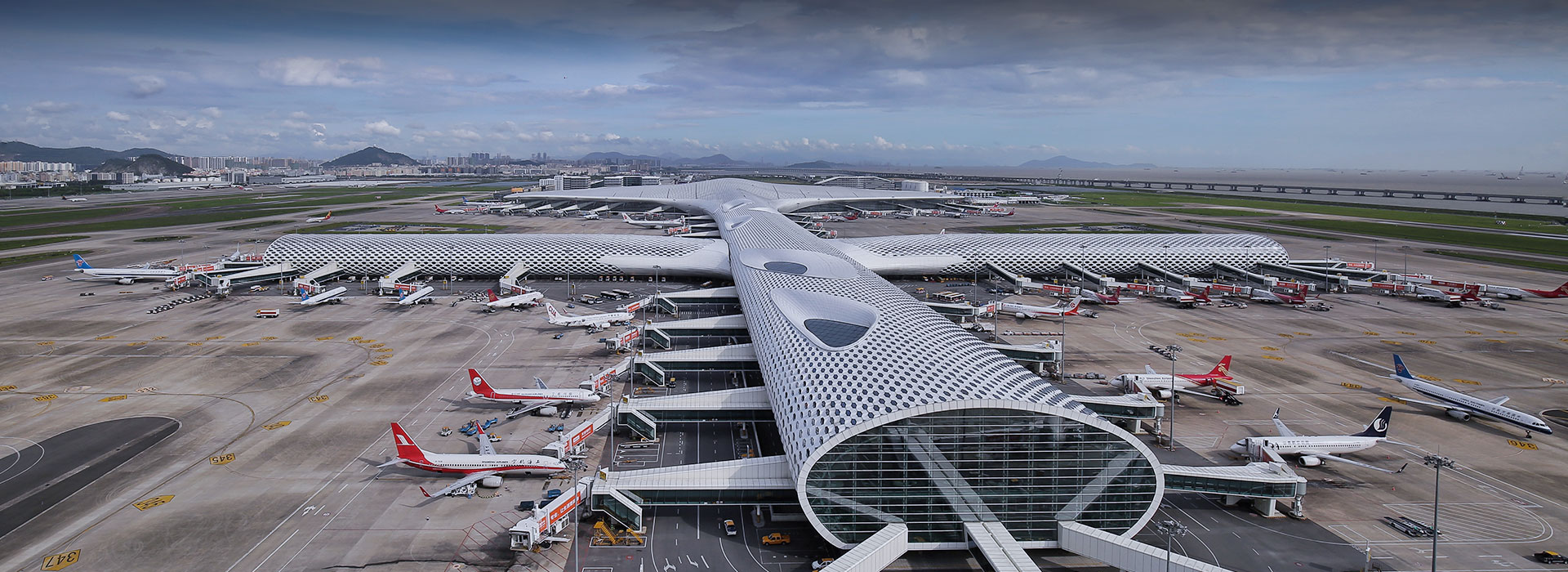
Expanding Shenzhen Airlines’ capacity will allow it to meet growing demand on its routes from SZX to both Beijing Capital International Airport (PEK) and Hangzhou Xiaoshan International Airport (HGH). These routes are likely to be price-sensitive leisure routes, where cheaper tickets would be most effective at raising revenue.
What Does This Mean For the Future?
The fact that Shenzhen is only densifying seating on seven of its operational fleet of 96 Airbus A320s, 46 of which are Airbus A320neos, suggests this is the beginning of a phased transition to higher-density seating.
If this initial densification proves commercially successful, a larger part of the fleet will likely be converted the same way.
While Airbus will experience a short-term revenue loss when airlines increase capacity by densifying seating rather than purchasing new aircraft, Shenzhen’s decision shows a long-term commitment to the A320neo.
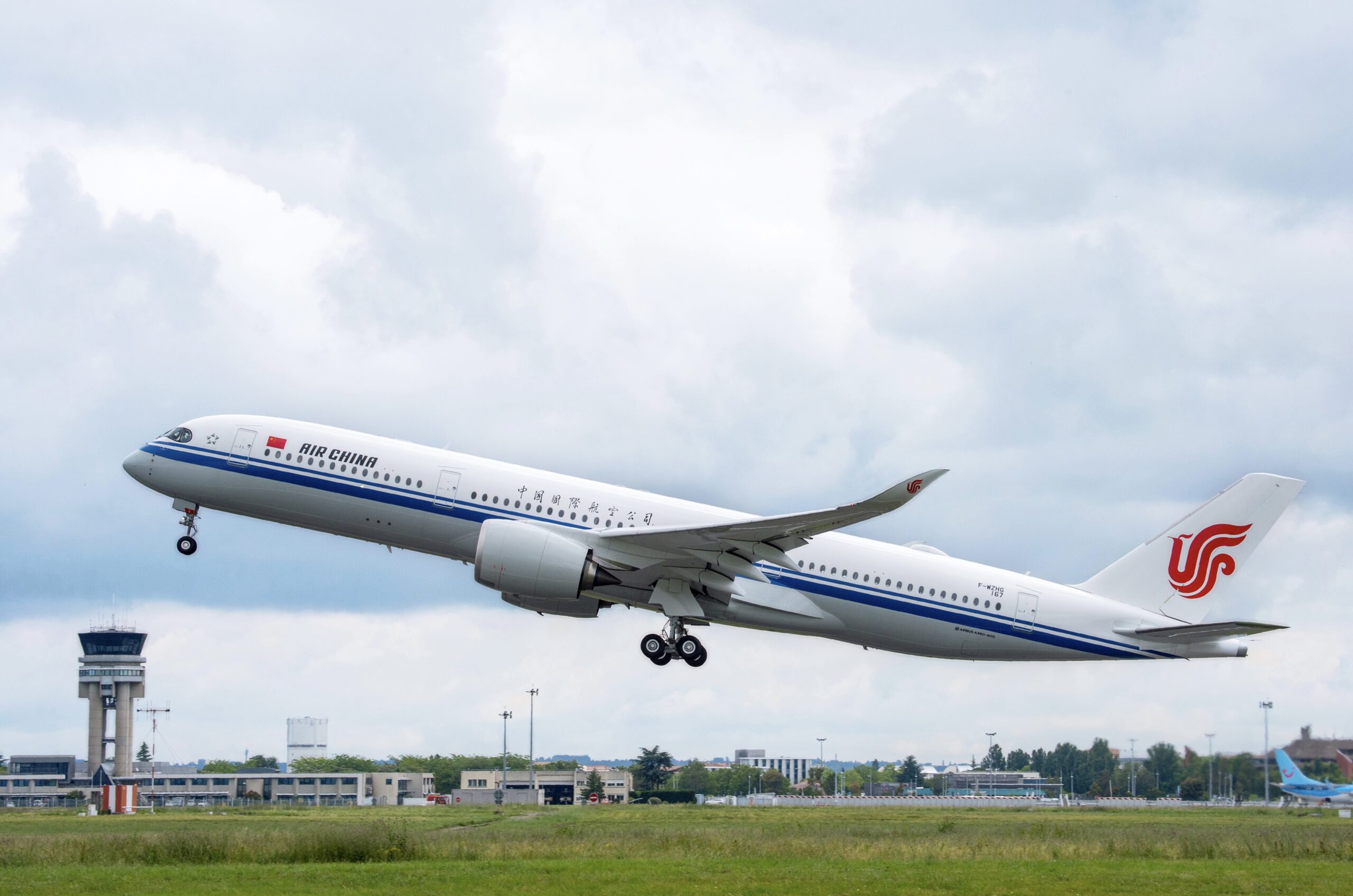
These relatively fuel-efficient models could replace older A320 jets if airlines like Shenzhen decide they offer lower fuel costs and higher seating density.
Have you flown with Shenzhen Airlines? Do you think about legroom when deciding who to fly with? Let us know in the comments.