

The Civil Aviation Authority of Thailand (CAAT) has begun accelerating its multi-layered strategy to establish the country as a key regional aviation hub. The initiative includes major infrastructure developments and upgrades in maintenance service and air freight points.
Growth and Development Initiative
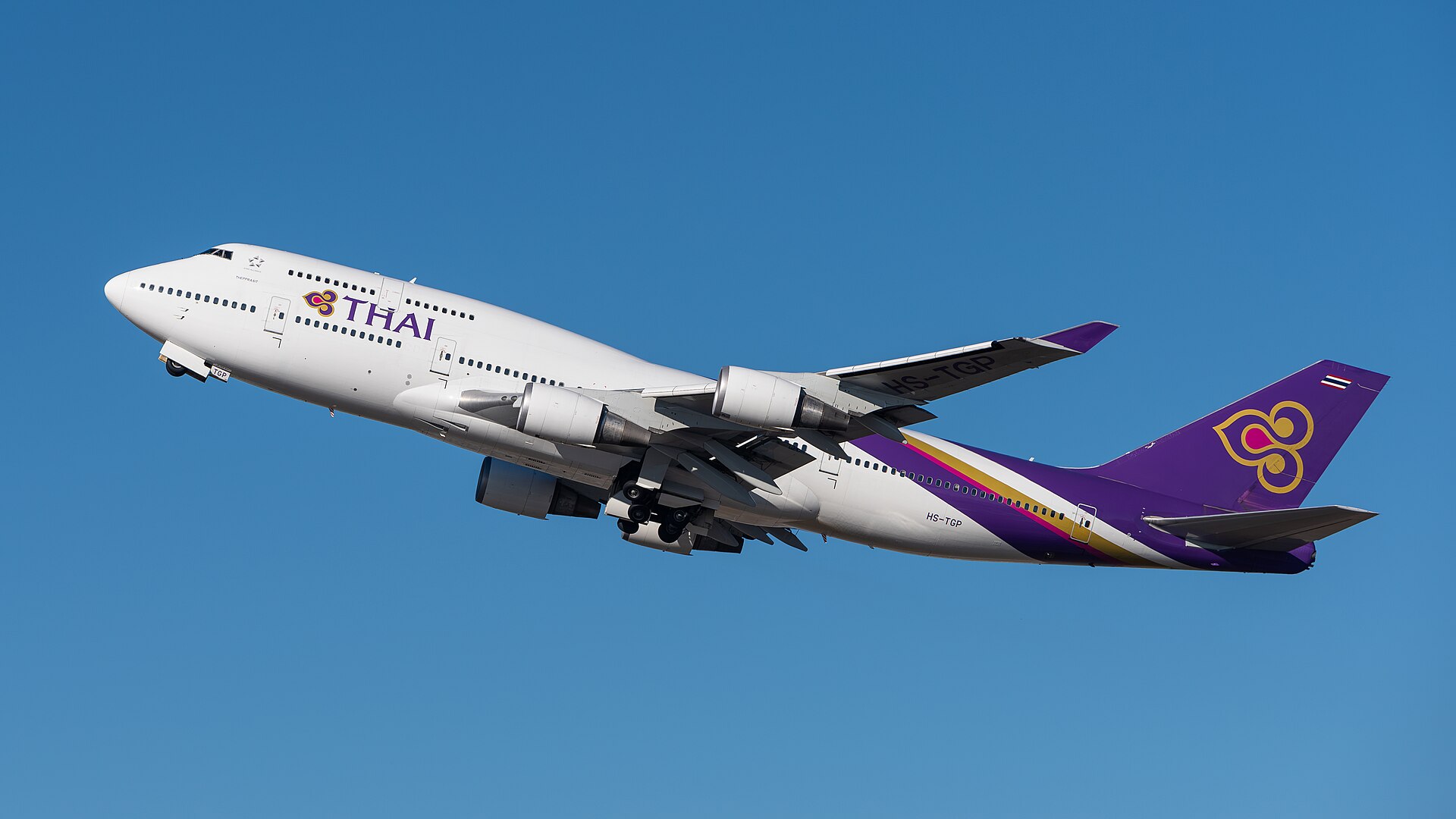
Thailand takes a significant step in the aerospace sector as its aviation authority propels a strategic growth and development initiative aimed at establishing the country as a key regional aviation hub. It was announced at a press conference on July 14, by the director general of CAAT, Air Chief Marshal Manat Chavanaprayoon. In a talk at the conference, the director general unveiled the dual-aspect policy framework, asserting that the initiative was designed to enhance Thailand’s long-term competitiveness in the industry and affirm its place at the forefront of the regional aviation industry. It anchors on two key developments, including the establishment of a world-class Maintenance, Repair, and Overhaul (MRO) hub, as well as a comprehensive structural reform of the national air cargo transport network.
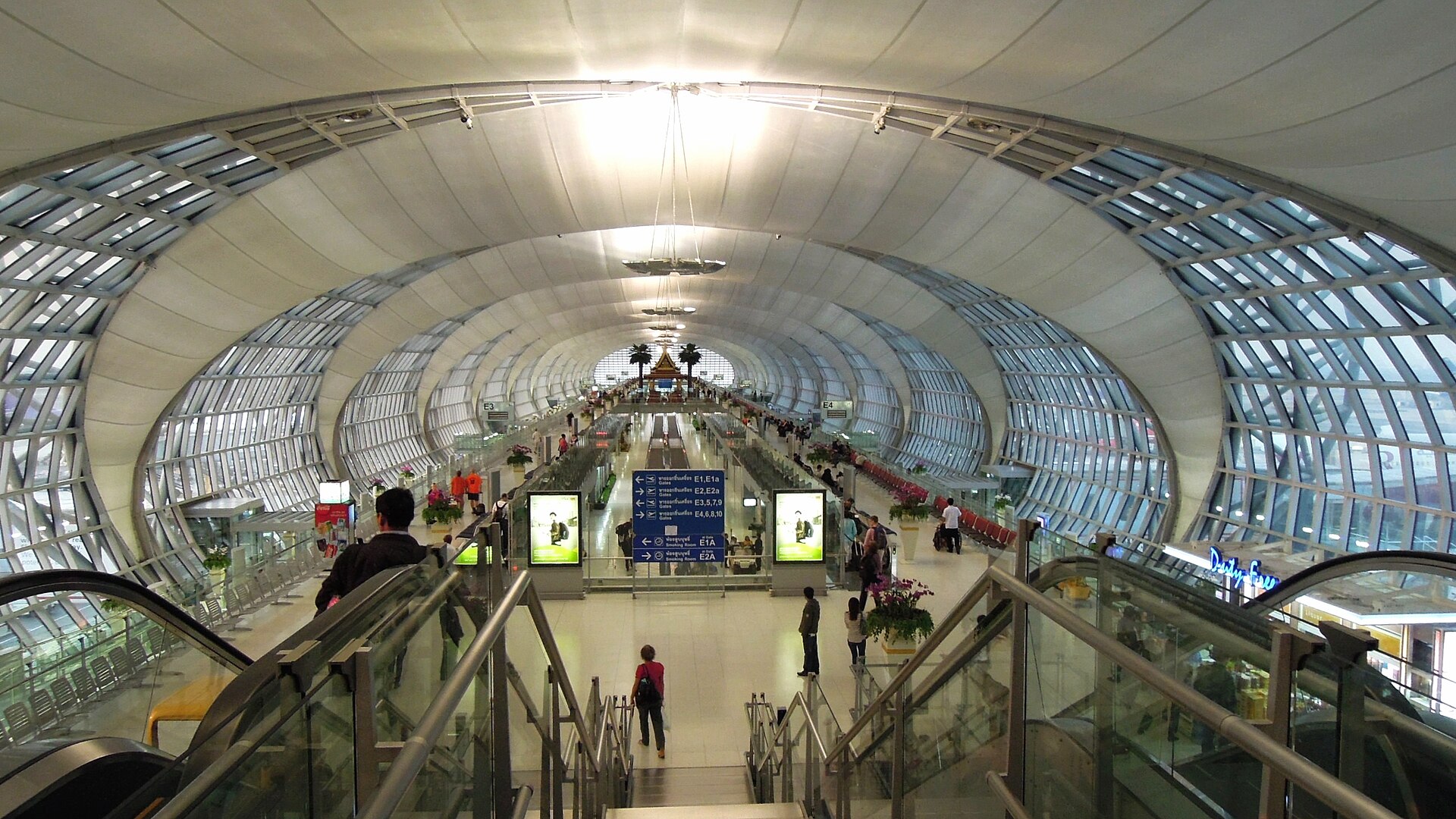
Having already been formalised within the masterplan of Airports of Thailand (AOT), the MRO development will span designated northern and southern zones at Suvarnabhumi Airport (BKK) Thailand’s main international gateway located near Bangkok. The airport serves as a major hub for both domestic and international flights. This aspect of the initiative aims to attract high-value direct investment from foreign sources, all the while allowing local and international airlines to significantly lower their structural maintenance costs.
Following a surge in cargo volumes at Suvarnabhumi Airport, CAAT has also targeted logistical struggles with cargo shipments in this initiative. Attempting to implement changes that ensure the freight process and general aviation based trade can function in the most streamlined way possible, the regulatory body has begun preparing to fast-track customs and clearance protocols for shipments arriving from trusted, verified origins. In this aspect of the initiative, a logistical overhaul is applied to specifically prioritise the market for high-value components such as advanced electronics, which is a lucrative branch of the transport market.
Thailand’s Aviation Industry
Thailand’s strategic push within the aviation sector coincides with the wider industry facing severe operational strain. In fact, the CAAT confirmed that, as global aviation industry struggles against rising prices and shortage of fuel, Thailand’s aviation recovery will similarly take a hit, as it is predicted to lag behind its original 2026 pre-pandemic baseline target. Air Chief Marshal Manat Chavanaprayoon highlighted this at the conference, citing the ongoing conflict in West Asia as a key contributing factor, stating,
“The war has disrupted initial recovery models that anticipated a return to pre-Covid 2019 levels by 2026.”
The director general also cited the global energy crisis and volatile fuel markets as a significant contributors to this delayed improvement.
Despite an encouraging rebound in passenger volumes during Thailand’s peak travel season, CAAT officials warned that the sector remains vulnerable, with sustained fuel price volatility being the primary systemic risk to stability. Hoping to combat this as much as possible, CAAT is implementing a combination of immediate cost-relief interventions and long-term policies that aim to act as a buffer for domestic operators. In the short term, landing, parking, and air navigation fees are to be cut as the regulator coordinates with allied state agencies, which aim to alleviate strain on carriers and prevent rapid hiking of public airfares.
While accelerating the implementation of this aviation boost initiative, CAAT is also preparing to make history by being the first Asian country to host ICAO Second Advanced Air Mobility Symposium (AAM 2026) conference, a global future-aircraft forum.
What do you think about the CAAT’s initiative? Let us know in the comments.