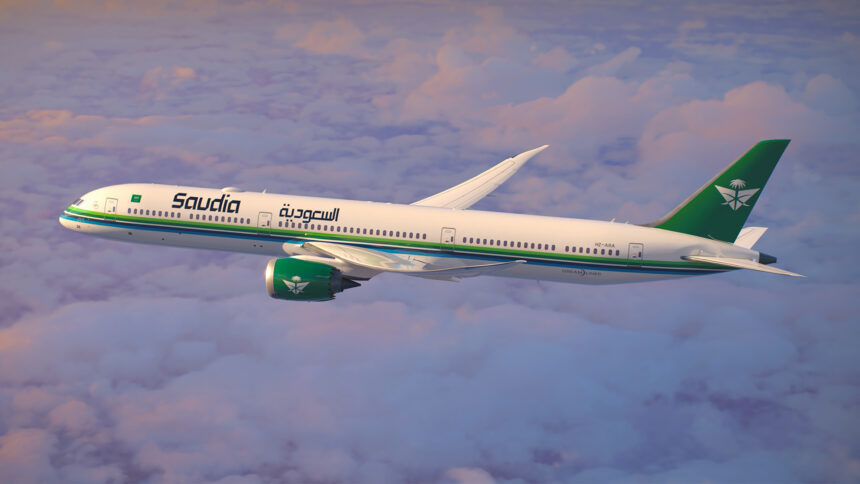
The vice president for human resources at Saudia Airlines has won the International Air Transport Association’s (IATA) Inspirational Role Model award at the IATA Diversity and Inclusion Awards. Rania Alturki was commended for her role in increasing the proportion of women in Saudia’s workforce to 25%. This is despite working for the flag carrier airline of the Kingdom of Saudi Arabia, which continues to enforce laws limiting women’s rights.
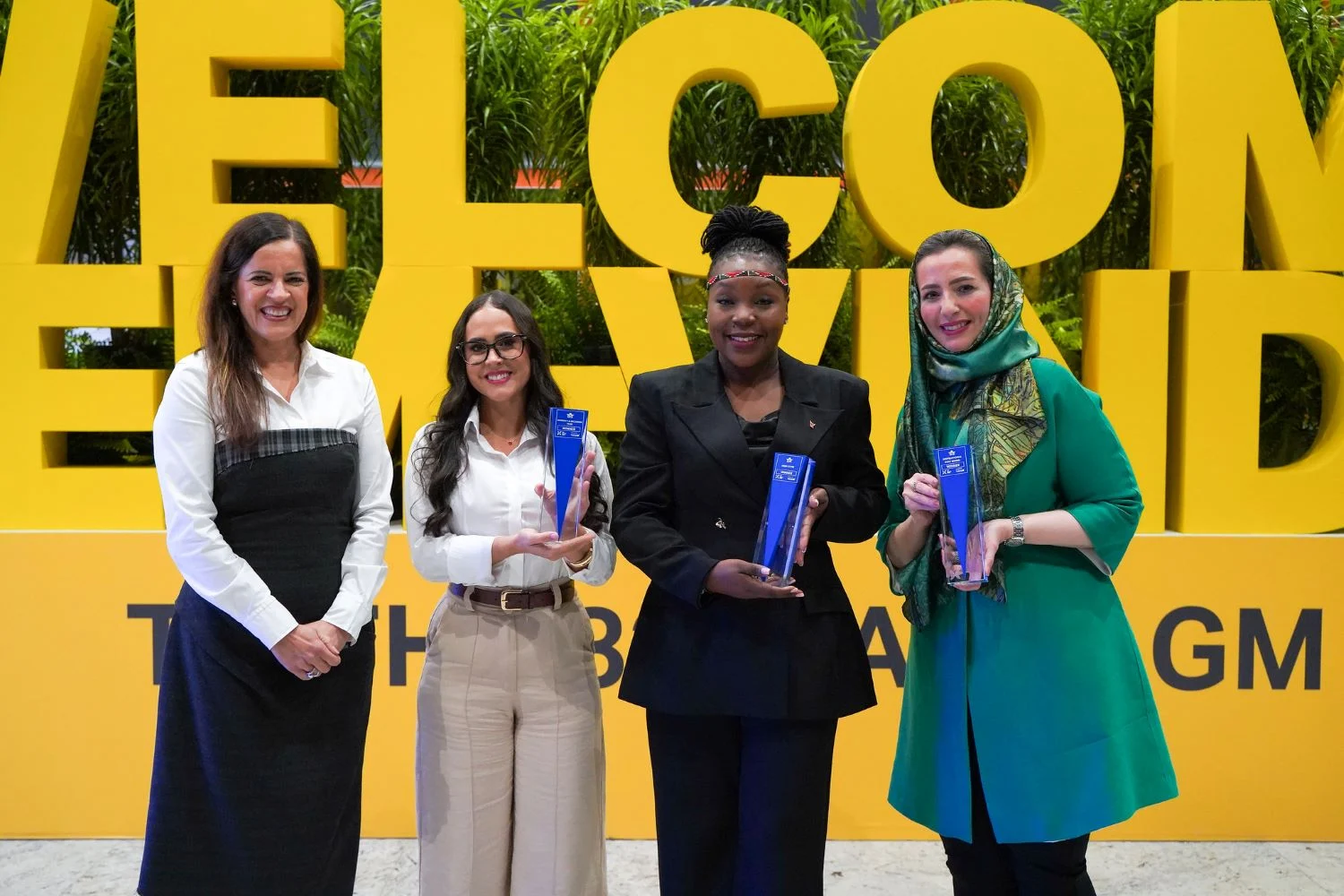
IATA Announce Award Winners
The Inspirational Role Model award was one of three Diversity & Inclusion awards handed out at IATA’s Annual General Meeting in Rio de Janeiro.
Fiona Omondi, chief strategy officer at Tradewinds Aviation Services and co-founder of Women in Aviation International Kenya, was presented with the High Flier award. This was in recognition of Omondi’s work to raise awareness of job opportunities in aviation among young people, as well as her mentoring role in various outreach initiatives.
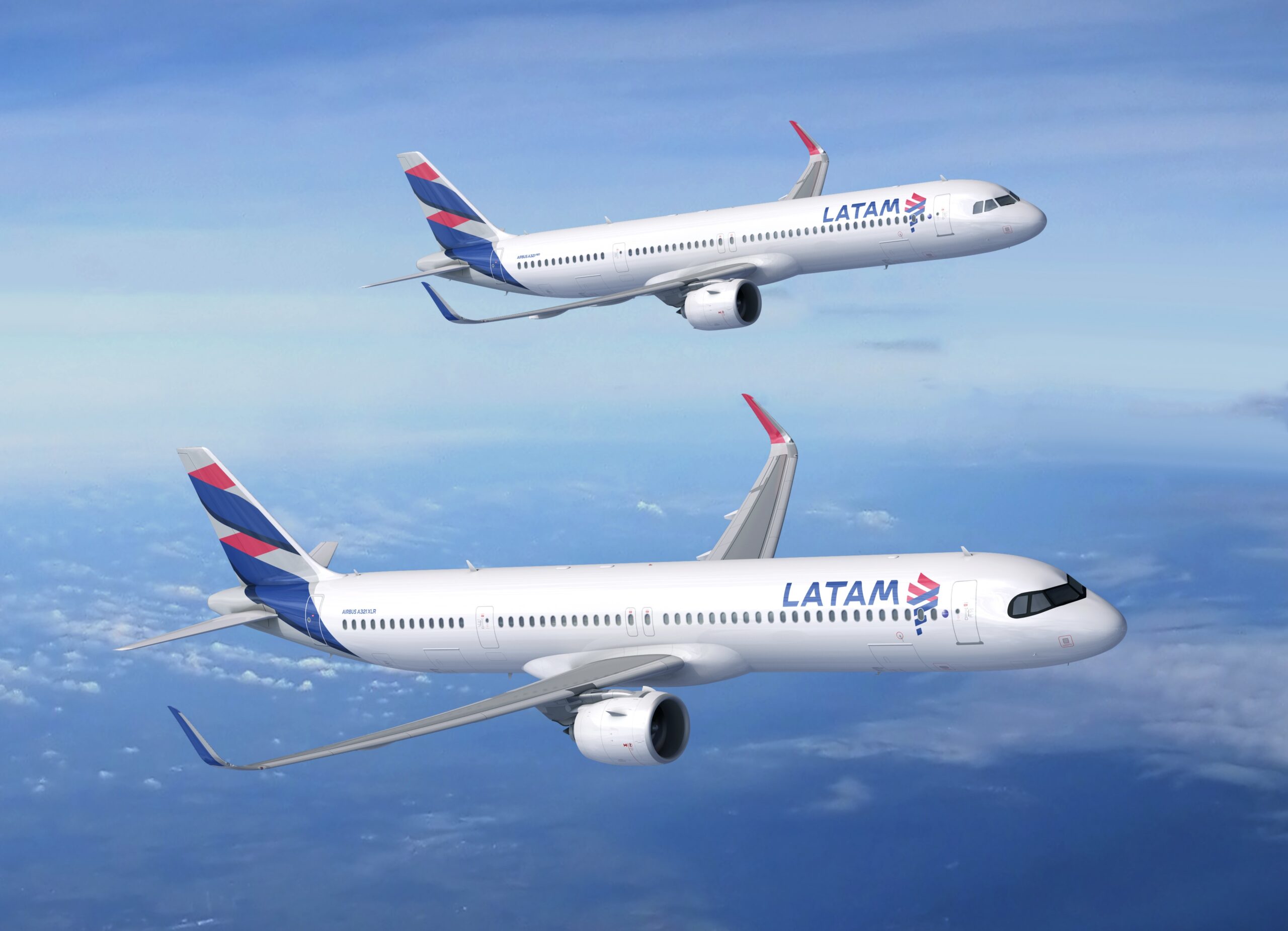
The Diversity & Inclusion Team Award was given to the multinational South American airline, LATAM Airlines Group. The number of women working in maintenance technician roles at LATAM has risen from 111 in 2021 to 539 by December 2025.
How Are the Award Winners Determined?
The Diversity & Inclusion Awards “recognise individuals, organisations, and initiatives that have made significant contributions to promoting and advancing diversity and inclusion within the aviation industry”, according to IATA.
This year’s winners were selected by a panel consisting of the editor-in-chief of Air Transport World, Karen Walker, and last year’s three award winners: Claudia Zapata-Cardone, president of Latin Professionals in Aerospace; Katherine Moloney, founder of Elevate (her) Aviation; and Christianna Scott, director of Diversity, Equity & Inclusion at Air Canada.
Criticism of the Awards
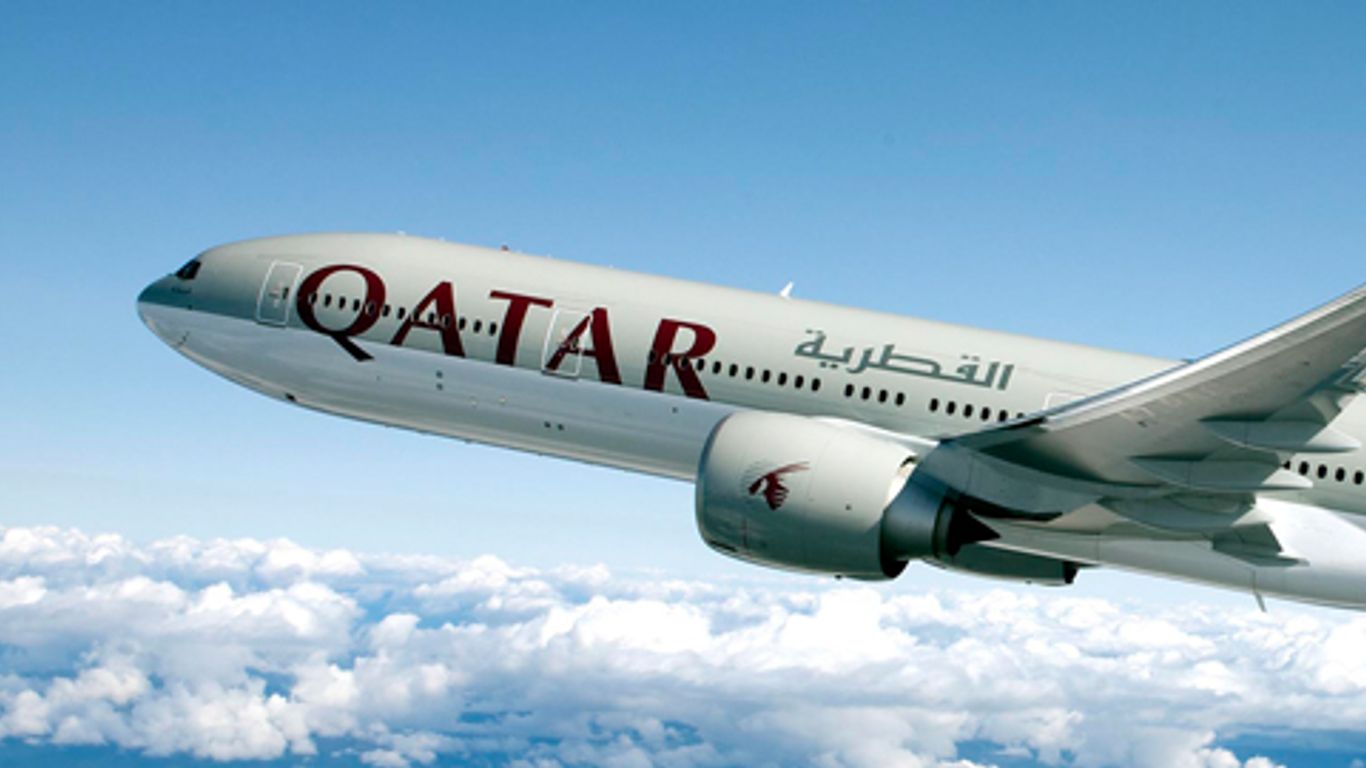
This year’s Diversity & Inclusion Awards were sponsored by Qatar Airways, which is owned by the State of Qatar.
Both Qatar and Saudi Arabia, who provide preferential treatment to Saudia Airlines as the state’s nominated flag carrier (similar to British Airways in the UK), enforce versions of male guardianship laws. Under these laws women must request permission from their official “male guardian” in order to get a job or travel internationally.
Promoting the flag carrier airlines of both these nations may be seen as undermining the inclusive principles of the awards.
Qatar Airways has also previously been criticised for their treatment of pilots who raised concerns over their working conditions.
Should we be celebrating these award winners? How far do you think the aviation industry has to go to achieve true equality? Let us know what you think below.