
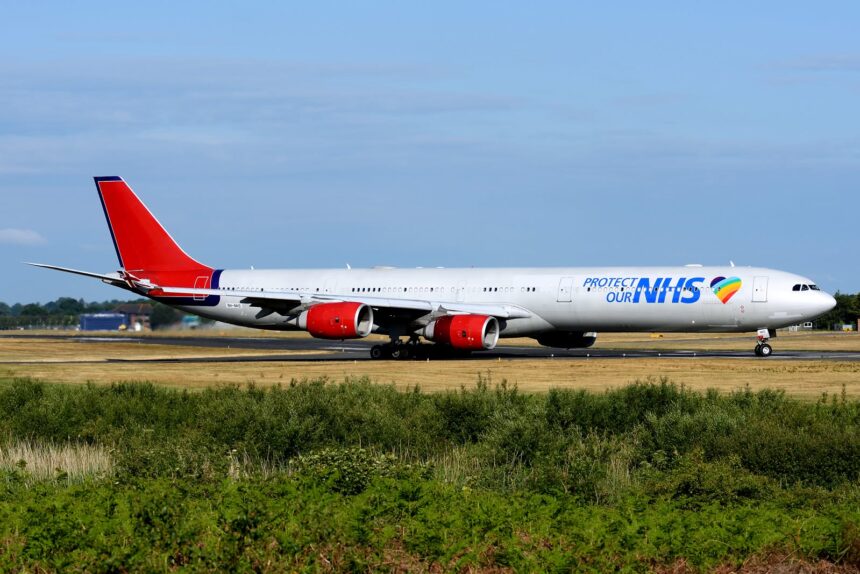
European Cargo Ltd. has ceased operations, leaving 178 employees raising questions about its financial stability and the further impact on Bournemouth Airport (BOH). The freight airline cites reduced flight activity and surging fuel prices as key factors that have squeezed the company’s financial foundation to the point of defeat. However, company filings suggest its financial struggles may have predated these challenges.

Unsustainable Finances
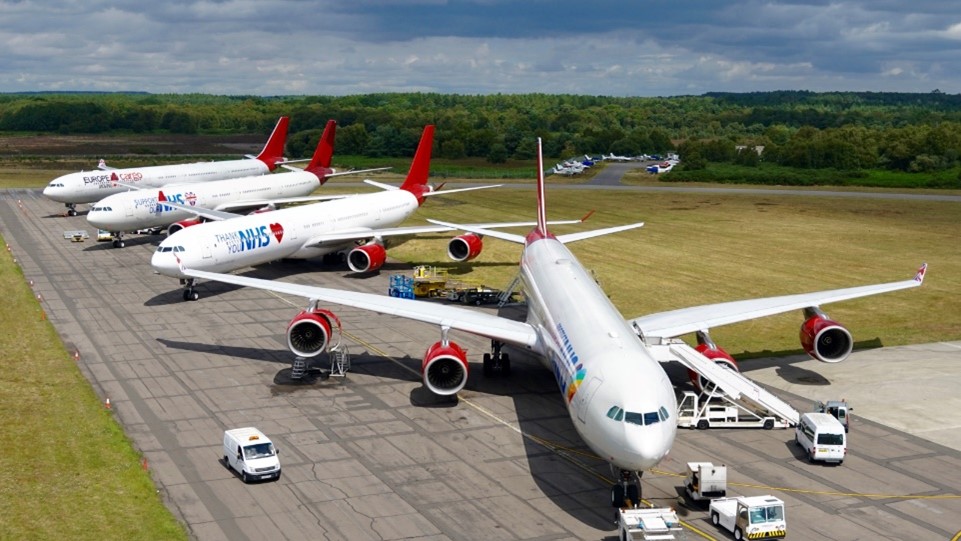
The innovative Bournemouth-based freight airline entered administration in early June 2026. European Cargo Ltd. began permanent freight operations in 2022 after initially supporting the UK’s National Health Service by transporting personal protective equipment and COVID-19 test kits from Malaysia.
Following the appointment of administrators, the airline ceased operations, with nearly 200 jobs lost. Financial accounts published for 2024 and the previous year reveal the company had already been posting multi-million-pound pre-tax losses, raising questions about whether it was merely rising fuel costs that triggered its collapse.
Despite these reported struggles, the airline continued to expand. It launched flights from Teesside International Airport (MME) in March 2026, just three months prior to its collapse.
The expansion raises concerns about management decisions, particularly given the impact on employees and key UK trade routes. Ongoing geopolitical tensions in the Middle East, including instability around the Strait of Hormuz, have contributed to higher fuel prices – a factor the company cited in its closure.
However, financial filings indicate the airline may have faced longer-term challenges in reaching profitability. In 2024, despite significant losses, the company said it was carrying out a review to ensure financial viability and concluded that it was breaking even.
European Cargo operated on four-engine aircraft that are generally less cost-efficient and fuel-efficient, while many other competitor freight companies utilise the more efficient twin-engine jets. Therefore, the mounting pressure of fuel prices, paired with exhaustive four-engine models, was difficult to maintain.
Response to European Cargo Ltd. Closure
A company spokesperson told the BBC that affected workers are being treated as a priority and will receive support, adding that administrators will maintain communication with key stakeholders. Despite job losses and reduced UK-China freight capacity, the wider economic impact is expected at this stage to remain largely localised.
Local MP Tom Hayes has stated:
“I’m also concerned that the collapse could affect cargo operations at Bournemouth Airport, and I’m exploring ways to support staff, supply chains, and our local cargo hub.”
Impact on Bournemouth Airport
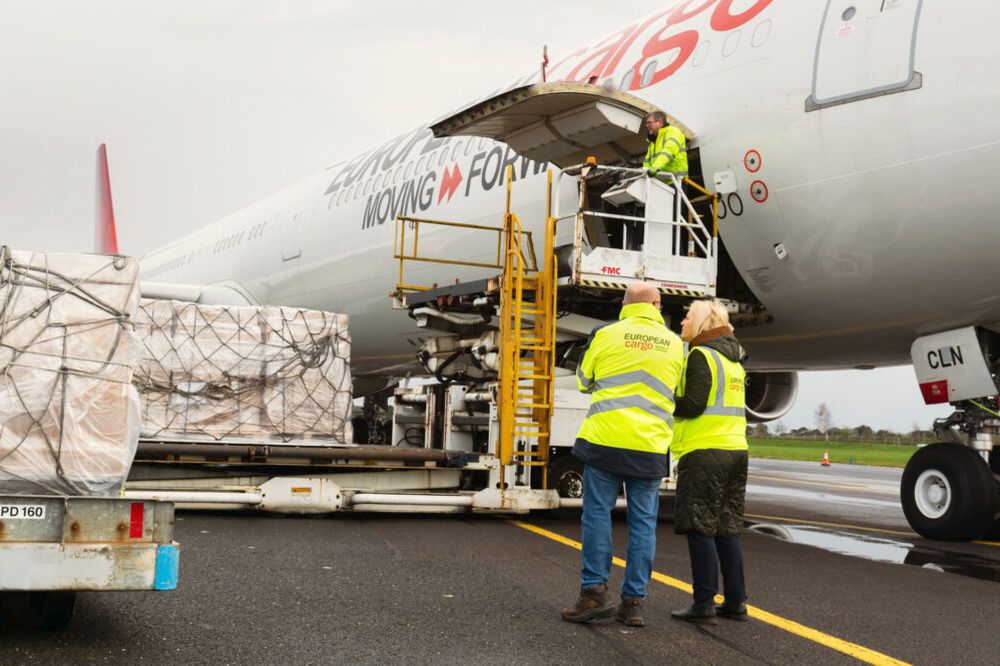
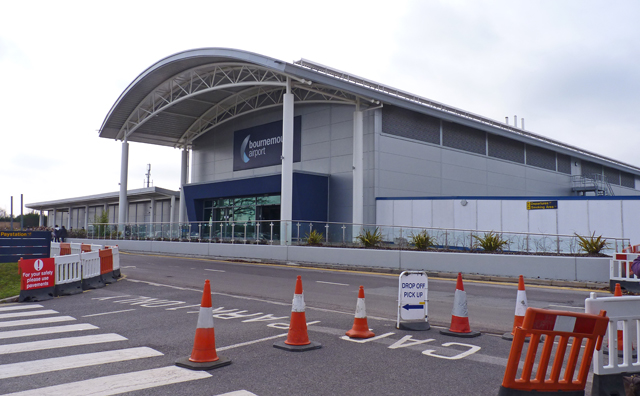
Bournemouth Airport (BOH) is likely to feel the most immediate impact. Aviation analyst Tomos Shah-Howells from Aviation Source described the European Cargo collapse as “a real sucker punch”, citing significant investment in European Cargo’s operations and its role in the airport’s expansion plans.
Bournemouth had also recently been labelled as a more cost-effective hub compared to other UK airports.
Impact on Global Freight Market
The closure could also shift dynamics in the UK’s air freight sector. With fewer domestic options for UK-China cargo routes, some freight may move to Chinese state-backed airlines, potentially increasing their market share.
Freight traffic may also be redirected to alternative hubs, including Glasgow Prestwick Airport (PIK), which has been growing as a centre for e-commerce and East Asia freight operations.
Further details are expected regarding the final number of job losses due to European Cargo Ltd.’s closure, as well as the financial impact on investors, Bournemouth Airport and the wider freight sector.
Who do you think will fill the gap in the freight market? Share your opinion in the comments.