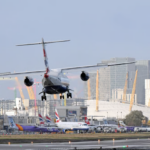
Russia has announced a temporary ban on aviation fuel exports, marking the first time the country has imposed such a restriction on jet fuel shipments abroad.
The measure, which came into effect on 1, June, will remain in place until 30, November 2026. Russian authorities say the move is intended to stabilise the domestic fuel market and ensure sufficient supplies for airlines and consumers within the country.

Domestic Supply Concerns Drive Decision
The export ban comes as Russia’s energy infrastructure continues to face disruption from Ukrainian drone strikes targeting refineries and fuel facilities. According to Reuters, Russia’s refining sector has faced ongoing disruption following Ukrainian drone attacks on energy infrastructure, with some refineries reducing output or temporarily suspending operations.
In a statement, the Russian government said the decision was taken to maintain stability in the domestic fuel market amid ongoing supply pressures.
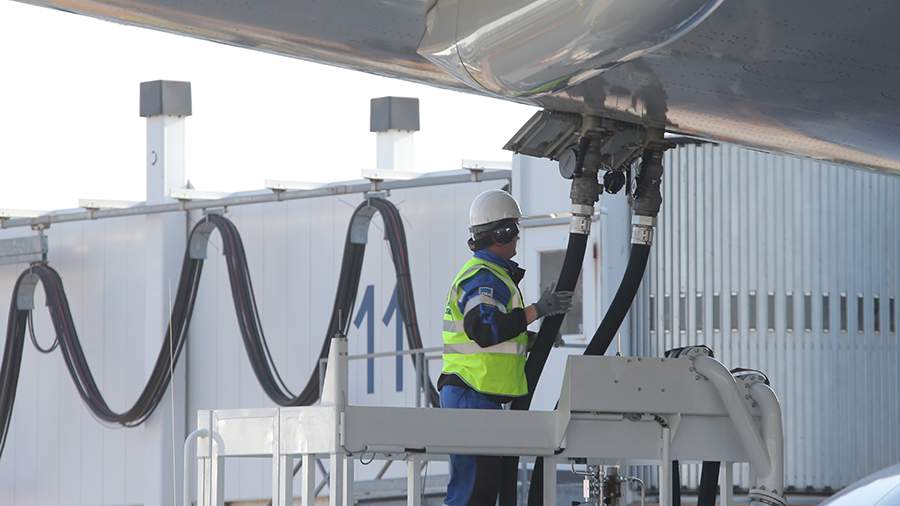
Impact on Regional Aviation Markets
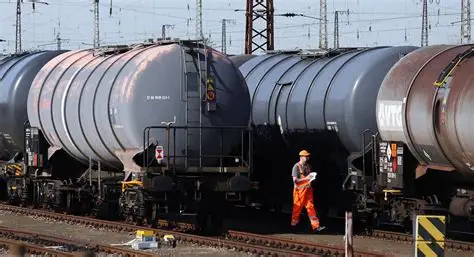
Russia is a significant supplier of jet fuel to several Central Asian nations, including Kazakhstan, Kyrgyzstan, Tajikistan and Uzbekistan, with most exports transported by rail. The ban could force affected countries and airlines to seek alternative fuel sources during the busy summer travel season.
While exemptions reportedly exist for certain shipments covered by intergovernmental agreements, the restriction is expected to reduce the volume of Russian jet fuel available on international markets.
Jet fuel is one of the largest operating costs for airlines, and any reduction in global supply can place upward pressure on fuel prices. Although the immediate impact on airline operations remains uncertain, industry observers will be watching closely to see whether the export ban contributes to higher fuel costs in regions that have traditionally relied on Russian supplies.
The development follows previous Russian restrictions on fuel exports, including measures affecting gasoline exports earlier this year, as Moscow seeks to prioritise domestic energy security amid ongoing pressures on its refining sector.
As the ban remains in force until the end of November, airlines, fuel suppliers and governments across Central Asia and beyond will be monitoring the situation closely for any knock-on effects on fuel availability and pricing.
What do you think about Russia’s aviation fuel export ban? Could it have an impact on airline ticket prices and travel across the region? Let us know your thoughts in the comments below.