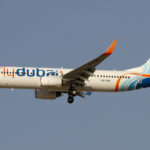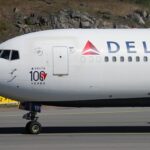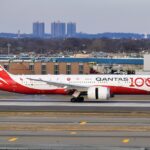
Airlines are increasingly treating fuel price volatility and supply uncertainty as a major operational risk, as geopolitical tensions and fluctuating oil markets continue to affect jet fuel costs. Fuel typically accounts for around a quarter of airline operating expenses, making it one of the sector’s most significant cost drivers, which is why airlines are taking precautions to combat fuel price volatility.
Hedging Against Price Swings and Adjusting Routes
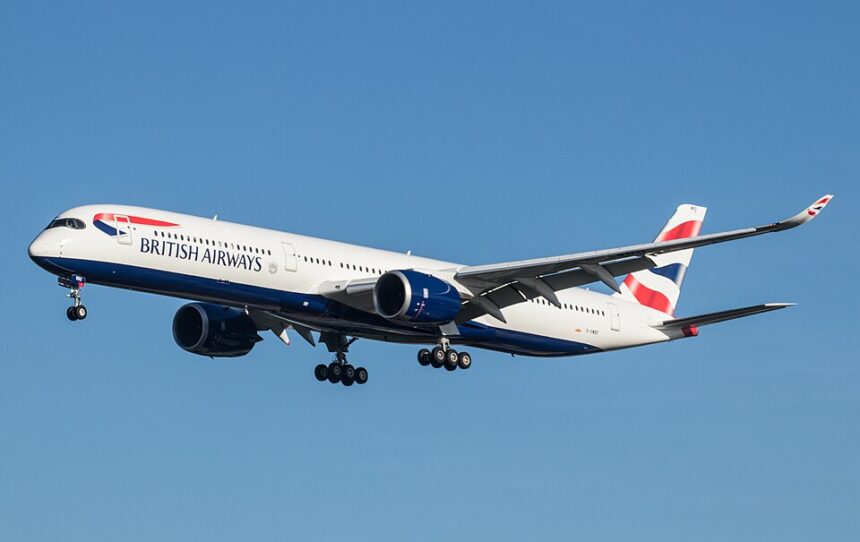
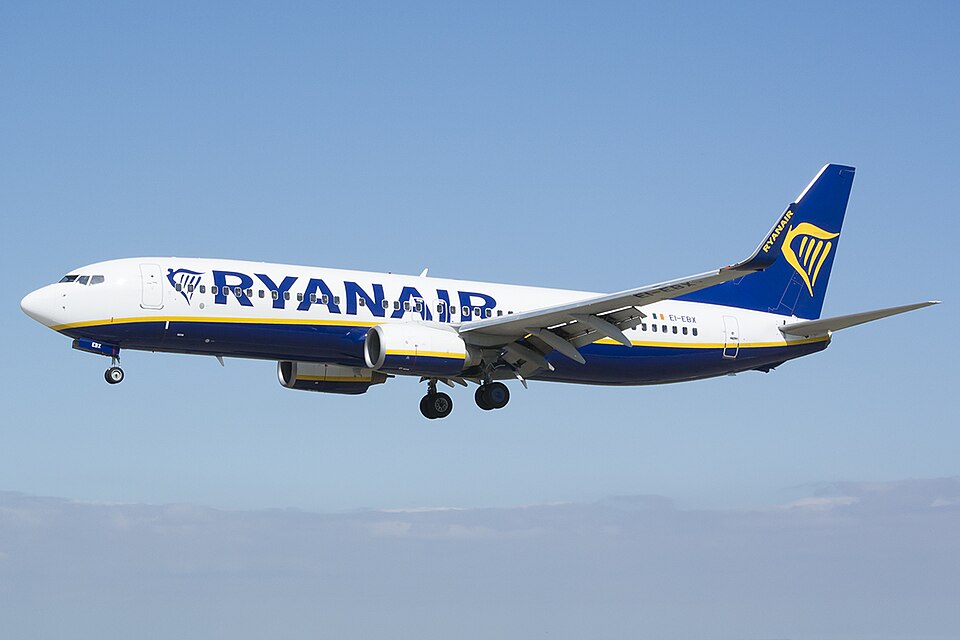
Airlines, including Ryanair, British Airways, EasyJet, and Air France, use fuel hedging, a financial strategy that involves locking in future fuel prices through contracts. This approach helps stabilise costs and improve financial planning, though it can limit potential savings if market prices fall. Major airline groups, such as the Lufthansa Group, often employ multi-year hedging strategies to reduce exposure to sudden price spikes.
When fuel prices increase, airlines frequently reassess their route networks. Less profitable services may be reduced or cut, while higher-demand routes are prioritised where fare revenue can offset rising costs. These adjustments often need to happen quickly, as sudden fuel price shocks can force more immediate capacity changes than gradual market fluctuations.
Financial Pressure and Investing in Efficiency
Airlines are also investing in newer, more fuel-efficient aircraft to reduce long-term dependence on volatile fuel markets. Fleet modernisation lowers operating costs and emissions, with over 80% of global airlines now investing in sustainable aviation fuel (SAF), though supply remains limited, according to The World Economic Forum.
Fuel volatility can quickly affect airline profitability, particularly for carriers with limited hedging or weaker financial positions. According to the analyst John Strikeland, who spoke with the Financial Times:
“Jet fuel pricing has always been intermittent, but I don’t think in my time there has ever been the question of shortages.”
With fuel markets expected to remain unpredictable, airlines are combining short-term hedging with long-term efficiency strategies. However, despite these strategies, 2 million airline seats have been cut from this month’s schedules as airlines redraw their operations due to soaring jet fuel prices, according to The Guardian. While these measures help manage risk, fuel remains one of the most influential costs in global aviation.
What do you think about the measures airlines are taking to combat rising fuel costs? Let us know in the comments below.