Major Asian carriers are reporting a sharp rise in demand on Europe-bound routes as travellers avoid disrupted Middle Eastern hubs, signalling a potential long-term shift in global air traffic patterns.
Demand Shifts Away From Gulf Hubs
Airlines, including Cathay Pacific, Singapore Airlines, Korean Air and Qantas, have all recorded strong performance in Europe in March. This comes despite rising operational costs, including a sharp increase in jet fuel prices.
Cathay Pacific said it had added flights between Hong Kong (HKG) and London Heathrow (LHR), as well as other European routes, to meet demand.
“We have mounted additional flights and capacity to Europe in March and April to cater for an upsurge in market demand,” said Lavinia Lau, the airline’s chief customer and commercial officer.
The surge follows reduced capacity at Gulf hubs such as Dubai (DXB), Doha (DOH), and Abu Dhabi (AUH), which are traditionally key transit points between Europe and Asia-Pacific.
Analysts say displaced passengers are increasingly choosing routings via Asian hubs, including Singapore (SIN), Hong Kong (HKG) and Seoul (ICN), according to Reuters.
Bank of America analysts noted the trend could persist. Citing forward booking trends and continued traveller caution, they said:
“Tight pricing and share gains on Asia-Europe routes could persist for 6–12 months even after the end of the war.”
Load Factors Climb Amid Capacity Gaps
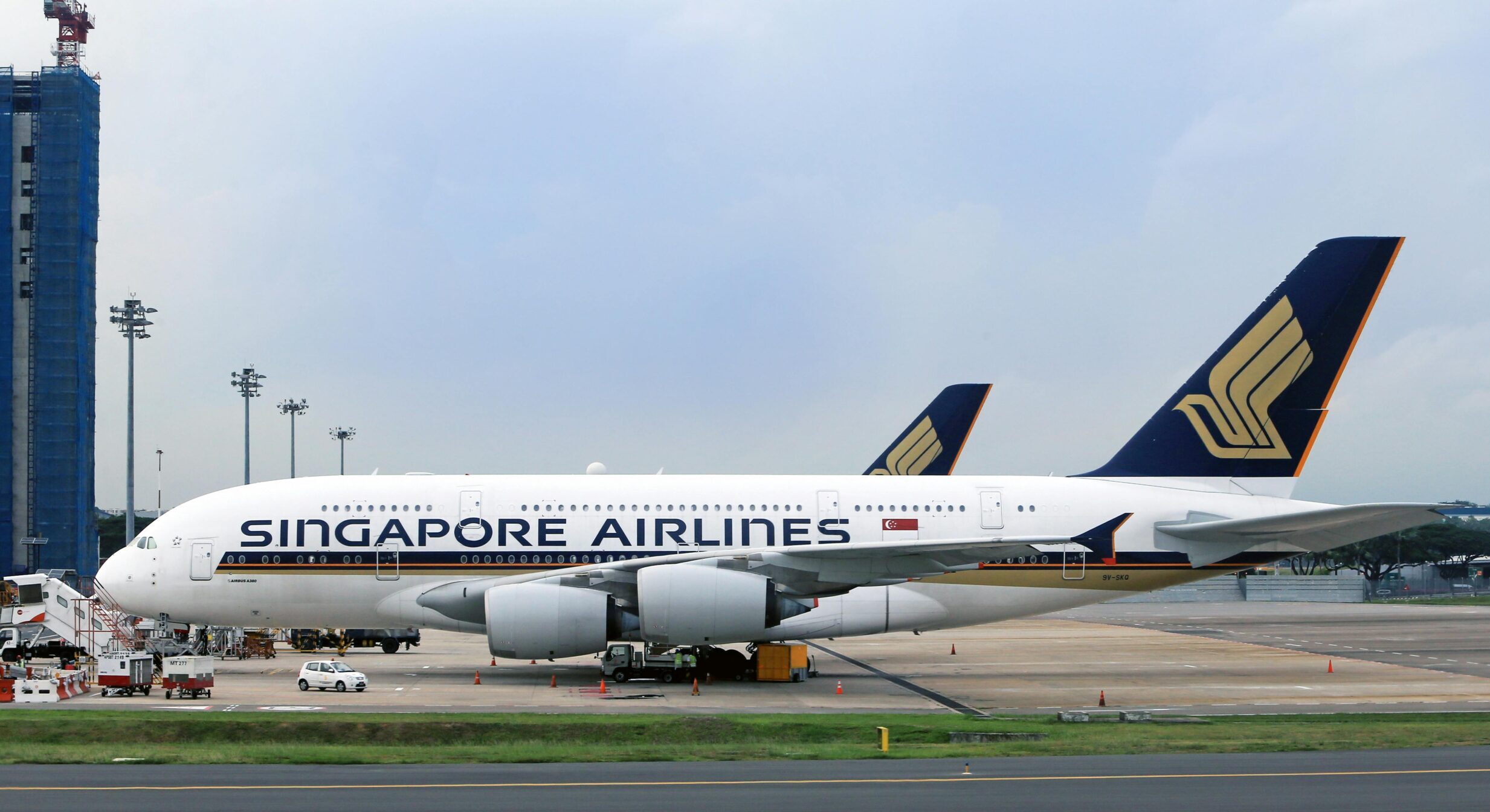
Singapore Airlines reported its Europe load factor climbed to 93.5% in March, up from 79.7% a year earlier, marking its strongest regional growth.
Airlines are adjusting networks to capture the shift. Korean Air reported a 47.3% rise in quarterly operating income, supported by an 18% increase in European passenger revenue on routes such as Seoul (ICN)–Paris (CDG) and Seoul (ICN)–Frankfurt (FRA).
Qantas has redeployed aircraft to expand services from Sydney (SYD) and Perth (PER) to European destinations, including Paris (CDG) and Rome (FCO).
“Qantas continues to see strong demand for international travel to Europe as customers seek alternative routes,” the airline said.
Meanwhile, Airservices Australia reported traffic between Australia and the Middle East fell 77% year-on-year in March, with passengers shifting to Asian transit points.
Have you changed your flight route recently due to safety concerns or disruptions? Share your experience in the comments below.